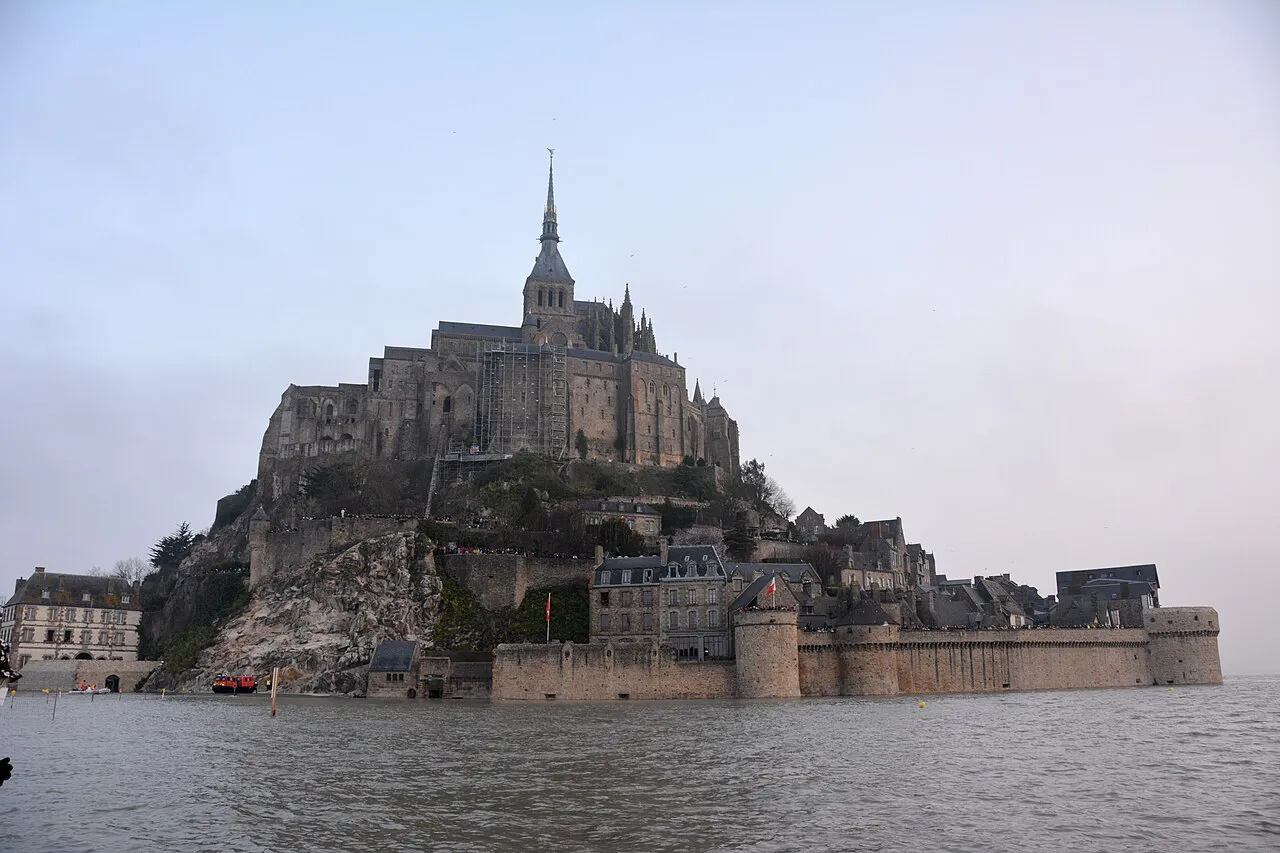
Mont Saint-Michel
Mont Saint-Michel
Last updated 2026-10-29
By Global Travel Guide Editorial Team
Introduction
The abbey was founded in the 8th century, when, according to legend, the Archangel Michael told Bishop Aubert of Avranches to build a church on the rock; the present buildings were raised between the 11th and 16th centuries. During the Hundred Years' War the abbey withstood repeated English sieges and became a symbol of French resistance. Mont Saint-Michel and its bay were named a UNESCO World Heritage Site in 1979. The Grande Rue climbs past shops to the abbey at the top, and the ramparts are free to walk. The island is surrounded by sea at high tide and joined to the mainland at low tide; a permanent causeway opened in 2014, and a free shuttle runs from the mainland car parks every five to ten minutes. Abbey entry costs 13 euros for adults and 9 euros for ages 18 to 25, and is free under 18. From Paris, take the TGV to Rennes in about 1 hour 20 minutes, then a direct bus.
Ticket Price
Free to visit the village and walk the ramparts. Abbey entry: €13 (≈ USD 15) adults / €9 (18-25) / free under 18. Combined abbey + guided tour: €18. Parking: €15-18 per day at the mainland lot, free shuttle...
Opening Hours
Abbey: 9:30 AM - 6:00 PM (May-Aug), 9:30 AM - 5:00 PM (rest of year). Last entry 1 hour before closing. Village shops/restaurants: generally 9 AM - 7 PM, some stay open later in summer. Closed January 1, December 25.
Transportation
From Paris: TGV to Rennes (1h20), then direct bus to Mont Saint-Michel (45 min). From Caen/Bayeux: bus or day tour. Free shuttle bus from mainland parking lots to the mount (every 5-10 min). No cars allowed on the island.
Best Season
April-June and September-October — mild weather, fewer crowds, and the tides are dramatic. July-August is packed with day-trippers. Winter is quiet but some shops/restaurants close. Check tide schedules — the mount becomes an island at high tide.
Pro Tip: Check the tide and arrive early
Local Tips You'd Only Learn After Visiting
The details official guides skip — save time, avoid crowds, and get better photos.
1
Check the tide and arrive early Mont Saint-Michel is surrounded by tidal flats and gets crowded by midday. Check the tide times, arrive early, and do not walk on the mudflats without a guide.
Member-Only Tips
Upgrade to unlock insider hacks, best photo spots, and crowd timing advice.
Frequently Asked Questions3 questions
Early morning or after 17:00, when day-trippers leave and the tide stories come alive. Check the tide timetable: very high tides make the mount an island and are the most dramatic.
Allow 3-4 hours for the abbey, village lanes and ramparts; add an hour for the tidal flats with a guide. The abbey itself takes about 1.5 hours.
Stay overnight on the mount or nearby and visit at opening; midday in summer is the worst. The abbey is quieter before 10:00 and after 16:00.