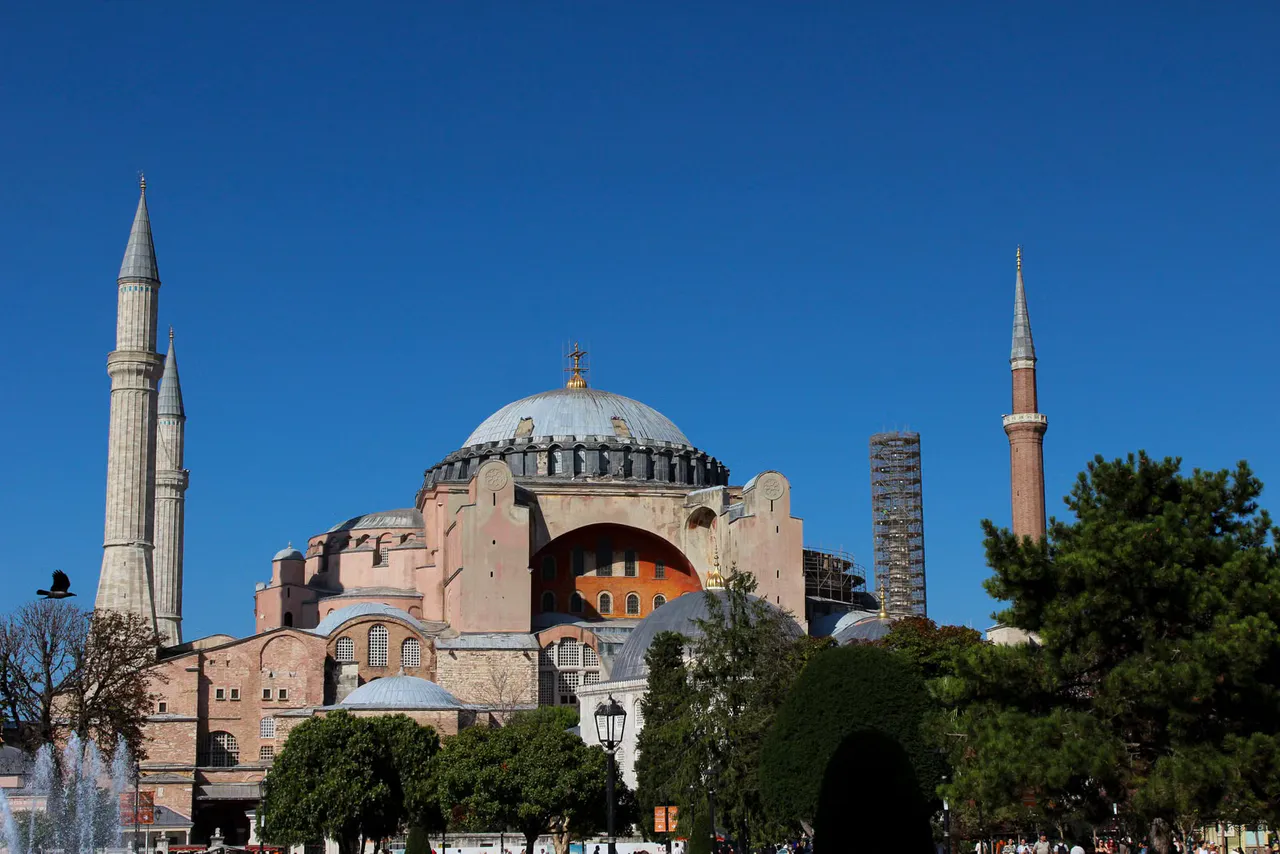
Hagia Sophia
Hagia Sophia · Sultan Ahmet Mahallesi, Ayasofya Meydanı No:1, 34122 Fatih/Istanbul, Turkey
Last updated 2026-10-29
By Global Travel Guide Editorial Team
Introduction
Emperor Justinian I's Greek Orthodox cathedral was finished in 537 CE and remained the largest cathedral in the world until the 15th century. When Mehmed the Conqueror took Constantinople in 1453 it became a mosque, with minarets, a mihrab, and a minbar added. Ataturk turned it into a museum in 1935, and in 2020 it returned to use as a mosque, though the mosaics are preserved and visible between prayers. Entry for visitors is around 1,200 Turkish lira, and the building closes to tourists during the five daily prayers and on Friday midday. Tram T1 stops at Sultanahmet, a short walk from the entrance, and the metro at Vezneciler is about 10 minutes away on foot. April-June and September-October bring milder weather and thinner crowds.
Ticket Price
Free for worshippers (during prayer times); Visitor entry (outside prayer times): around 1,200 Turkish Lira (approximately $40) Check the official site before booking. Prices change frequently due to inflation — verify on hagiasophia.gov.tr
Opening Hours
Open daily (check current schedule); As a mosque, it is open for prayers 5 times daily; Visitors may enter outside prayer times (typically 9:00–12:00 and 13:30–18:30, but schedule varies); Closed for visitors during the five daily prayer times and on Friday midday. Check the official site before visiting.
Transportation
Tram T1 to Sultanahmet stop (most direct); Metro M2 to Vezneciler, then 10 min walk; Ferry to Eminönü pier, then 15 min walk; Many city buses stop at Sultanahmet; Istanbul tourist tram is a hop-on-hop-off option
Best Season
April–June and September–October for mild weather and fewer extreme crowds; July–August is very hot (30-35°C) and extremely crowded with tourists; Winter (December–February) is cold but has far fewer visitors; Ramadan month may affect visiting hours and dining nearby
Pro Tip: Check prayer times and entry rules
Local Tips You'd Only Learn After Visiting
The details official guides skip — save time, avoid crowds, and get better photos.
1
Check prayer times and entry rules Hagia Sophia is an active mosque with separate visitor arrangements during prayer. Check current hours, dress modestly, and remove shoes before entering the prayer area.
Member-Only Tips
Upgrade to unlock insider hacks, best photo spots, and crowd timing advice.
Frequently Asked Questions4 questions
No, the mosque closes to visitors during the five daily prayers; check the daily schedule and plan around the 30-minute windows.
It is generally open daily about 9:00-19:00, with summer hours from 8:00 and the ticket office closing at 18:30. It closes to visitors during prayer times.
Cover shoulders and knees; women should bring a headscarf. Remove shoes before entering the prayer area and keep quiet during prayers.
No. Since Hagia Sophia was reinstated as a mosque in 2020, the Museum Pass is not valid; tickets must be bought separately.