Abu Simbel Temples
Abu Simbel Temples
Last updated 2026-10-30
By Global Travel Guide Editorial Team
Introduction
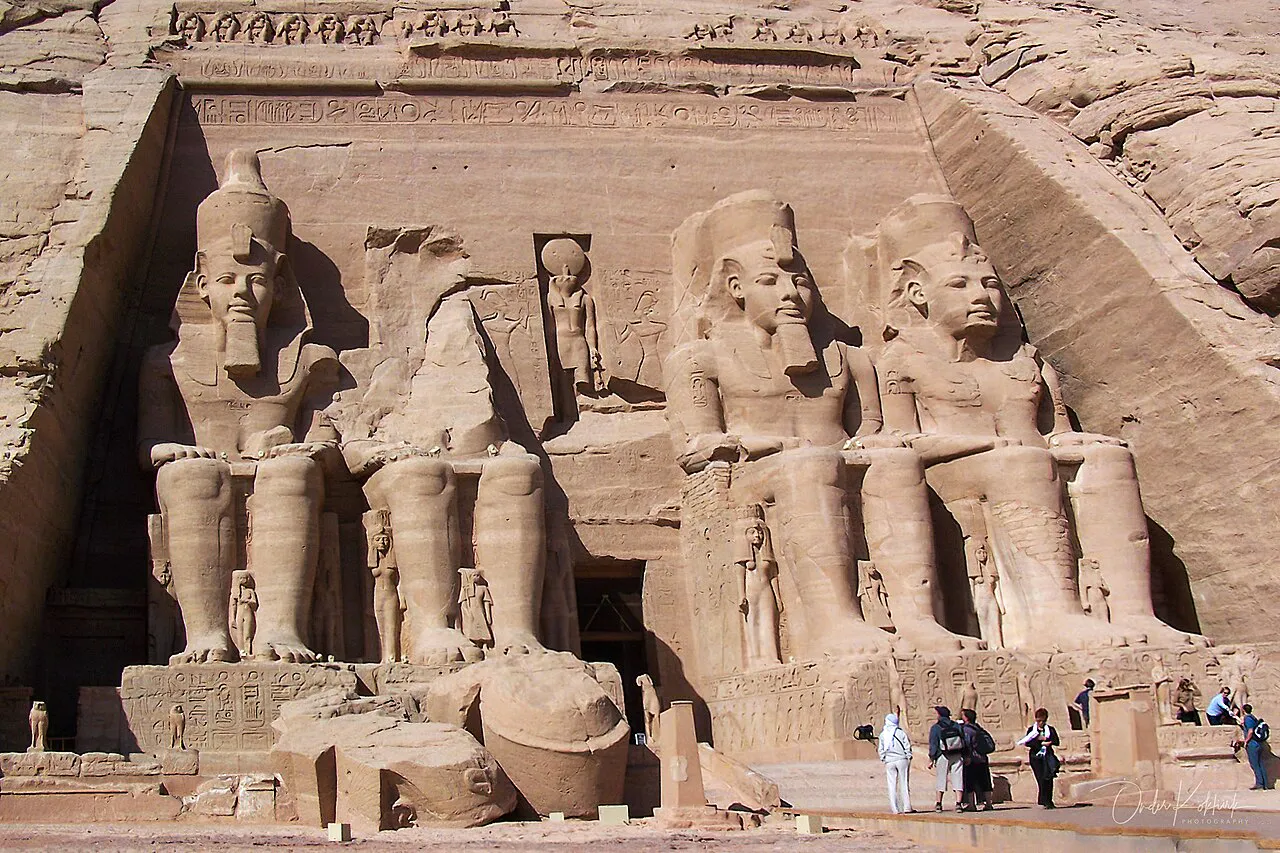
Ramses II had the Great Temple carved into a Nubian cliff in the 13th century BC, its facade dominated by four seated figures of the king, each about 20 meters tall. Beside it, the smaller Temple of Hathor honors Queen Nefertari. Between 1964 and 1968 an international effort cut both into blocks and rebuilt them on higher ground to keep them clear of the rising lake. Inside, reliefs cover the walls, and the sanctuary catches sunlight on two dates a year. Most people come on a dawn convoy from Aswan, about three hours each way, or fly into the small airport. November to March is cooler.
Ticket Price
Foreign adult about EGP 600 (≈ USD 11); students EGP 300. Reached by a 3-hour drive from Aswan or a short flight; early departure is advised.
Opening Hours
Summer 5:00-18:00; winter 6:00-17:00.
Transportation
About 3 hours by road from Aswan, usually as a convoy or tour; flights also land at Abu Simbel airport.
Best Season
In Egypt, for Abu Simbel Temples, the best window is Nov-Mar; May-Sep is extremely hot.
Pro Tip: Go with the early convoy or a flight
Local Tips You'd Only Learn After Visiting
The details official guides skip — save time, avoid crowds, and get better photos.
1
Go with the early convoy or a flight Abu Simbel is a long drive from Aswan. The early convoy or a short flight gives you cooler temperatures and more time before the tour buses arrive.
Member-Only Tips
Upgrade to unlock insider hacks, best photo spots, and crowd timing advice.
Frequently Asked Questions3 questions
Ramesses II built the two temples in the 13th century BC, carved into the rock to commemorate his reign and his victory at Kadesh. The larger temple is dedicated to Ra-Horakhty.
The Aswan High Dam created Lake Nasser, which would have submerged the temples. UNESCO led a international campaign in the 1960s to cut them into blocks and rebuild them on higher ground.
The sun penetrates the sanctuary around 22 February and 22 October, drawing large crowds. Dates can shift by a day, so check locally.