Hoi An Ancient Town
Hoi An Ancient Town
Last updated 2026-10-30
By Global Travel Guide Editorial Team
Introduction
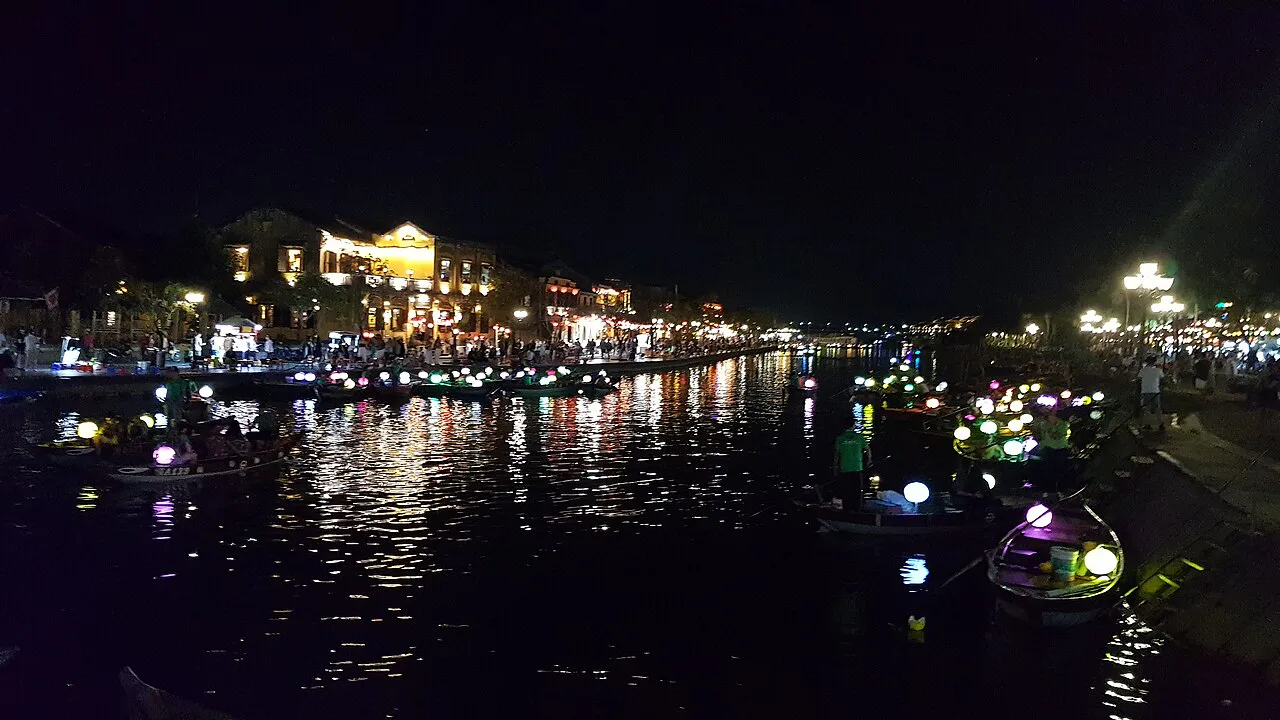
UNESCO-listed since 1999, Hoi An flourished as an international port from the 15th to the 19th century, when Chinese, Japanese, Vietnamese and European merchants met here. The architecture reflects that mix: wooden merchant houses, assembly halls, Chinese temples, French colonial buildings and the 17th-century Japanese Covered Bridge. Key sites include the Fujian Assembly Hall, the Old House of Tan Ky, the Museum of History and Culture and Quan Cong Temple. The old town runs along the Thu Bon River, with narrow lanes of yellow facades, lantern shops, tailors and cafes; after dark thousands of silk lanterns light the streets, and boat rides with floating lanterns are a popular evening activity. A VND 120,000 ticket covers five heritage sites, though some houses charge extra. The streets are public and open around the clock, and the full-moon lantern festival draws the largest crowds.
Ticket Price
Entry to the old town costs VND 120,000 (≈ USD 4.7), covering five heritage sites; some houses charge extra.
Opening Hours
The old town streets are public and open 24 hours. Temples, assembly halls and old houses set their own opening hours; the lantern-lit evening streets are free to walk.
Transportation
From nearby city (Viet Nam): local bus / train / taxi. Distance: 15-40 km. Guided day tours available from major nearby cities. On-site parking available at most sites.
Best Season
In Viet Nam, plan Hoi An Ancient Town for May-Sep; Jul-Aug is peak and Dec-Feb is cold.
Pro Tip: See the lanterns after dark
Local Tips You'd Only Learn After Visiting
The details official guides skip — save time, avoid crowds, and get better photos.
1
See the lanterns after dark Hoi An is at its best in the evening, when the old town lights up. Arrive before sunset, walk the riverfront, and keep an eye on the tide during the rainy season.
Member-Only Tips
Upgrade to unlock insider hacks, best photo spots, and crowd timing advice.
Frequently Asked Questions3 questions
Walk the lantern-lit lanes, cross the Japanese Covered Bridge, visit the assembly halls and old houses, take a basket-boat trip, and cycle to An Bang beach. Tailors can make clothes in a day or two.
February-April is dry and mild; September-November can bring flooding. The full-moon lantern night is the busiest and most atmospheric.
The lantern festival falls on the 14th day of the lunar month, when the old town turns off electric lights and floats lanterns on the river. Dates shift each month, so check a lunar calendar.