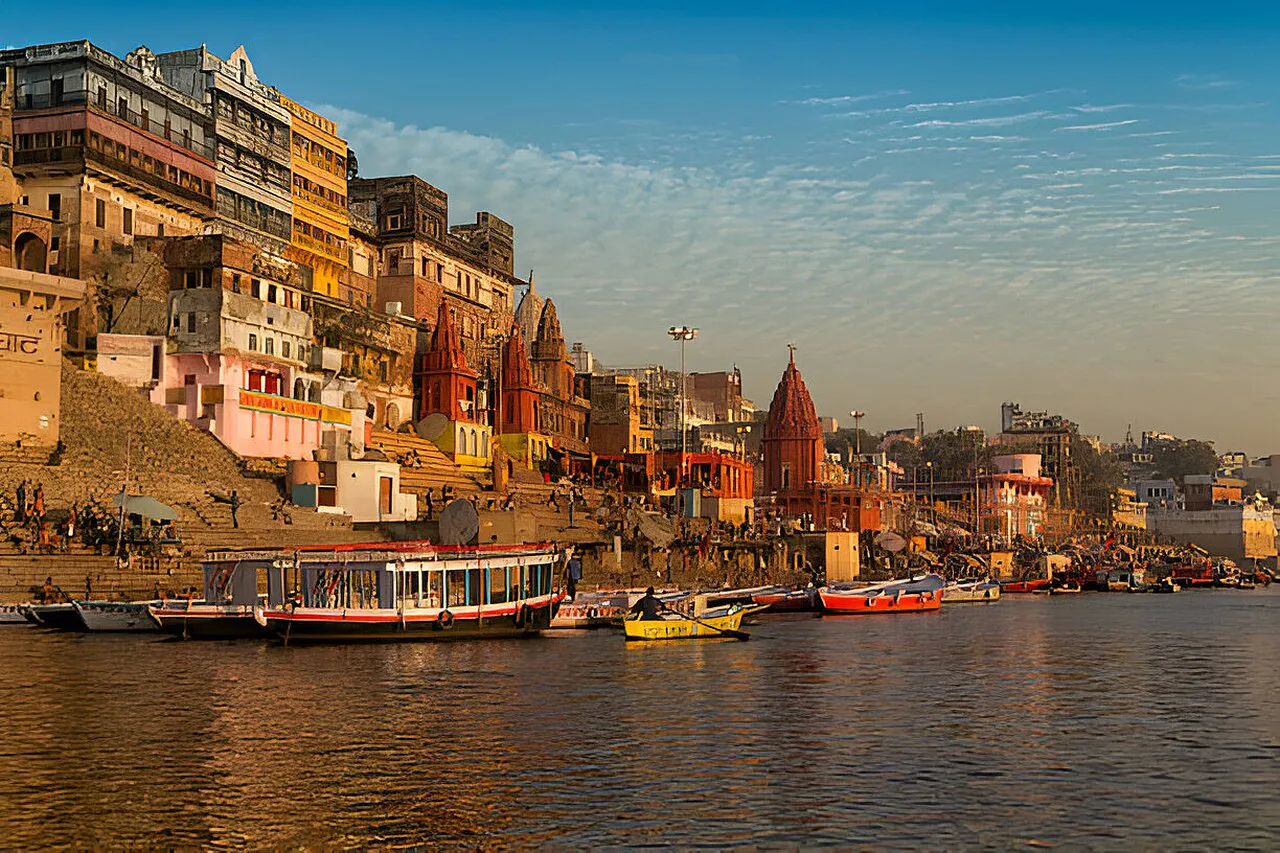
Varanasi Ghats
Varanasi Ghats · Varanasi, Uttar Pradesh 221001, India
Last updated 2026-10-29
By Global Travel Guide Editorial Team
Introduction
Varanasi's riverfront is a continuous chain of stone steps and terraces built over centuries, each ghat with its own function: bathing and ritual purification, prayer and yoga, or cremation at Manikarnika, the main burning ghat. The city is among the oldest continuously inhabited in the world, and the ghats remain its working centre rather than a monument. Boats leave before dawn for views of the temples and palaces that rise behind the steps, and at dusk Dashashwamedh Ghat hosts the Ganga Aarti, a fire ceremony that is free to watch. Most ghats are pedestrian-only, so you move between them on foot; the full walk takes about 1.5 hours. Auto-rickshaws from Varanasi Junction reach Dashashwamedh in 20-30 minutes. Access is free at all hours, though sunrise and sunset are the most rewarding times.
Ticket Price
Free to visit all ghats. Boat rides roughly INR 300-800 per hour per person depending on boat size, negotiable. Guide INR 500-1,500 per day. Ganga Aarti is free to watch.
Opening Hours
Ghats are accessible 24 hours, but best visited at sunrise (5-7 AM) and sunset/dusk (5-7 PM) for ceremonies. Ganga Aarti at Dashashwamedh Ghat: starts around sunset (approx. 6-7 PM, varies by season). Boat tours: sunrise tours start before dawn.
Transportation
From Varanasi Junction railway station: auto-rickshaw or taxi to Dashashwamedh Ghat (20-30 min, ~150-250 rupees). Most ghats are pedestrian-only — you walk between them along the riverfront. Cycle rickshaws work on the streets behind. Walking the full ghat stretch takes about 1.5 hours.
Best Season
October to March (winter/cool season) — pleasant temperatures (10-25°C). April to June is extremely hot (up to 45°C) and best avoided. July-September is monsoon season — the Ganges rises high and some ghats flood, but it is lush and less crowded.
Pro Tip: Take a sunrise boat from Dasaswamedh
Local Tips You'd Only Learn After Visiting
The details official guides skip — save time, avoid crowds, and get better photos.
1
Take a sunrise boat from Dasaswamedh A early boat along the Ganges shows the ghats waking up and avoids the midday heat. Agree the route, duration and price before boarding.
Member-Only Tips
Upgrade to unlock insider hacks, best photo spots, and crowd timing advice.
Frequently Asked Questions4 questions
No. Photography and filming are prohibited at the cremation ghats; elsewhere, ask before photographing people or ceremonies.
Sunrise, around 5:00-6:30, is calm and gives the best light for the ghats and cremation sites. Sunset boats are also popular.
Cover shoulders and knees, and wear shoes that are easy to remove. Avoid revealing clothing and ask before photographing people or ceremonies.
The Ganga aarti at Dashashwamedh Ghat usually starts around 18:45 and lasts about 45 minutes. Arrive 45 minutes early for a seat or a boat view.