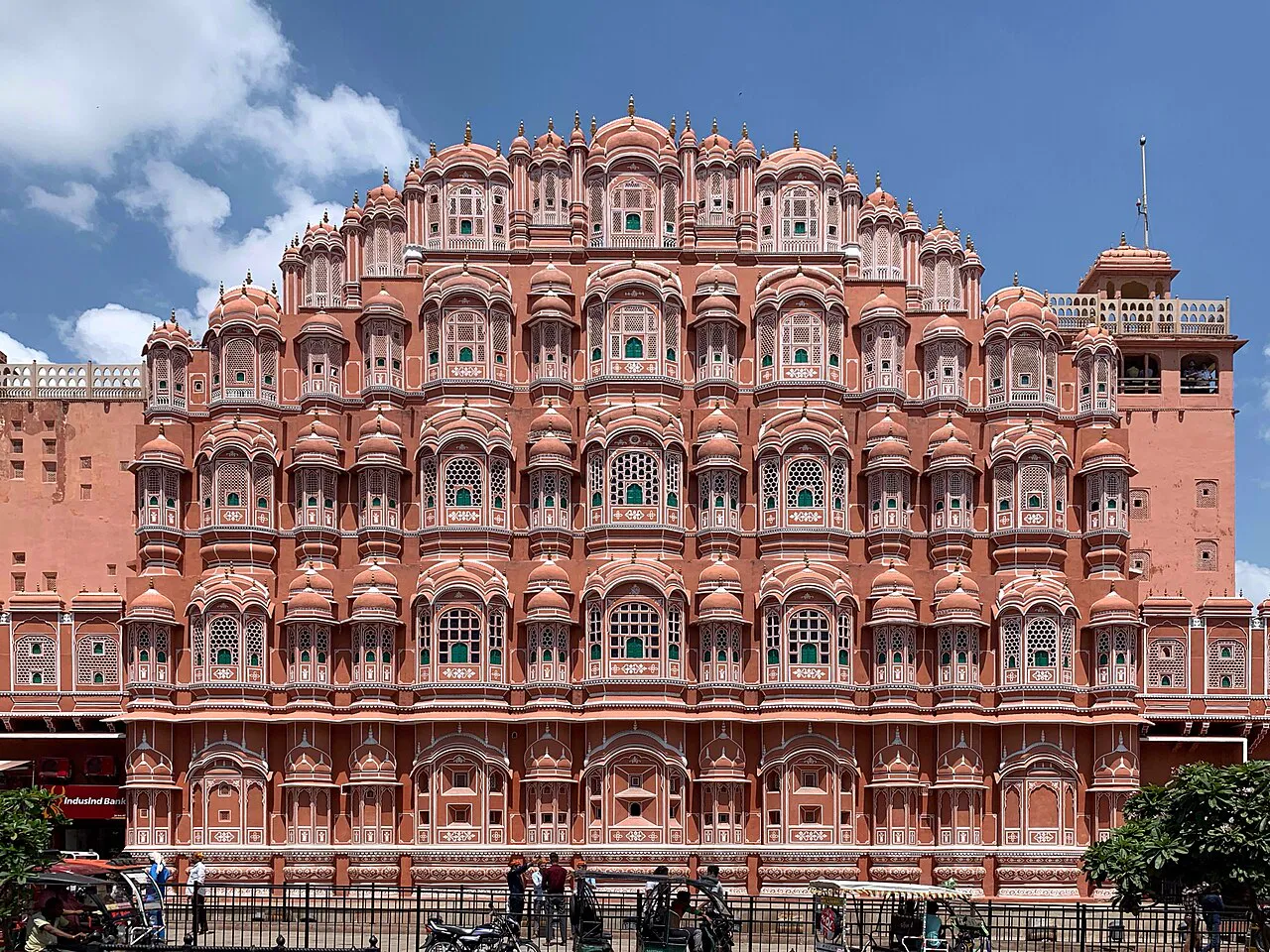
About India
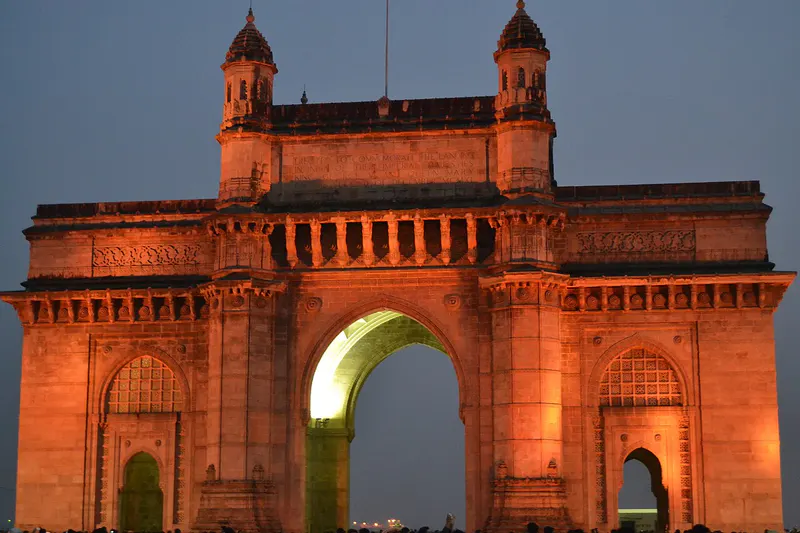
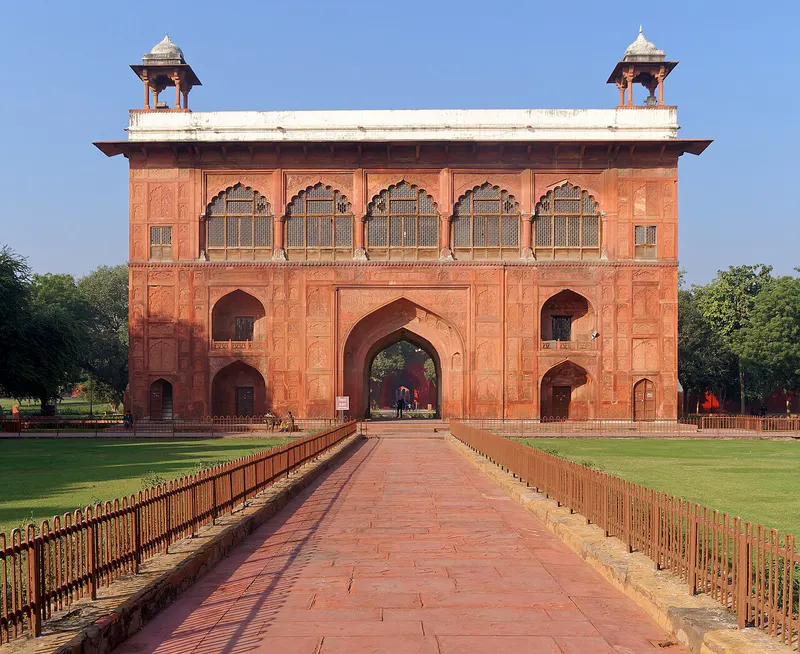
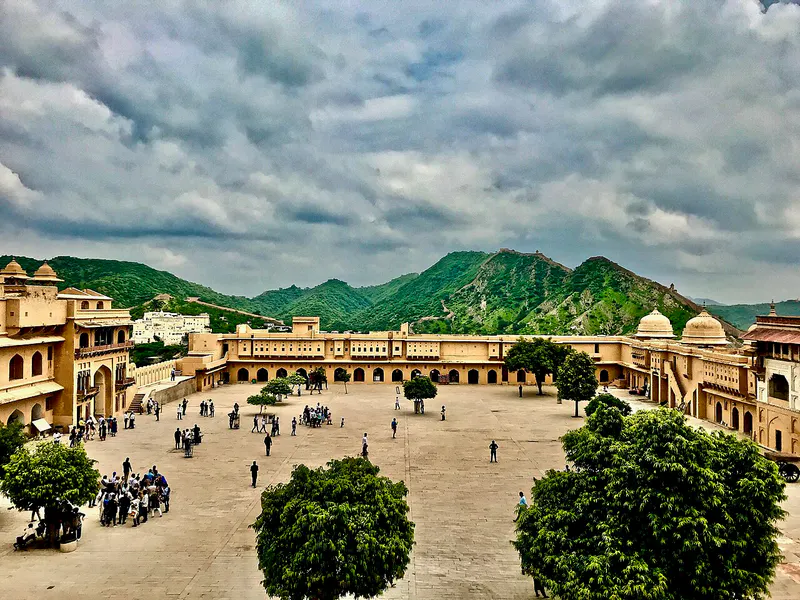
India packs several distinct travel regions into one country: the north's Mughal circuit of Delhi, Agra and Jaipur, where the Red Fort, Taj Mahal and Amber Fort anchor the Golden Triangle; the spiritual cities of Varanasi, with its ghats along the Ganges, and Amritsar, home to the Golden Temple; Mumbai's colonial-era Gateway of India and art scene on the west coast; the palace towns of Rajasthan around Udaipur; and Kerala's backwaters in the south. Languages, cuisines and festivals change from state to state, so a trip that links two or three regions usually shows more than a rushed tour of many. Trains are the backbone of long-distance travel, with sleeper and air-conditioned classes on most routes, while auto-rickshaws and app cabs handle city movement and domestic flights save days on long hops. Food ranges from inexpensive thalis and street snacks to regional kitchens such as Chettinad in Tamil Nadu and Kashmiri wazwan. Budget travellers spend roughly $25-45 a day, mid-range visitors $60-100 and luxury stays $150 or more, with palace hotels in Rajasthan and Mumbai at the top. October to March is cool and dry across most of the country and the peak season; the Himalayan states of Ladakh and Himachal Pradesh are at their best in summer. Plan around October to March for the plains, or June to September if the mountains are the goal.
Quick Facts
India at a Glance
🏛️
Capital
New Delhi
🗣️
Language
Hindi & English
💰
Currency
INR / Indian Rupee
⏰
Time Zone
UTC+5:30
🔌
Voltage & Plug
230V, Type C, D & M
📞
Dialing Code
+91
👥
Population
~1.43 billion, 2024
🌤️
Best Time To Visit
Oct–Mar
Best Time to Visit
When to Visit India
High Season (October-March): The peak tourist season across most of India. Weather is cool and dry with temperatures ranging from 15-25 C in the north (Delhi, Agra, Rajasthan) and 20-30 C in the south. This is the best time for sightseeing, wildlife safaris, and beach visits. Hotels and trains book up quickly, especially around Christmas, New Year, and Diwali. Prices are 30-50% above low season rates. Shoulder Season (March-April, September): Transitional periods with good value. March-April brings warmer temperatures (25-35 C across much of the country) but fewer crowds and lower prices than peak. This is a good time to visit the Himalayan foothills and hill stations. September marks the end of monsoon season - the landscape is lush and green, tourist spots start reopening, and prices are still low. Low Season (April-June, July-September monsoon): April to June is the hot season, with temperatures regularly reaching 35-45 C across the plains - Delhi can hit 45 C+. July to September is monsoon season with heavy rain, high humidity, and occasional flooding. However, this is the cheapest time to visit with hotel rates dropping 40-60%. The Himalayan regions (Ladakh, Himachal Pradesh, Uttarakhand) are at their best in summer and offer an escape from the heat.
Visa Information
Visa Policy for India
Entry rules for India depend on your passport. We track visa-free stays, e-visas and visa-on-arrival rules for US & Canadian, EU & UK, Chinese, and Australian & Japanese passports — with official sources and last-verified dates.
Visa policies are subject to official sources. Please verify with the embassy/consulate before travel.
Budget Reference
Travel Budget for India
Budget: $25-45/day (budget guesthouse or hostel dorm 500-1,000 INR, street food and local thali meals 300-600 INR, auto-rickshaws and local buses 200-400 INR, free temples + 1 paid attraction 300-500 INR) Mid-Range: $60-100/day (3-star hotel or heritage guesthouse 2,000-4,000 INR, restaurant meals 1,000-2,000 INR, taxi/Uber and AC trains 1,500-3,000 INR, guided tours and paid attractions 1,000-2,500 INR) Luxury: $150+/day (5-star hotel or palace resort 6,000-15,000+ INR, fine dining and rooftop restaurants 3,000-6,000 INR, private driver and first-class trains 4,000-8,000 INR, private guided tours and luxury experiences 3,000-10,000+ INR) Per person per day in USD, excluding international flights. Prices can be 30-50% lower in smaller towns and rural areas. Mumbai, Delhi, and luxury Rajasthan palace hotels are the most expensive. India generally offers exceptional value compared to Western destinations. Negotiating is common for auto-rickshaws, taxis, and market purchases.
Prices are per person per day in USD, excluding international flights.
TOP ATTRACTIONS
Must-Visit Attractions
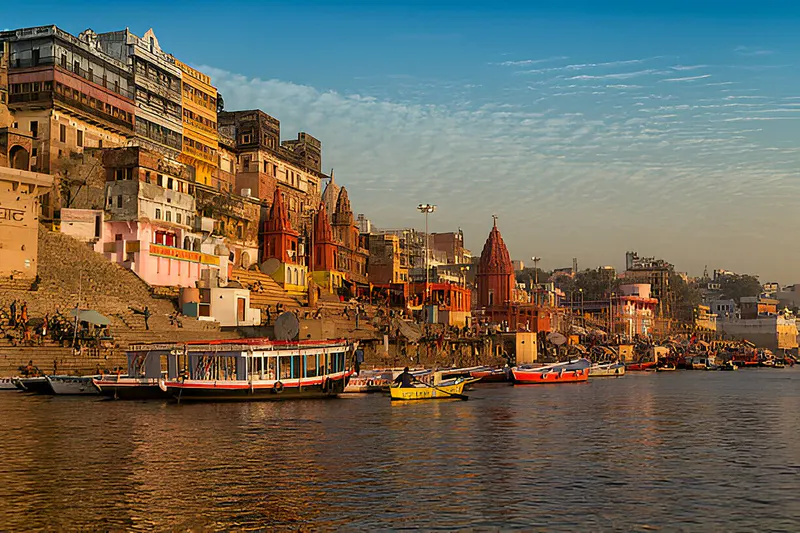
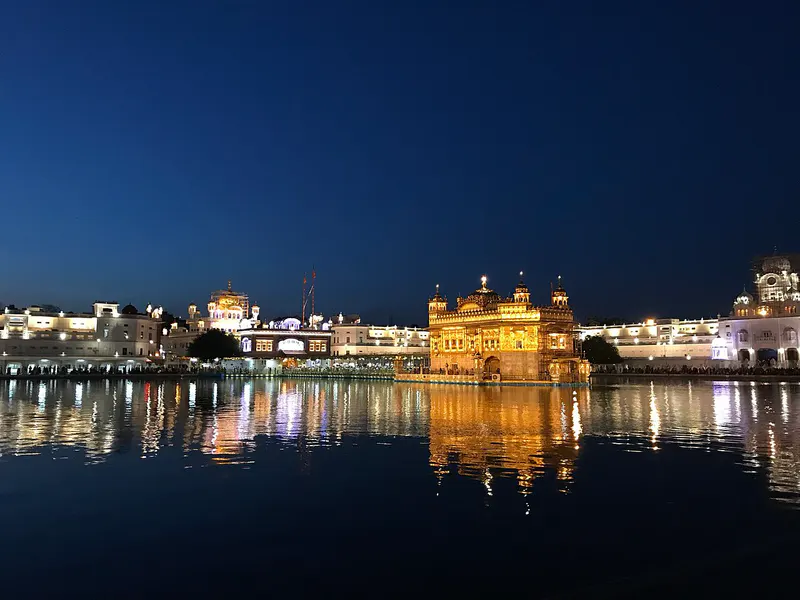
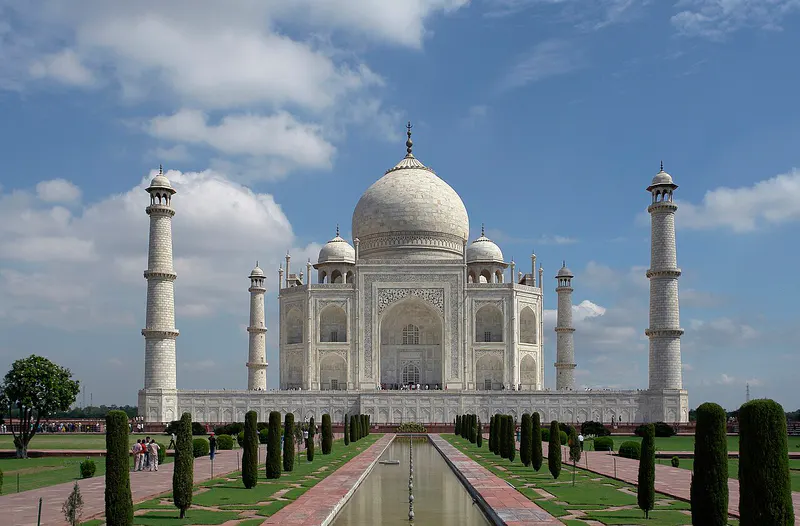
TRAVEL GUIDES
Travel Guides for India
8 Days
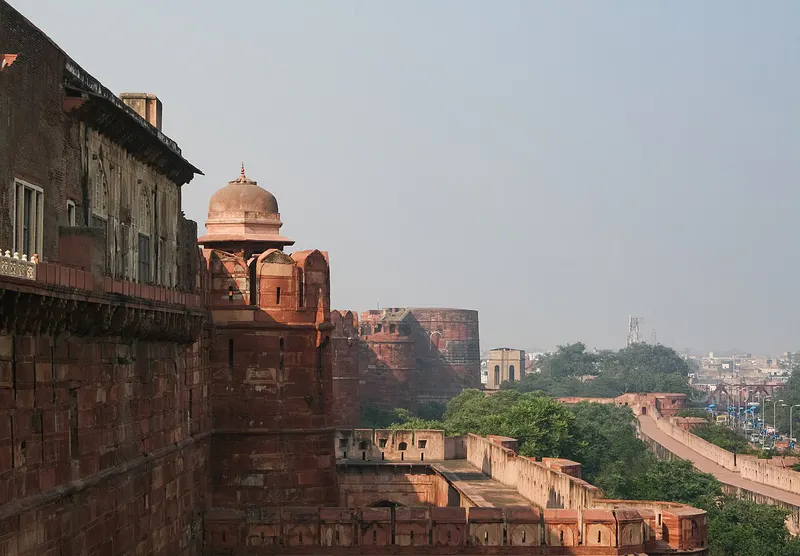
India Golden Triangle Classic: Delhi, Agra & Jaipur in 8 Days
💰 Comfort · approx. $1,350–2,090 (≈ €1,170–1,820), excl. int'l flights
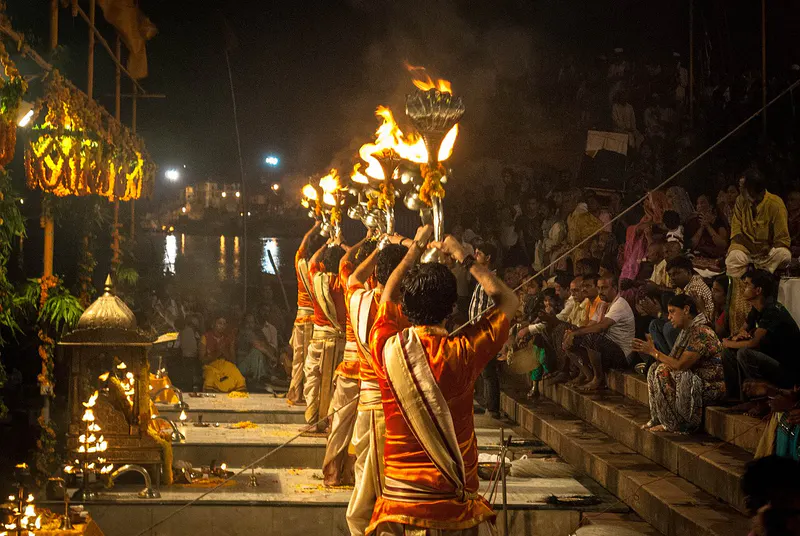
6 Days
India Sacred Cities: Varanasi & the Golden Temple in Amritsar in 6 Days
💰 Comfort · approx. $1,200–1,790 (≈ €1,040–1,560), excl. int'l flights
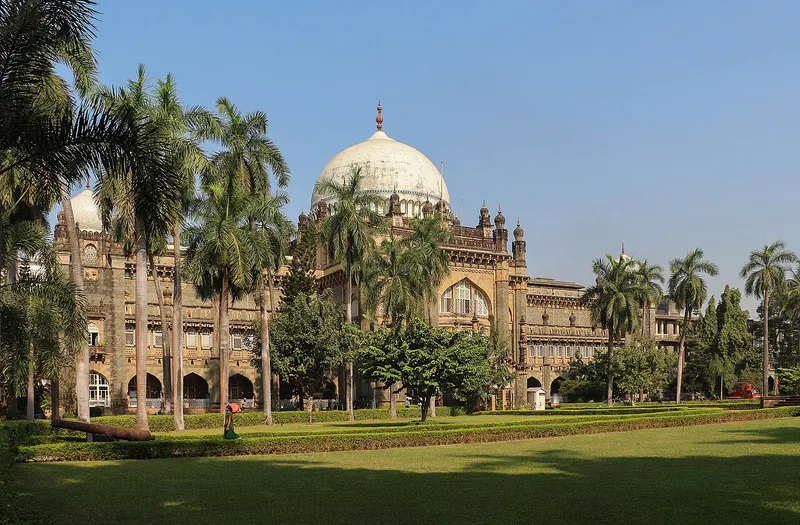
5 Days
India Art & Museums: Delhi & Mumbai in 5 Days
💰 Cultural · approx. $900–1,350 (≈ €780–1,170), excl. int'l flights
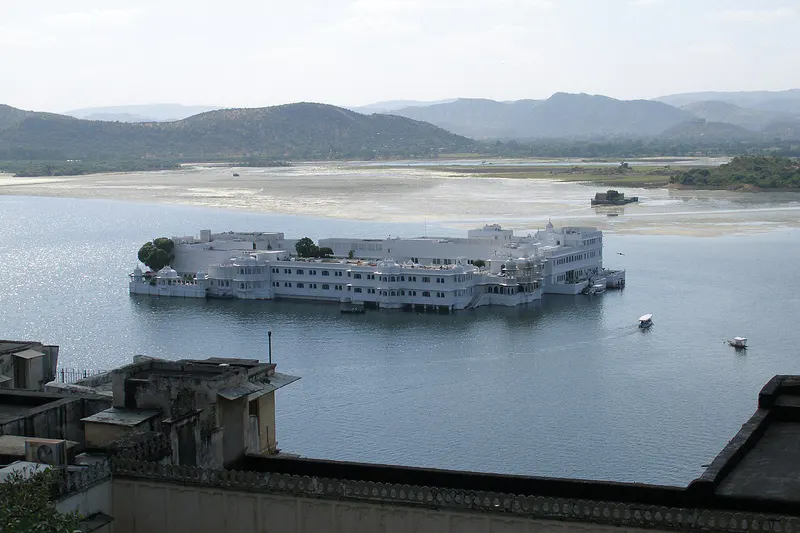
7 Days
India Honeymoon: Udaipur's Lake City & Kerala Backwaters in 7 Days
💰 Luxury · approx. $1,790–2,990 (≈ €1,560–2,600), excl. int'l flights
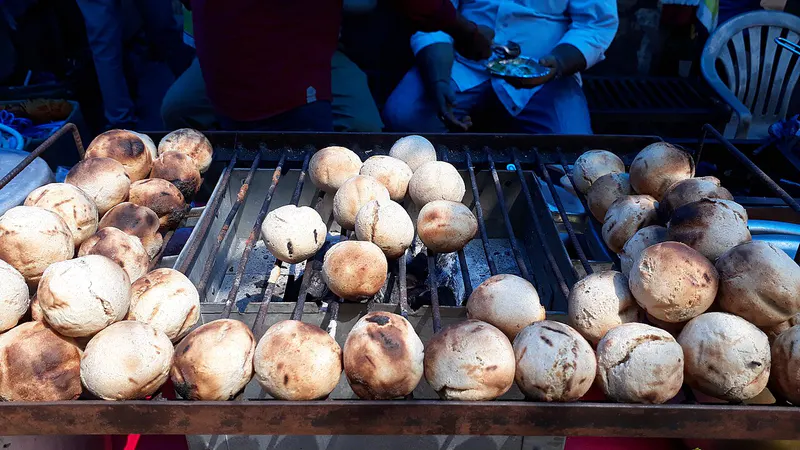
5 Days
India Food Tour: Delhi Street Food & Amritsar in 5 Days
💰 Foodie · approx. $820–1,270 (≈ €720–1,110), excl. int'l flights
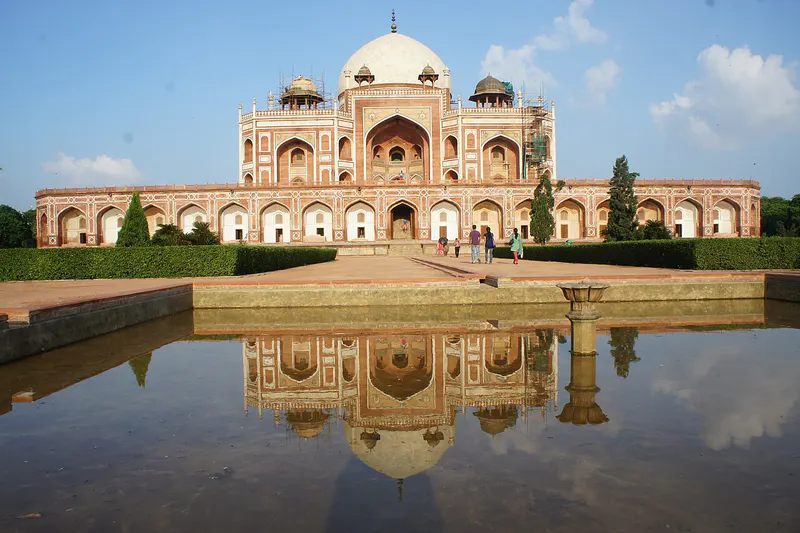
5 Days
North India History & Culture: Delhi & Agra in 5 Days
💰 Comfort · approx. $900–1,350 (≈ €780–1,170), excl. int'l flights
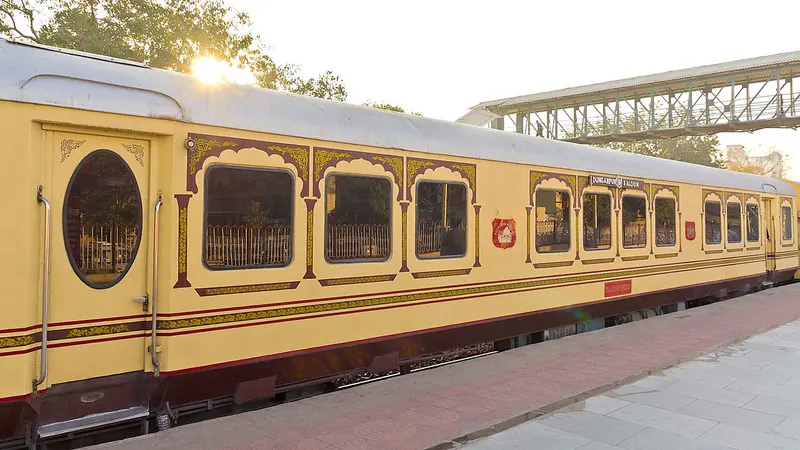
8 Days
Luxury Rail Rajasthan: Palace on Wheels in 8 Days
💰 Luxury · approx. $2,690–4,490 (≈ €2,340–3,900), excl. int'l flights
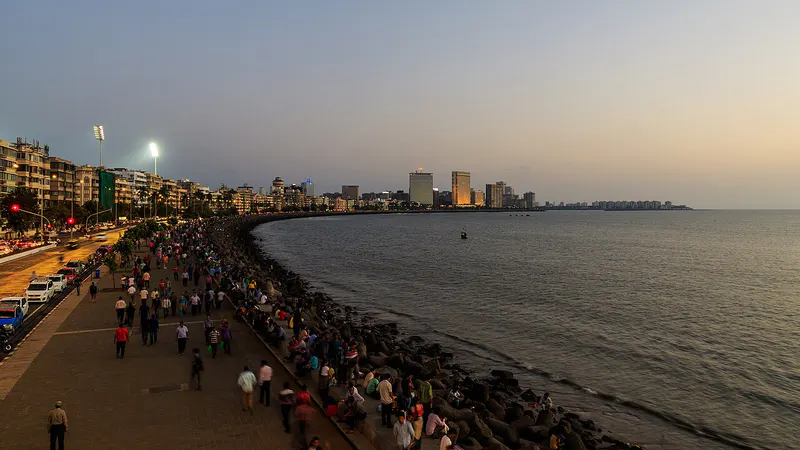
4 Days
Mumbai City Deep-Dive in 4 Days
💰 Comfort · approx. $820–1,270 (≈ €720–1,110), excl. int'l flights
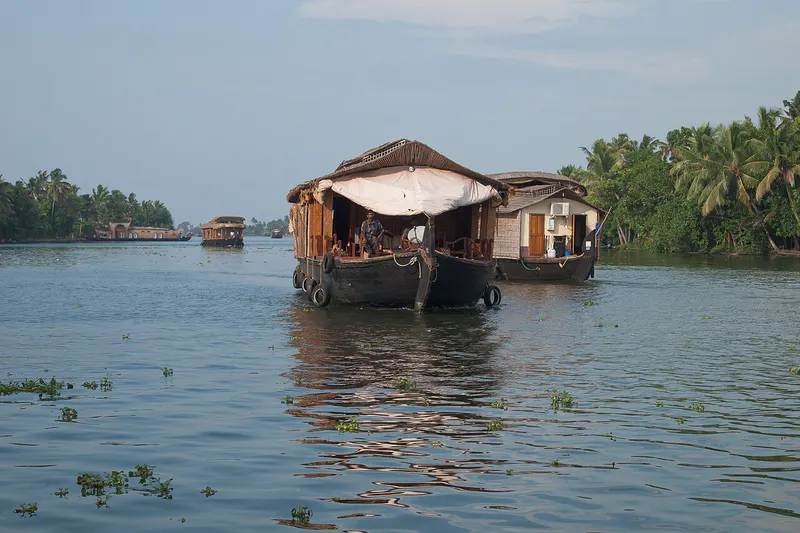
6 Days
Kerala Backwaters & Tea Plantations in 6 Days
💰 Comfort · approx. $1,200–1,940 (≈ €1,040–1,690), excl. int'l flights
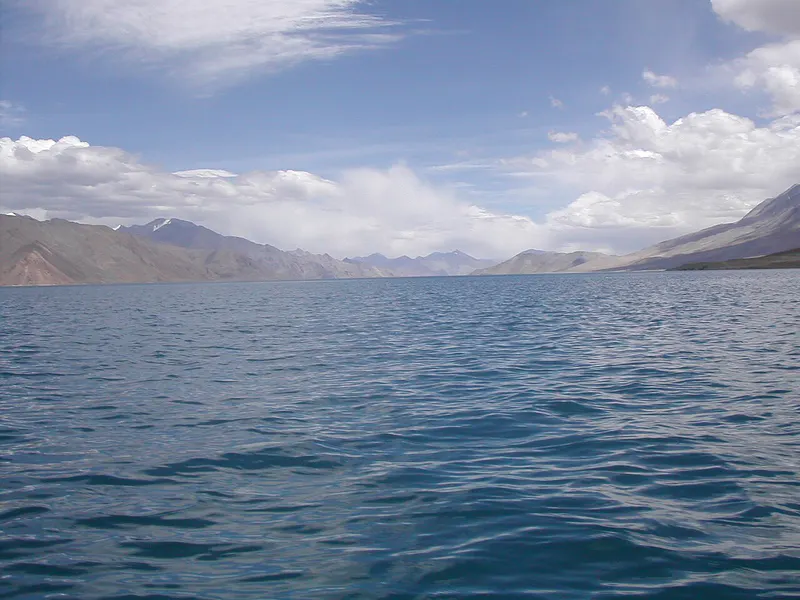
8 Days
Ladakh Plateau Trek: Leh & the Markha Valley in 8 Days
💰 Outdoor · approx. $1,640–2,690 (≈ €1,430–2,340), excl. int'l flights
MORE DESTINATIONS
Other Countries in Asia
FAQ
Frequently Asked Questions about India
Travel FAQ
How do I book train tickets in India?+
Use IRCTC or a reputable agent, and book early for popular routes. Carry the ID used for the booking and arrive at the station with time to spare. (Incredible India / Indian Railways)
Is it safe to eat street food in India?+
Choose busy stalls with freshly cooked food, avoid lukewarm dishes and use bottled or filtered water. Vegetarian options are widely available. (Incredible India food safety information)
How do I get around Delhi?+
Use the metro for the fastest cross-city trips and ride-hailing for late nights. Agree on the fare or meter before taking a taxi. (Incredible India / Delhi Metro)
What should I wear at Indian temples?+
Cover shoulders and knees, remove shoes before entering and follow any head-covering rules. Some temples restrict non-Hindus, so check signs. (Incredible India temple etiquette)
How do I visit the Taj Mahal from Delhi?+
Take a fast train to Agra, then a taxi or auto to the Taj. Book the monument ticket online and go at opening; it is closed on Fridays.