About Canada
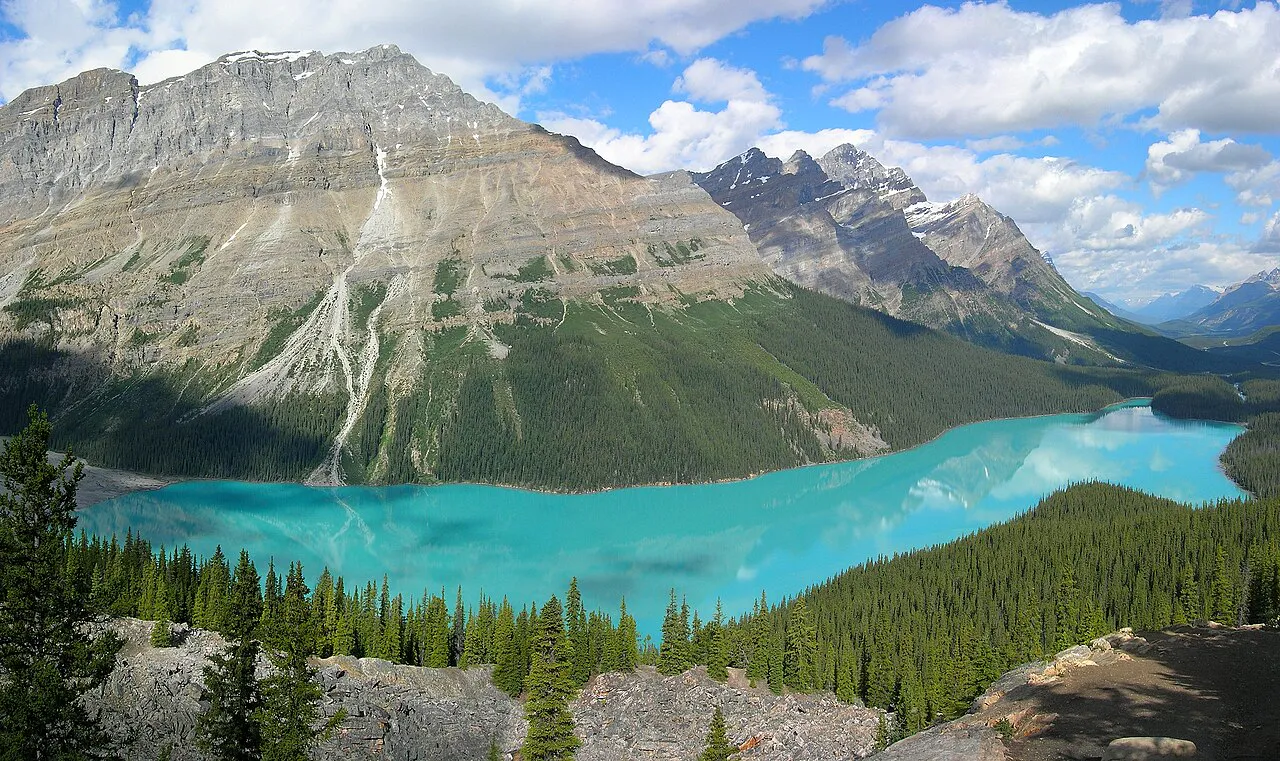
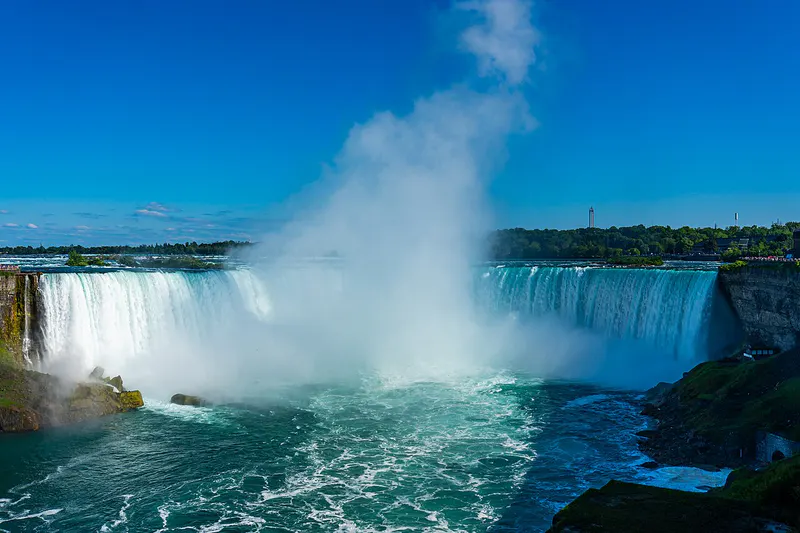
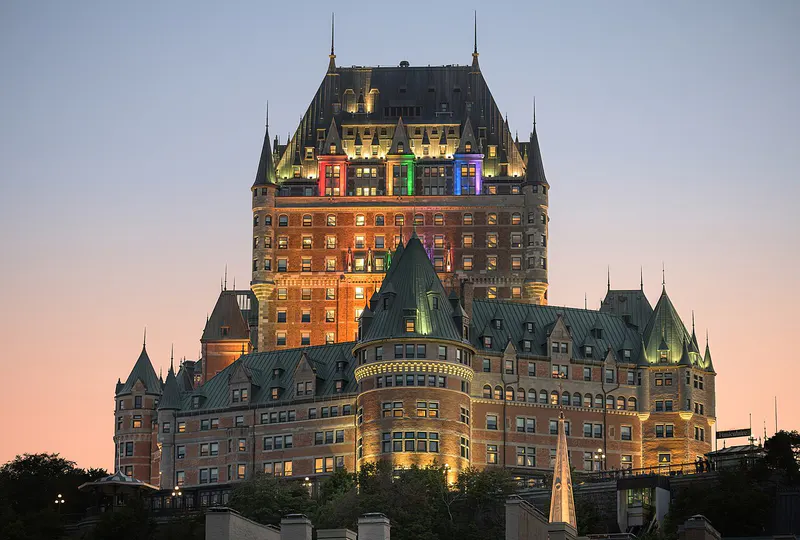
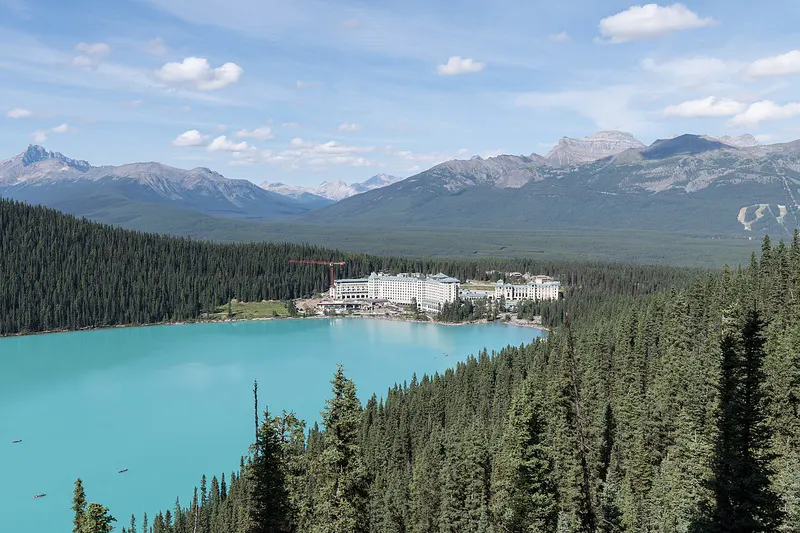
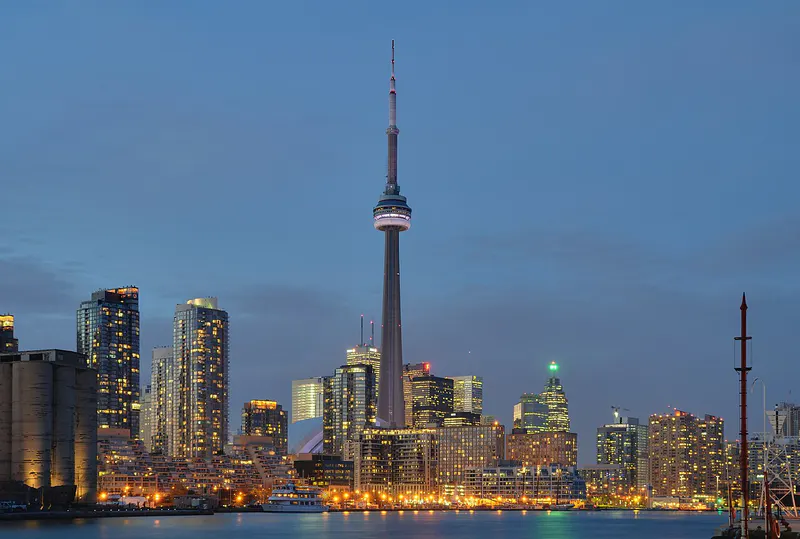
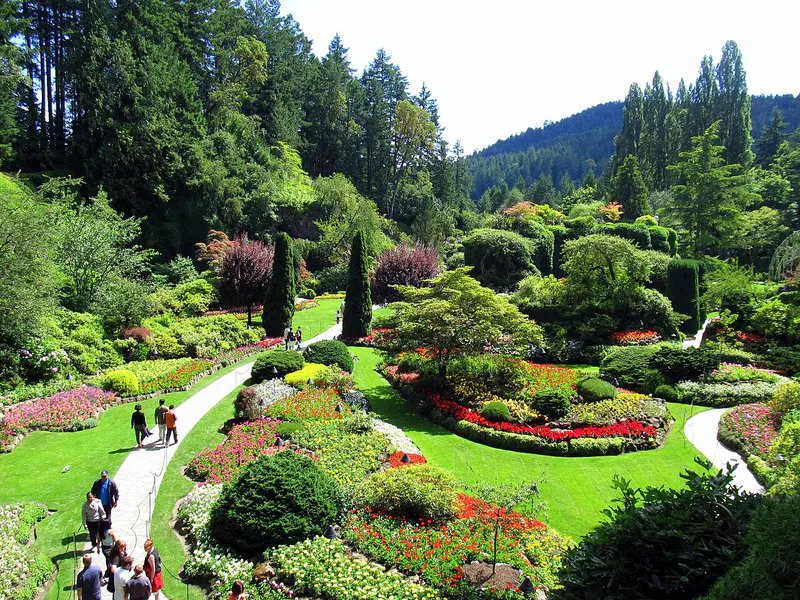
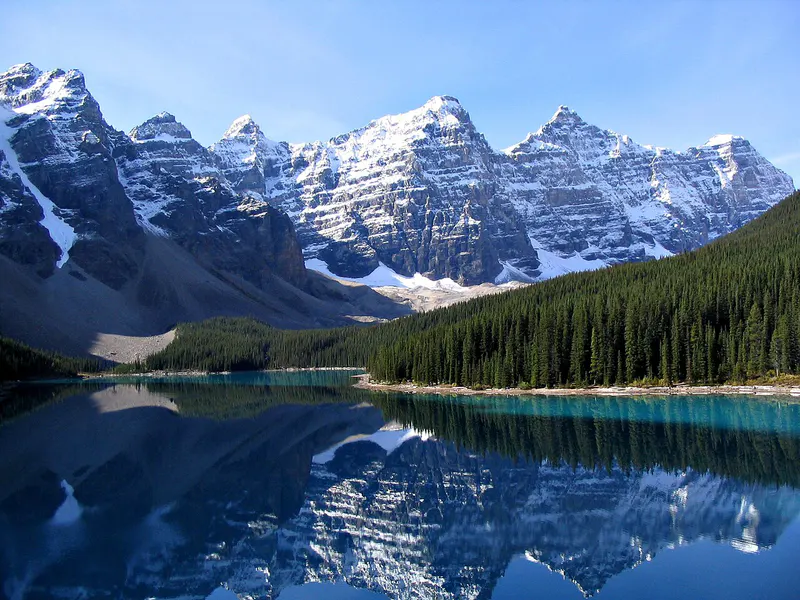
Canada is too large to cross in one trip, so most itineraries settle on a region. Ontario and the Atlantic provinces pair Toronto and the CN Tower with Niagara Falls, then continue to Quebec, where Montreal and Old Quebec carry a French-speaking identity and a stone-walled old town. British Columbia runs from Vancouver to Victoria's Butchart Gardens, while the Rockies hold Banff National Park, Moraine Lake and Lake Louise, and the Yukon and Northwest Territories push into subarctic wilderness. Each region has its own scale: a two-week drive through the Maritimes covers what a single afternoon of flying skips. A rental car is close to essential outside the big cities, and VIA Rail links the Toronto-Montreal-Quebec corridor comfortably; domestic flights are the practical way to reach the Rockies or the far north. Poutine, Montreal bagels and Pacific salmon appear on most menus, and grocery stores keep self-catering costs down. Budget travellers spend about $80-120 a day, mid-range visitors $180-280 and luxury lodges $350 or more, with Banff and Vancouver the priciest. June to September brings the warmest weather and the heaviest crowds; ski resorts in Whistler and Banff fill from December to March, and the northern lights are strongest in the same winter months. Aim for June to September for hiking and road trips, or May and October for lower prices.
Quick Facts
Canada at a Glance
🏛️
Capital
Ottawa
🗣️
Language
English & French
💰
Currency
CAD / Canadian Dollar
⏰
Time Zone
UTC-5 (UTC-4 DST) · UTC-3.5 to -8
🔌
Voltage & Plug
120V, Type A & B
📞
Dialing Code
+1
👥
Population
~40.1 million, 2024
🌤️
Best Time To Visit
Jun–Sep
Best Time to Visit
When to Visit Canada
High Season (June-September): Peak summer with the warmest weather. In the Rockies and mountain regions, temperatures range 15-25 C with long daylight hours. Banff, Jasper, and Yoho National Parks are at their busiest with hotel rates 50-100% above shoulder. Niagara Falls and major cities also see peak crowds. Book accommodations 3-6 months in advance for popular areas. Shoulder Season (May, October): Excellent value with pleasant weather. May brings blooming wildflowers in the mountains and fewer crowds (10-20 C in most areas). October offers fall foliage, especially in Eastern Canada and the Rockies (5-15 C). Prices drop 30-50% from peak. Some seasonal attractions may have reduced hours. Low Season (November-March): Winter varies dramatically by region. The Rockies (Banff, Whistler) draw ski crowds December-March with cold temperatures (-5 to -15 C) but excellent snow conditions. Eastern and central Canada are very cold (-10 to -25 C in January). Cities like Vancouver and Victoria are milder (3-10 C in winter). Hotel prices in non-ski areas drop 40-60%. Northern lights viewing is best from December to March.
Visa Information
Visa Policy for Canada
Entry rules for Canada depend on your passport. We track visa-free stays, e-visas and visa-on-arrival rules for US & Canadian, EU & UK, Chinese, and Australian & Japanese passports — with official sources and last-verified dates.
Visa policies are subject to official sources. Please verify with the embassy/consulate before travel.
Budget Reference
Travel Budget for Canada
Budget: $80-120/day (hostel dorm 30-50 CAD, fast food and grocery meals 20-35 CAD, local transit 10-15 CAD, free parks + 1 paid attraction 15-25 CAD. Camping is a great budget option in national parks.) Mid-Range: $180-280/day (3-star hotel or Airbnb 100-180 CAD, casual dining 40-70 CAD, intercity transport (flights/trains/rental cars) 30-80 CAD, attractions and activities 30-60 CAD) Luxury: $350+/day (4-5 star hotel or luxury lodge 250-500+ CAD, fine dining 80-150 CAD, private tours and transfers 100-200 CAD, premium experiences like heli-skiing or wildlife tours 150-300+ CAD) Per person per day in USD, excluding international flights. Costs vary dramatically by region: Vancouver, Banff/Jasper in peak season, and remote northern areas are the most expensive. Eastern Canada (Quebec, Atlantic provinces) and smaller cities are generally 20-30% cheaper. Rental cars and domestic flights add significantly to costs due to large distances.
Prices are per person per day in USD, excluding international flights.
TOP ATTRACTIONS
Must-Visit Attractions
TRAVEL GUIDES
Travel Guides for Canada
11 Days
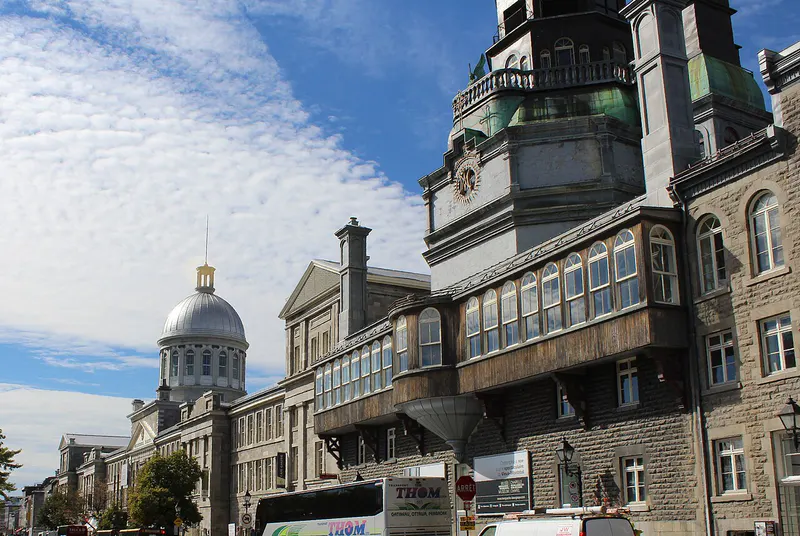
Canada Coasts: Toronto, Niagara, Quebec & Montreal in 11 Days
💰 Comfort · approx. $3,890–5,230 (≈ €3,380–4,550), excl. int'l flights
4 Days
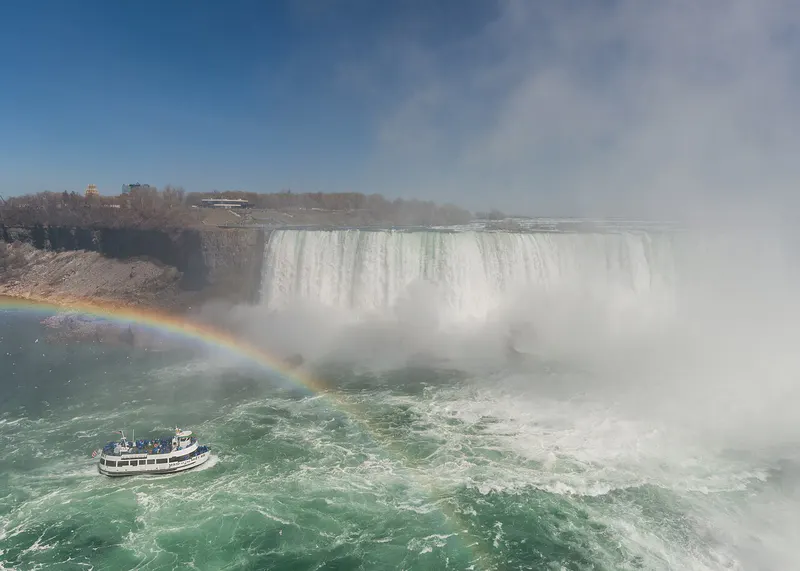
Niagara Falls & Toronto Family Weekend in 4 Days
💰 Comfort · approx. $1,350–1,940 (≈ €1,170–1,690), excl. int'l flights
5 Days
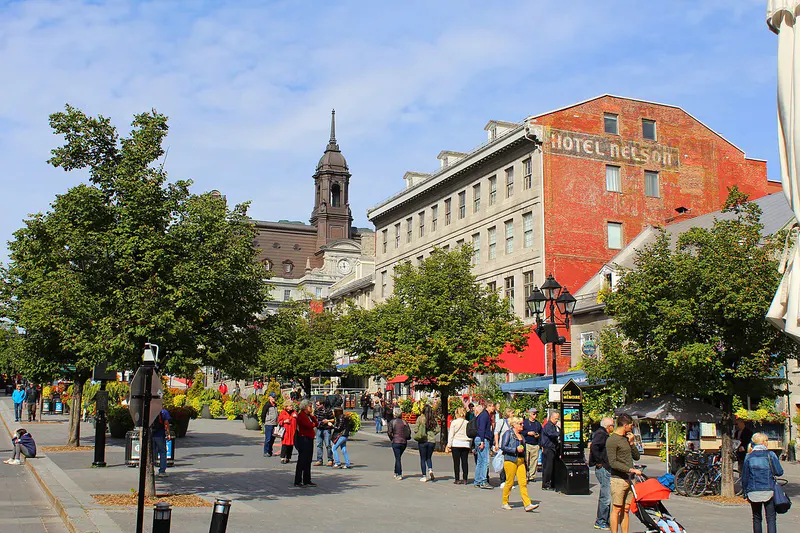
Quebec French Charm: Old Quebec & Montreal in 5 Days
💰 Comfort · approx. $1,790–2,390 (≈ €1,560–2,080), excl. int'l flights
8 Days
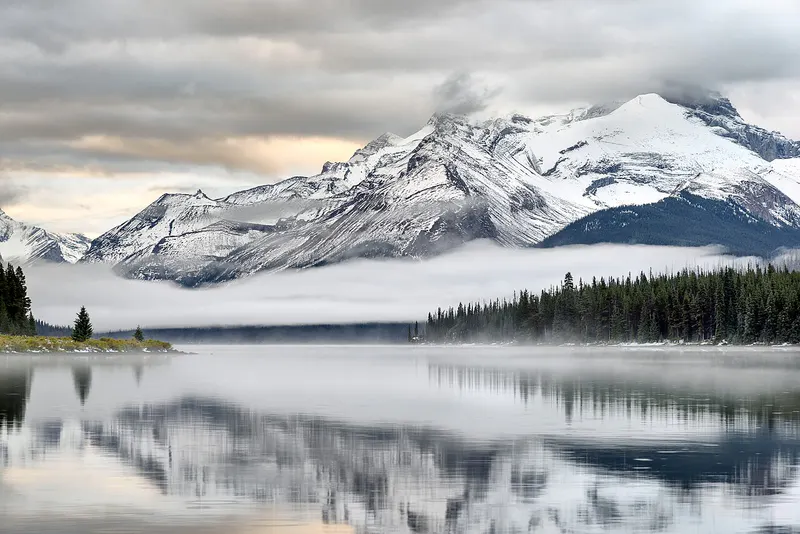
Rockies Winter: Banff, Jasper Skiing & Hot Springs in 8 Days
💰 Upscale · approx. $3,740–5,230 (≈ €3,250–4,550), excl. int'l flights
6 Days
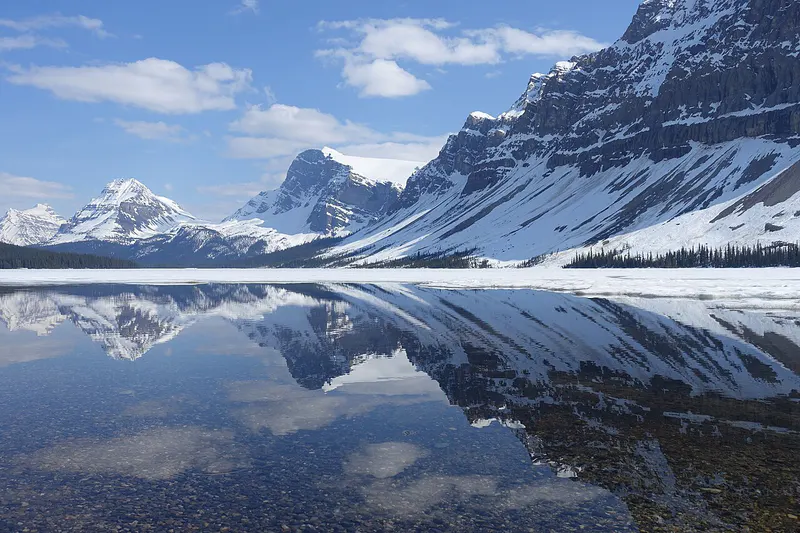
Rockies Spring & Summer Hiking: Banff, Moraine & Louise in 6 Days
💰 Comfort · approx. $2,090–2,990 (≈ €1,820–2,600), excl. int'l flights
5 Days
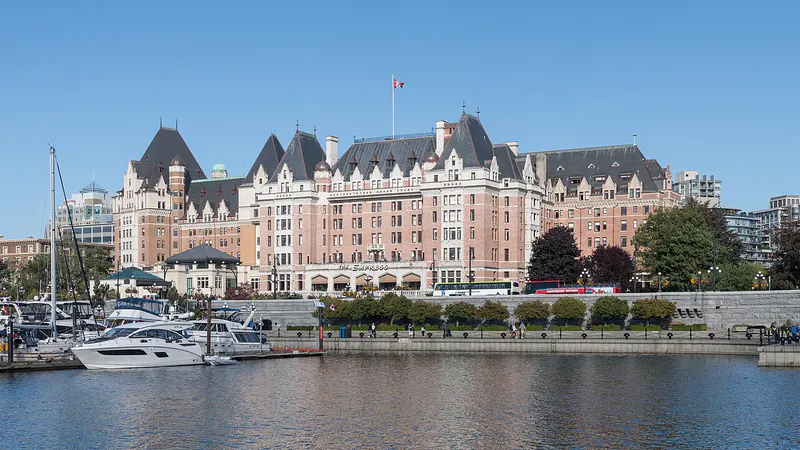
Vancouver Island Slow Travel: Victoria & Butchart Gardens in 5 Days
💰 Upscale · approx. $1,940–2,690 (≈ €1,690–2,340), excl. int'l flights
MORE DESTINATIONS
Other Countries in North America
FAQ
Frequently Asked Questions about Canada
Travel FAQ
What food can I bring into Canada?+
All food, plants and animal products must be declared, and many are restricted. Check the CBSA rules before packing and declare everything at the border. (Travel.gc.ca customs)
Do I need to declare cash at Canadian customs?+
Yes. You must declare currency or monetary instruments of CAD 10,000 or more when entering or leaving Canada. (Travel.gc.ca customs)
Can I bring medication into Canada?+
Prescription and over-the-counter medicines may be restricted. Bring them in original packaging with a prescription or doctor's note, and declare them if asked. (Travel.gc.ca customs)
Where can I see the northern lights in Canada?+
Go north in winter, such as Yukon, Northwest Territories or northern Alberta. Avoid town lights, check the aurora forecast and allow several nights.
How do I visit Niagara Falls from Toronto?+
Take a train or bus to Niagara Falls, then walk or use local transit to the falls. Allow a full day and check the return schedule.