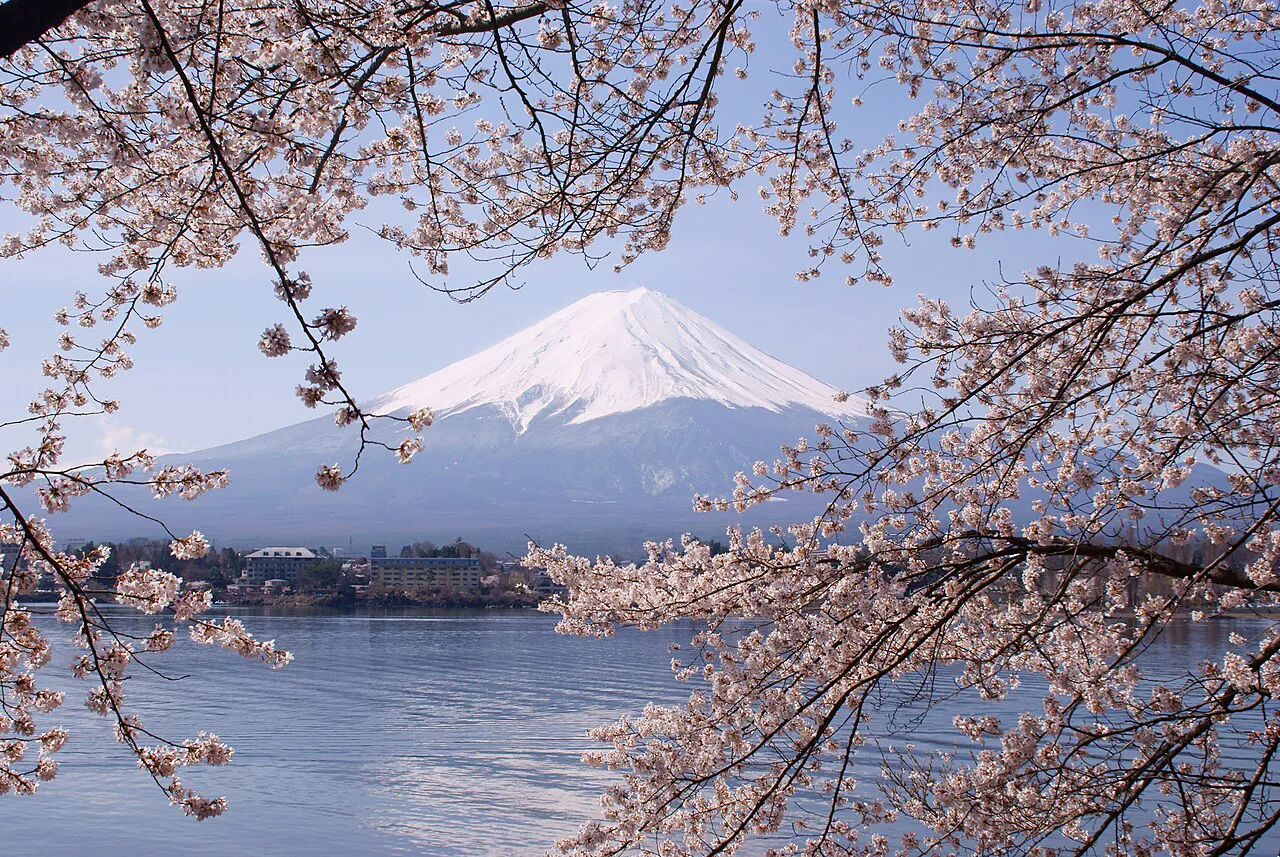
Mount Fuji
Mount Fuji · Fujinomiya / Fujiyoshida / Yamanakako, Yamanashi / Shizuoka Prefectures, Japan
Last updated 2026-10-29
By Global Travel Guide Editorial Team
Introduction
The cone is snow-capped in winter and spring and has long carried religious meaning in both Shinto and Buddhist practice. Fuji last erupted in 1707 but is still classed as active. Four main routes lead up: Yoshida, Subashiri, Gotemba and Fujinomiya. The Yoshida Trail, the most used, starts at the Kawaguchiko Fifth Station around 2,300 metres, and the climb to the summit takes about 5 to 7 hours up and 3 to 4 hours down. Mountain huts charge around 5,000 to 8,000 yen a night with meals, and there is no trail fee. The Fuji Subaru Line toll road costs about 3,000 yen round trip per car. From Tokyo, take the JR Chuo Line to Otsuki and the Fujikyuko Line to Kawaguchiko, about two hours in total, or a highway bus from Shinjuku. Late autumn and early winter often bring the clearest views of a snow-capped peak; the mountain is visible year-round from Hakone and Lake Kawaguchi.
Ticket Price
Climbing: no entry fee for trails; Mountain huts: around 5,000–8,000 yen per night with meals; 5th station: free to visit; Fuji Subaru Line toll road: around 3,000 yen round trip per car. Check the official site before booking.
Opening Hours
Climbing season: early July to mid-September; 5th stations: generally accessible year-round (roads may close in winter); Fuji Subaru Line: mid-April to mid-November. Check the official site before visiting.
Transportation
From Tokyo: JR Chuo Line to Otsuki, then Fujikyuko Line to Kawaguchiko (about 2 hours total); Highway bus from Shinjuku to Kawaguchiko or 5th station (about 2 hours); Shinkansen to Mishima then bus; By car: about 2 hours from Tokyo via Tomei/Chuo Expressway.
Best Season
Climbing: July 1–mid-September (official season); Best views/photos: late autumn–early winter (Oct–Dec) for clear air and snow on the peak; Spring (Apr–May): cherry blossoms at the base but mountain still snowy; Winter: diamond Fuji at sunrise but very cold.
Pro Tip: Climb only in the official season
Local Tips You'd Only Learn After Visiting
The details official guides skip — save time, avoid crowds, and get better photos.
1
Climb only in the official season The main climbing season is July to early September. Reserve a mountain hut if you plan to stay overnight and check the weather and trail conditions before setting out.
Member-Only Tips
Upgrade to unlock insider hacks, best photo spots, and crowd timing advice.
Frequently Asked Questions3 questions
The official climbing season is July-September, when huts and rescue services operate. Climbing outside the season is dangerous and strongly discouraged.
Yes on clear days, especially from high floors and the west side of the city. Kawaguchiko and Hakone give much closer views.
Yes. Huts fill up in summer and should be booked well ahead; most climbers do the ascent as a two-day trip with an overnight stay.