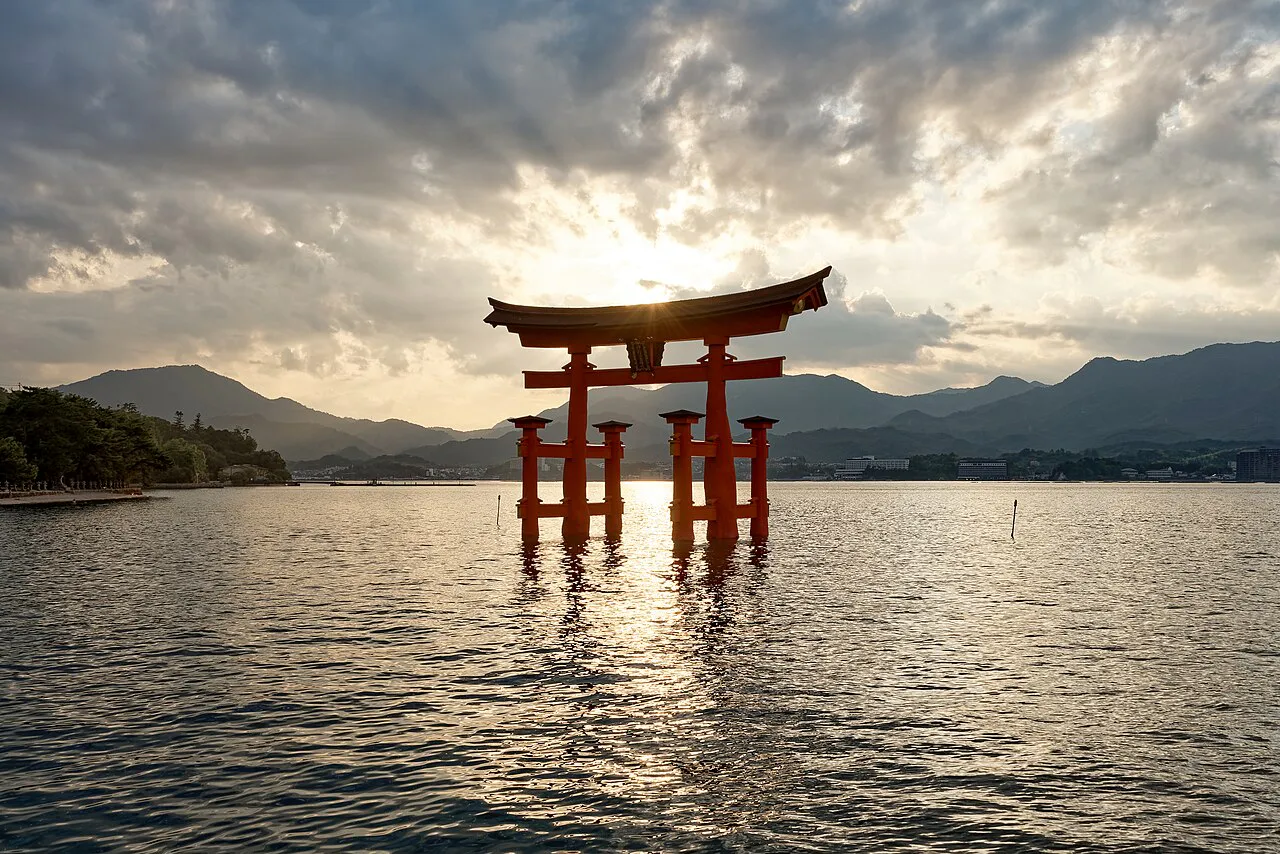
About Japan
Japan is an island country in East Asia, with Tokyo as its capital. Its four main islands and many smaller ones stretch from subarctic Hokkaido to subtropical Okinawa, so climate and scenery vary greatly by region. Tokyo combines dense neighbourhoods, museums and transport hubs; Kyoto is known for temples, gardens and traditional districts; Osaka has a strong food and nightlife culture. Outside the major cities, travellers can visit the Japanese Alps, national parks, hot-spring towns and coastal islands. Rail is the backbone of most itineraries, with shinkansen services linking major regions and local lines reaching smaller destinations. Cherry blossom in spring and autumn foliage are popular, but each season has different attractions: summer festivals and hiking, winter skiing and snow scenery. Many attractions have timed entry or reservation systems, and some rural areas require advance planning. Check official tourism and transport information for opening hours, rail passes and local etiquette before travelling.
Quick Facts
Japan at a Glance
🏛️
Capital
Tokyo
🗣️
Language
Japanese
💰
Currency
JPY / Japanese Yen
⏰
Time Zone
UTC+9
🔌
Voltage & Plug
100V, Type A & B
📞
Dialing Code
+81
👥
Population
~124 million, 2024
🌤️
Best Time To Visit
Mar–Apr & Nov
Best Time to Visit
When to Visit Japan
High Season (Late March-early April cherry blossom, mid-November-early December autumn foliage, late July-August summer): Two peak windows bookend the year. Cherry blossom season (late March to early April, varies by region) sees hotel rates surge 50-100% and popular viewing spots packed. Autumn foliage (mid-November to early December) is similarly popular but slightly less crowded. Summer (July-August) is hot and humid (30-35 C) but coincides with Obon holidays and summer festivals. Shoulder Season (April after cherry blossoms, May, early June, October): Excellent weather (15-25 C), manageable crowds, and normal pricing. May and October are considered the sweet spot for most regions: comfortable walking temperatures, fewer tourists, and seasonal food highlights. Early June has some rain (tsuyu / plum rain) in southern and central Japan. Low Season (January-February, mid-June to mid-July, December before Christmas): Winter (Jan-Feb) is cold (5-12 C in most cities, heavy snow in Hokkaido and mountain areas) but has the lowest prices, uncrowded temples, and is ideal for skiing and hot springs. Mid-June to mid-July is the rainy season (tsuyu) - humid and wet, but the cheapest time to visit cities.
Visa Information
Visa Policy for Japan
Entry rules for Japan depend on your passport. We track visa-free stays, e-visas and visa-on-arrival rules for US & Canadian, EU & UK, Chinese, and Australian & Japanese passports — with official sources and last-verified dates.
Visa policies are subject to official sources. Please verify with the embassy/consulate before travel.
Budget Reference
Travel Budget for Japan
Budget: $60-100/day (capsule hotel or hostel dorm 3,000-6,000 JPY, convenience store and ramen shops 2,000-3,000 JPY, subway/JR local trains 1,000-1,500 JPY, free temples + 1 paid attraction 1,000-2,000 JPY) Mid-Range: $150-280/day (3-star business hotel or budget ryokan 8,000-15,000 JPY, casual dining and izakaya 4,000-7,000 JPY, JR pass or regional rail 3,000-6,000 JPY, attractions and experiences 2,000-5,000 JPY) Luxury: $350-700+/day (4-5 star hotel or premium ryokan with onsen 20,000-45,000 JPY, kaiseki or fine dining 8,000-20,000 JPY, private car or first-class rail 8,000-15,000 JPY, exclusive experiences 5,000-15,000 JPY) Per person per day in USD, excluding international flights. Tokyo and Osaka are the most expensive; rural areas and smaller cities can be 20-30% cheaper. A JR Pass can save significant money on multi-city itineraries if booked in advance.
Prices are per person per day in USD, excluding international flights.
TOP ATTRACTIONS
Must-Visit Attractions
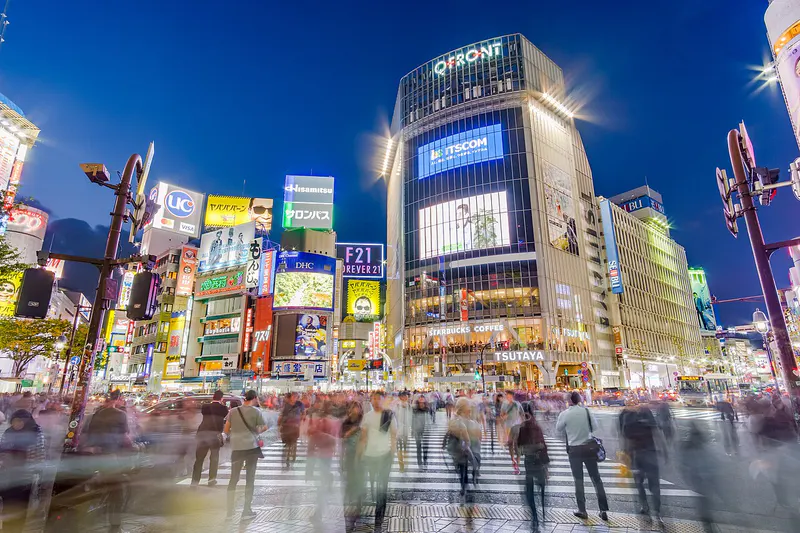
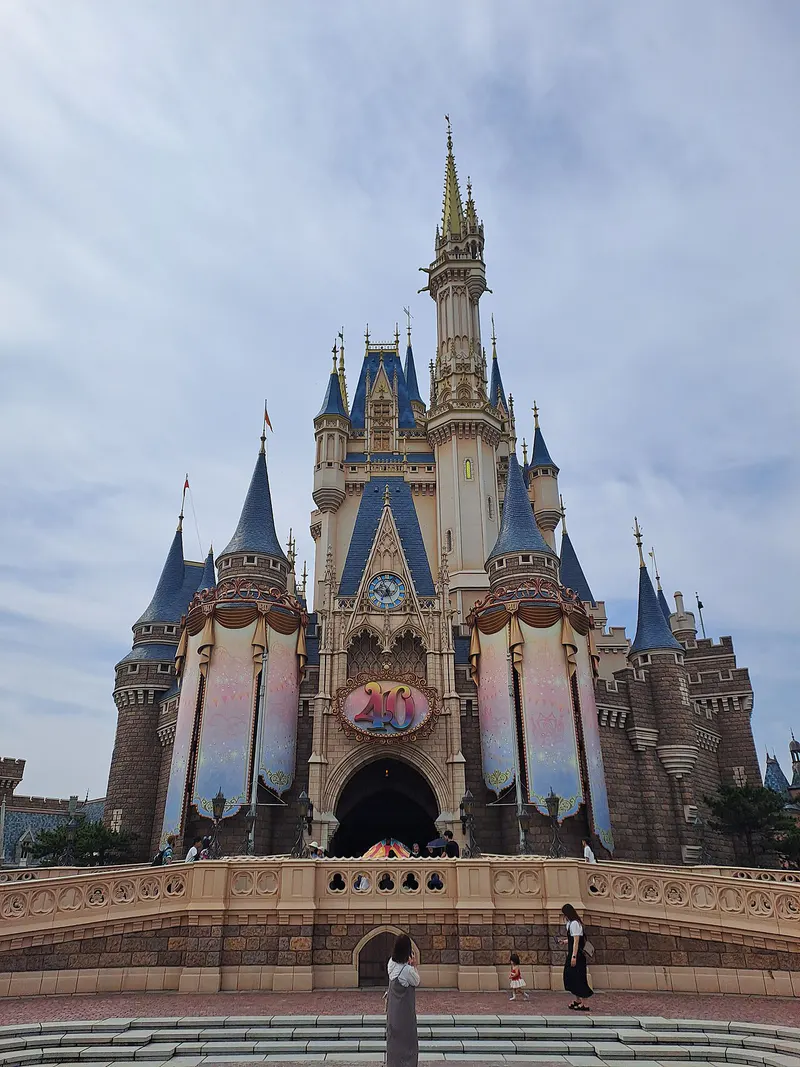
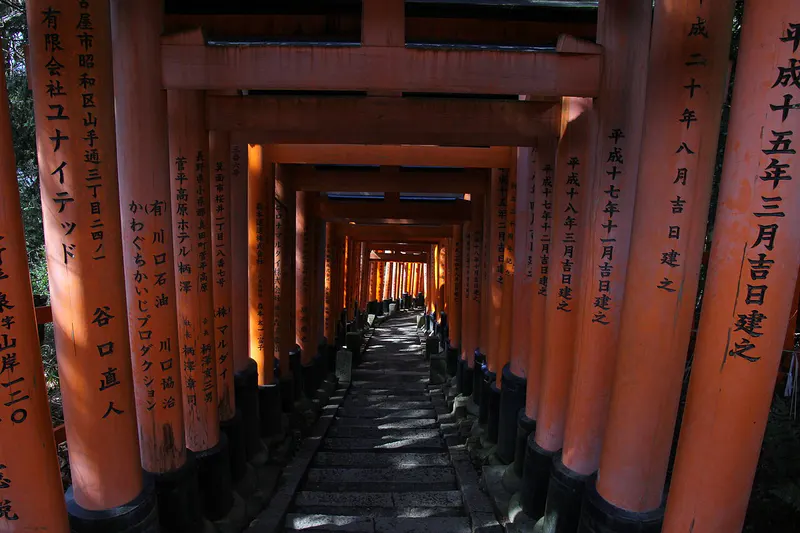
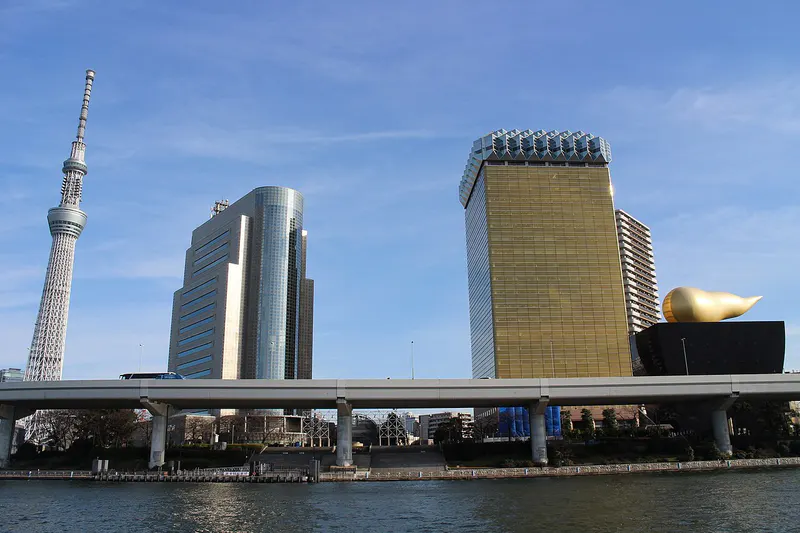
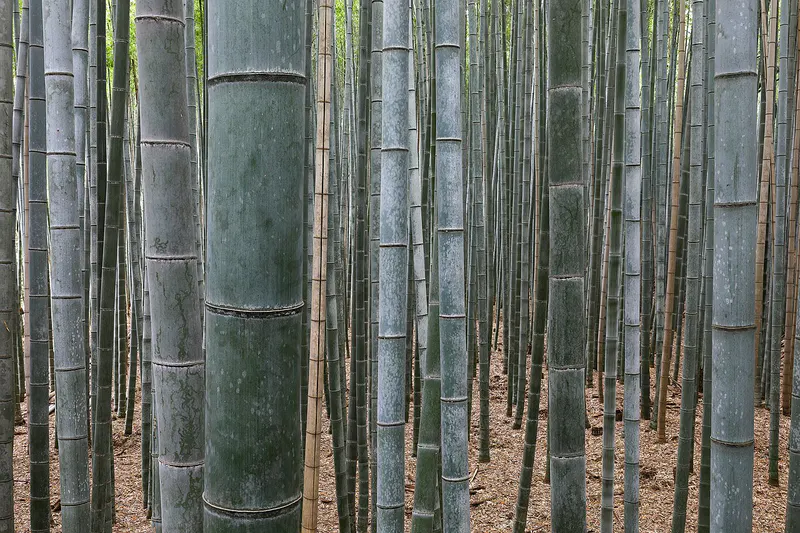
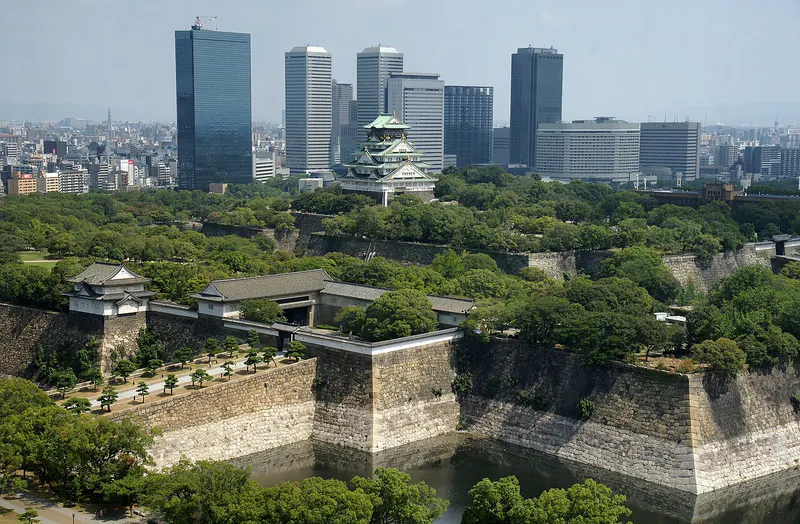
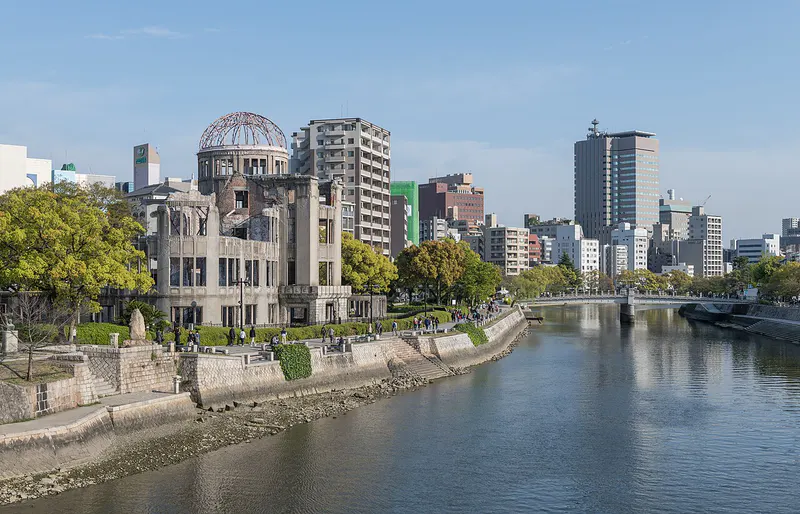
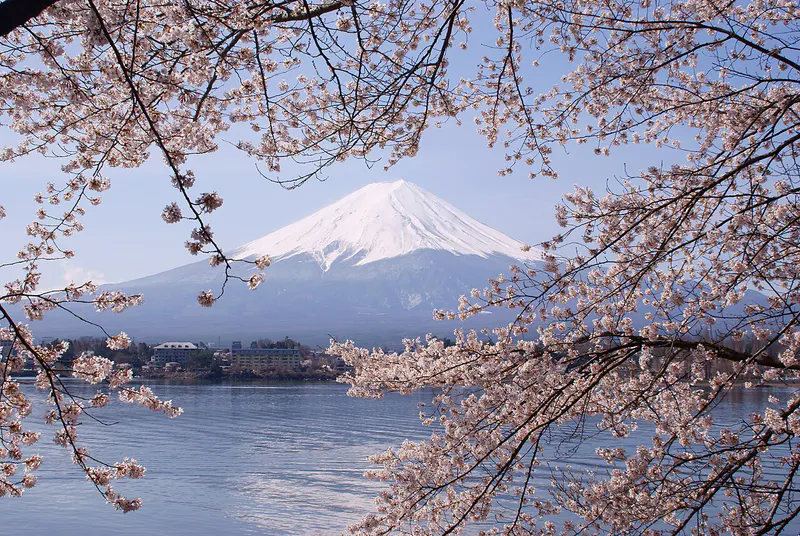
TRAVEL GUIDES
Travel Guides for Japan
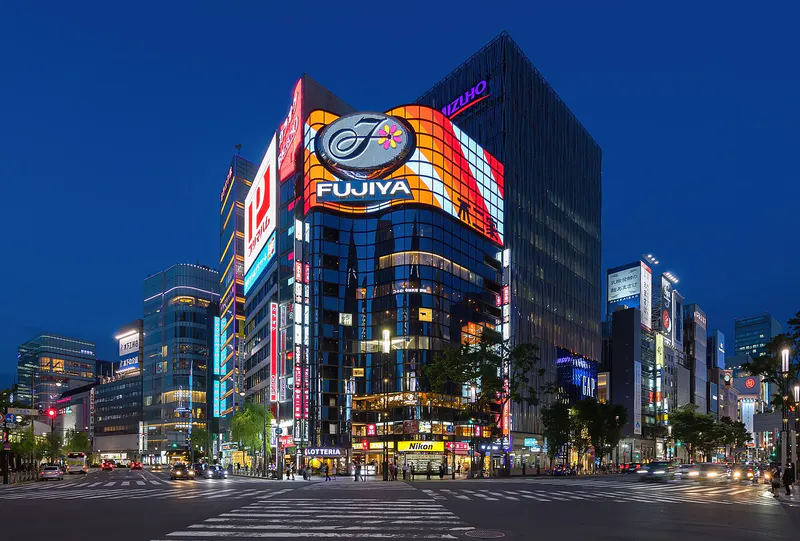
5 Days
Japan Shopping Trip: Tokyo to Osaka in 5 Days
💰 Shopping · approx. $1,500–2,240 (≈ €1,300–1,950), excl. int'l flights
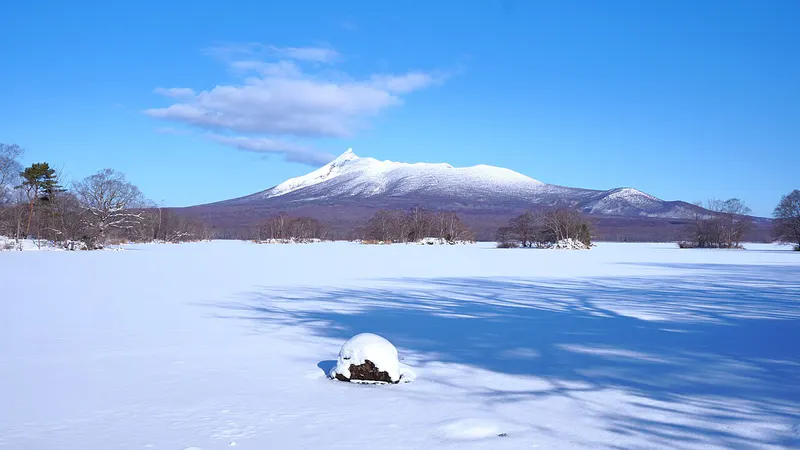
6 Days
Hokkaido in Winter: Sapporo, Otaru, Furano & Biei Snowscape in 6 Days
💰 Comfort · approx. $1,940–2,840 (≈ €1,690–2,470), excl. int'l flights
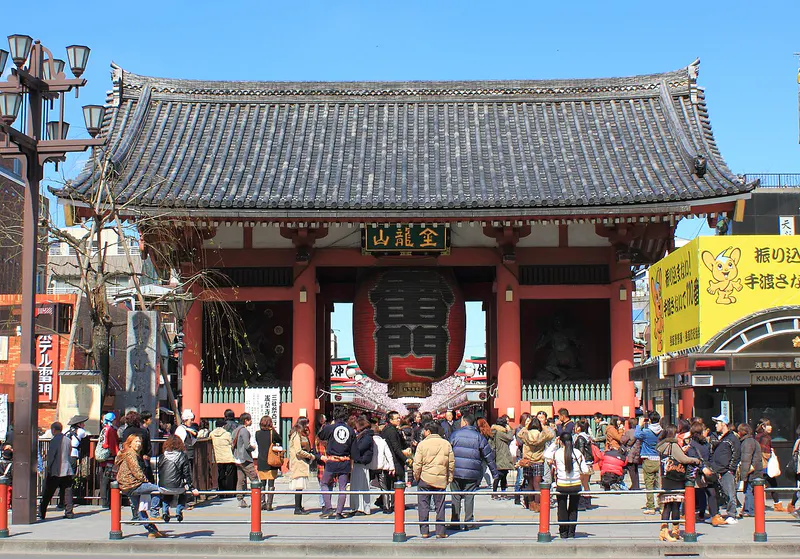
5 Days
Tokyo City Deep-Dive: Asakusa, Shibuya, Harajuku & Ginza in 5 Days
💰 Comfort · approx. $1,350–1,940 (≈ €1,170–1,690), excl. int'l flights
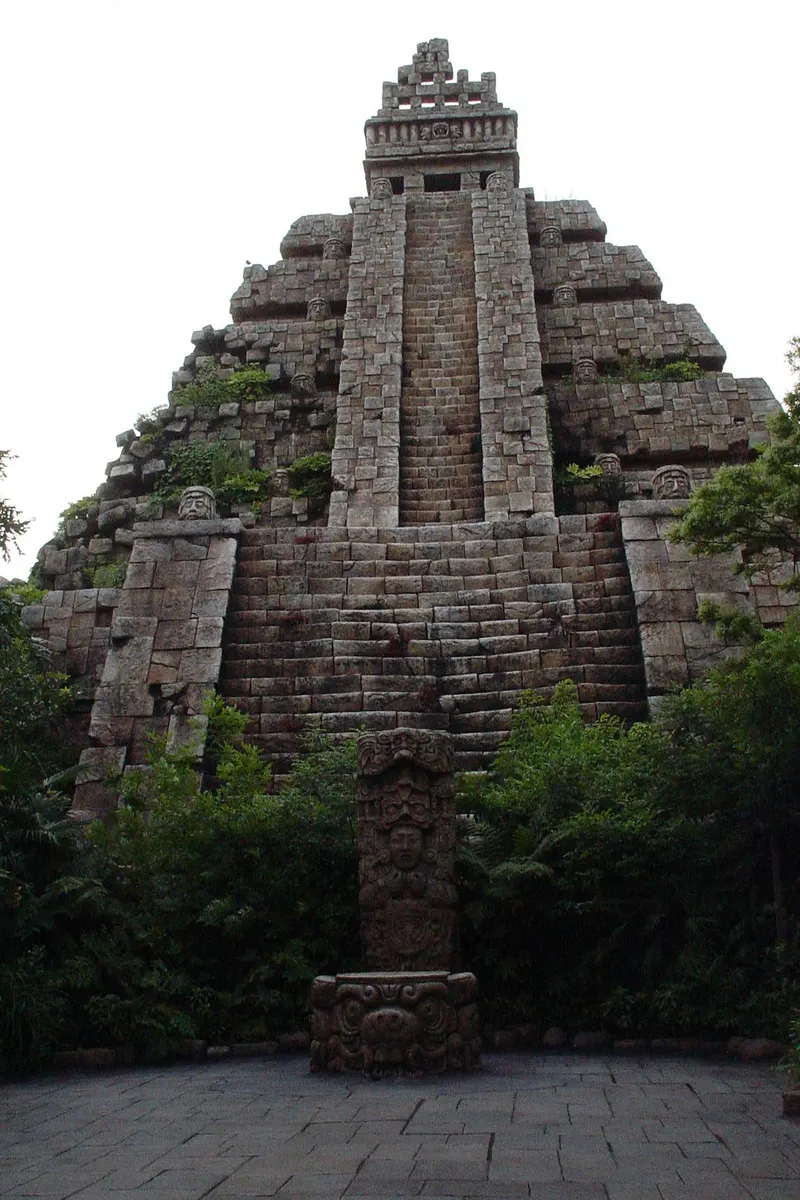
6 Days
Japan Family Parks: Tokyo Disneyland, DisneySea & Osaka in 6 Days
💰 Family · approx. $1,640–2,390 (≈ €1,430–2,080), excl. int'l flights
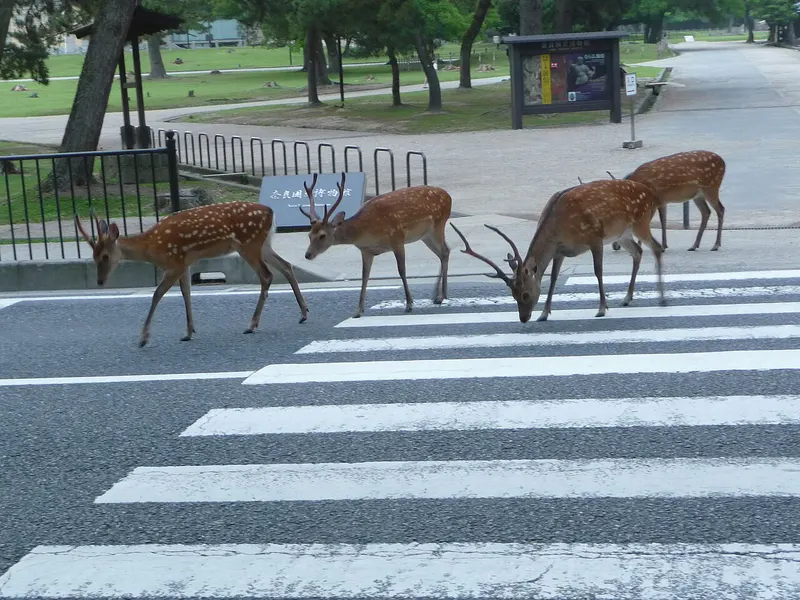
5 Days
Kyoto & Nara Unhurried: Temples, Geisha Lanes and Friendly Deer in 5 Days
💰 Comfort · approx. $1,200–1,790 (≈ €1,040–1,560), excl. int'l flights
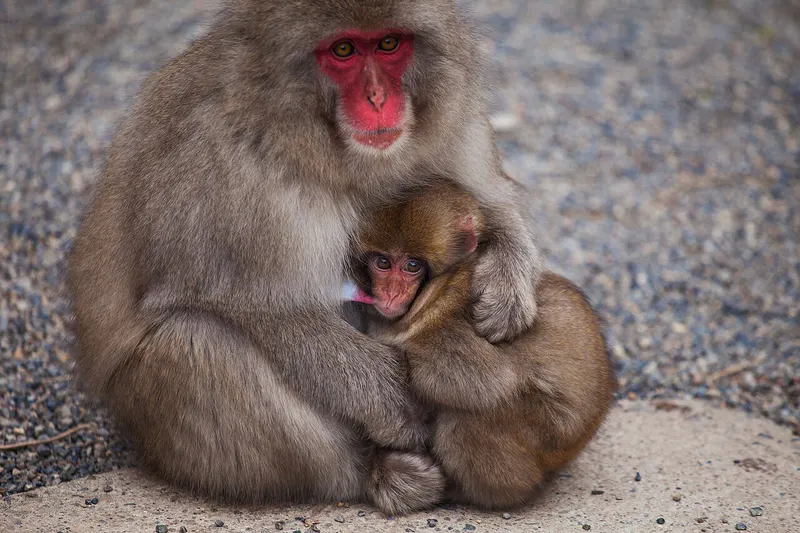
6 Days
Japan Onsen & Winter Escape: Tokyo Surrounds or the Hokuriku Hot-Spring Belt in 6 Days
💰 Comfort · approx. $1,790–2,690 (≈ €1,560–2,340), excl. int'l flights
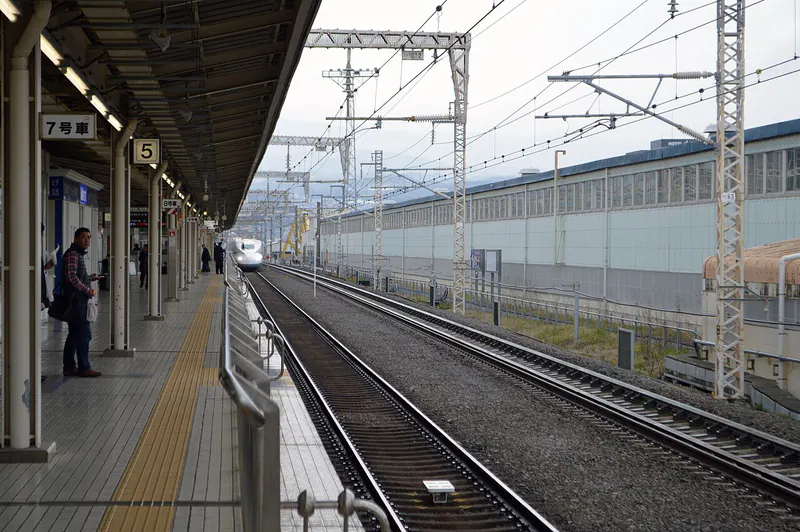
7 Days
Japan by Shinkansen: Tokyo, Kyoto & Hiroshima Rail Journey in 7 Days
💰 Comfort · approx. $1,790–2,690 (≈ €1,560–2,340), excl. int'l flights
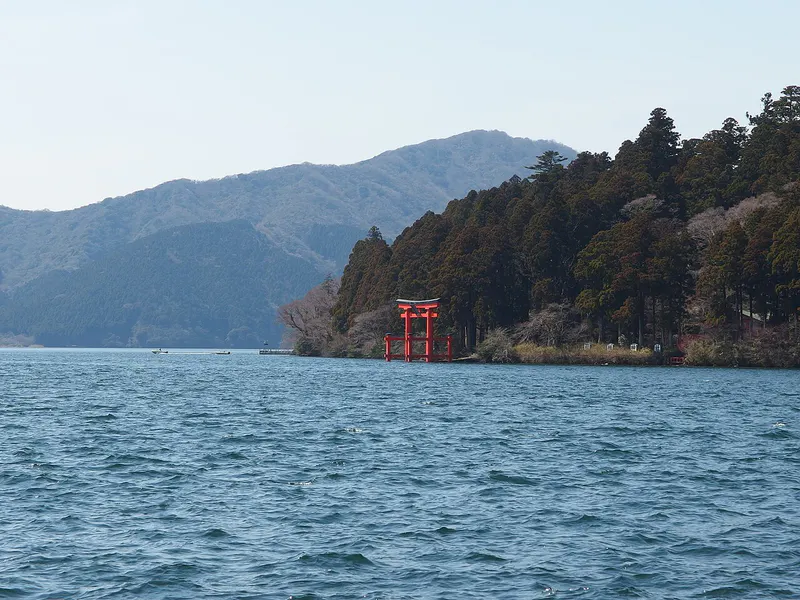
6 Days
Japan Nature Route: Mount Fuji, Hakone & Arashiyama in 6 Days
💰 Comfort · approx. $1,640–2,390 (≈ €1,430–2,080), excl. int'l flights
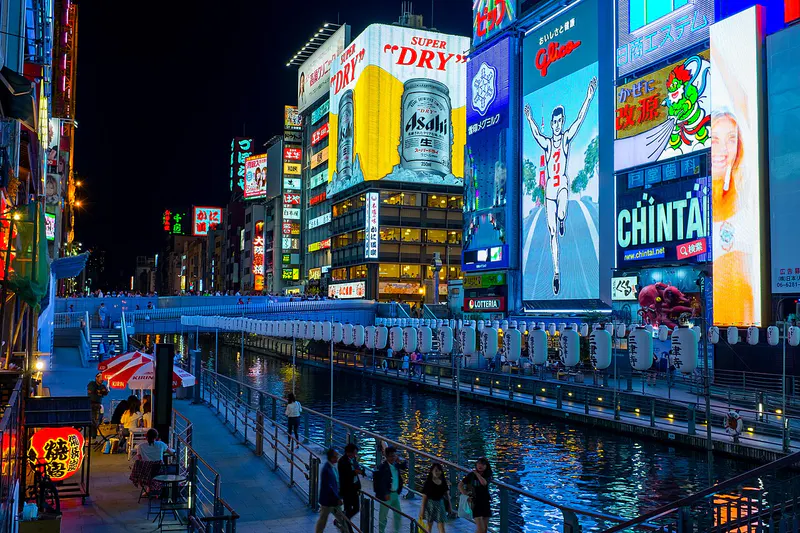
5 Days
Osaka & Kyoto Food Trip: Dotonbori, Kuromon Market and Nishiki Market in 5 Days
💰 Foodie · approx. $1,200–1,790 (≈ €1,040–1,560), excl. int'l flights
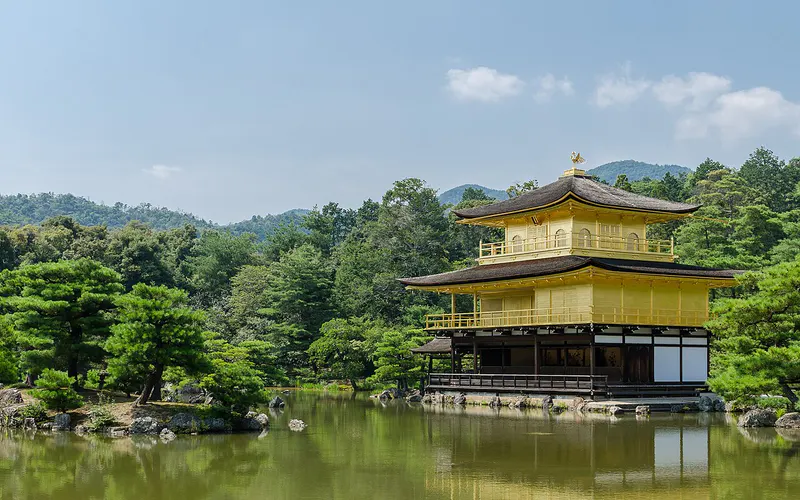
8 Days
Japan Classic Highlights: Tokyo, Kyoto & Osaka in 8 Days
💰 Comfort · approx. $1,790–2,690 (≈ €1,560–2,340), excl. int'l flights
MORE DESTINATIONS
Other Countries in Asia
FAQ
Frequently Asked Questions about Japan
Travel FAQ
Are credit cards widely accepted in Japan?+
Cards are accepted at many hotels, department stores and larger restaurants, but Japan is still cash-friendly. Small shops, temples and rural businesses may be cash-only, so carry some yen and use 7-Eleven or post office ATMs for foreign cards.
Is the Japan Rail Pass worth buying?+
The Japan Rail Pass covers unlimited JR trains, including most Shinkansen services, but not Nozomi or Mizuho. Buy it online or as an exchange order before travel, and compare the pass price with your actual route.
Can I use Suica or Pasmo in Tokyo?+
Yes. Suica and Pasmo work on trains, buses and some ferries in the Tokyo area. Cards require a deposit, can be topped up, and the deposit is refundable when you return the card.
Do I need to speak Japanese to travel in Japan?+
English is common in major cities, tourist areas, stations and hotels, but not guaranteed everywhere. Translation apps and bilingual signs help; learning basic greetings is appreciated. (JNTO FAQ: Do I need to speak Japanese?)
Can I send my luggage between Japanese cities?+
Yes. Use takkyubin (courier) to send suitcases between hotels or airports, usually next day. Keep valuables with you and confirm the delivery date.