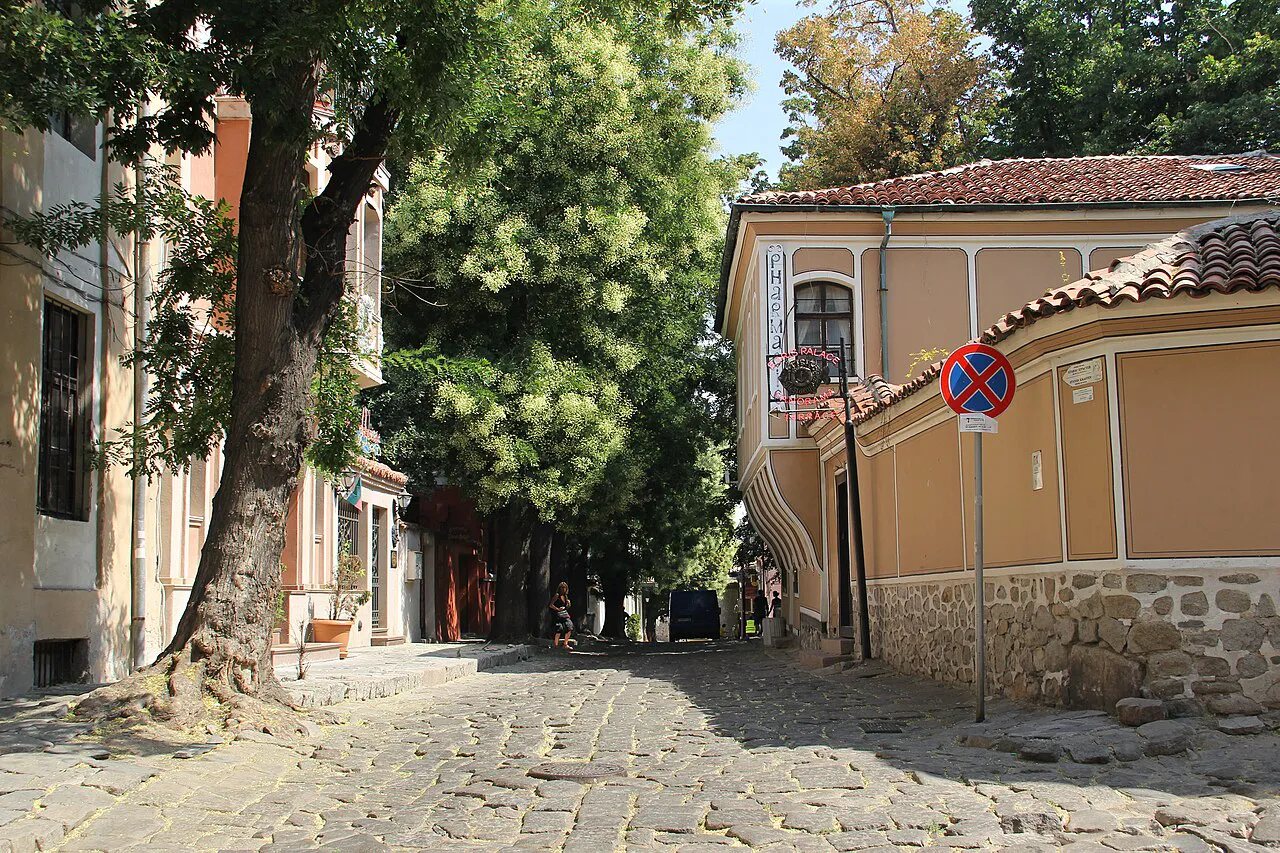
Plovdiv Old Town
Plovdiv Old Town
Last updated 2026-10-30
By Global Travel Guide Editorial Team
Introduction
The city began as Philippopolis; the Roman theatre was rediscovered in the 1970s and seats about 7,000. The Old Town's cobbled lanes are lined with Revival-era houses, some open as museums. Below, Kapana is the creative quarter with cafes and galleries. The old town is free to walk; museums charge small fees. It is a 15-minute walk from the railway station.
Ticket Price
Free to walk around the old town; the Roman theatre is free, while museums charge separate admission.
Opening Hours
The streets and squares are public and open 24 hours. The Roman theatre and house museums set their own opening hours; check the official site before visiting.
Transportation
Plovdiv railway station is a 15-minute walk or short bus ride to the old town; the airport is 20 minutes by taxi.
Best Season
In Bulgaria, visit Plovdiv Old Town in May-Jun or Sep-Oct; winters are cold.
Pro Tip: Walk the old town and Roman theatre
Local Tips You'd Only Learn After Visiting
The details official guides skip — save time, avoid crowds, and get better photos.
1
Walk the old town and Roman theatre The cobbled lanes, houses and ancient theatre are close together. Start at the Roman theatre, then wander toward the ethnographic museum.
Member-Only Tips
Upgrade to unlock insider hacks, best photo spots, and crowd timing advice.
Frequently Asked Questions3 questions
It is a 2nd-century Roman theatre built into the hillside, with about 7,000 seats, still used for performances. It was rediscovered in the 1970s.
The Roman theatre, the colourful Revival-era houses, the ancient stadium and the Nebet Tepe hill. The old town is compact and walkable.
It is one of Europe's oldest continuously inhabited cities, with Roman, Ottoman and Revival-era layers, and was a European Capital of Culture in 2019. It is quieter than Sofia.