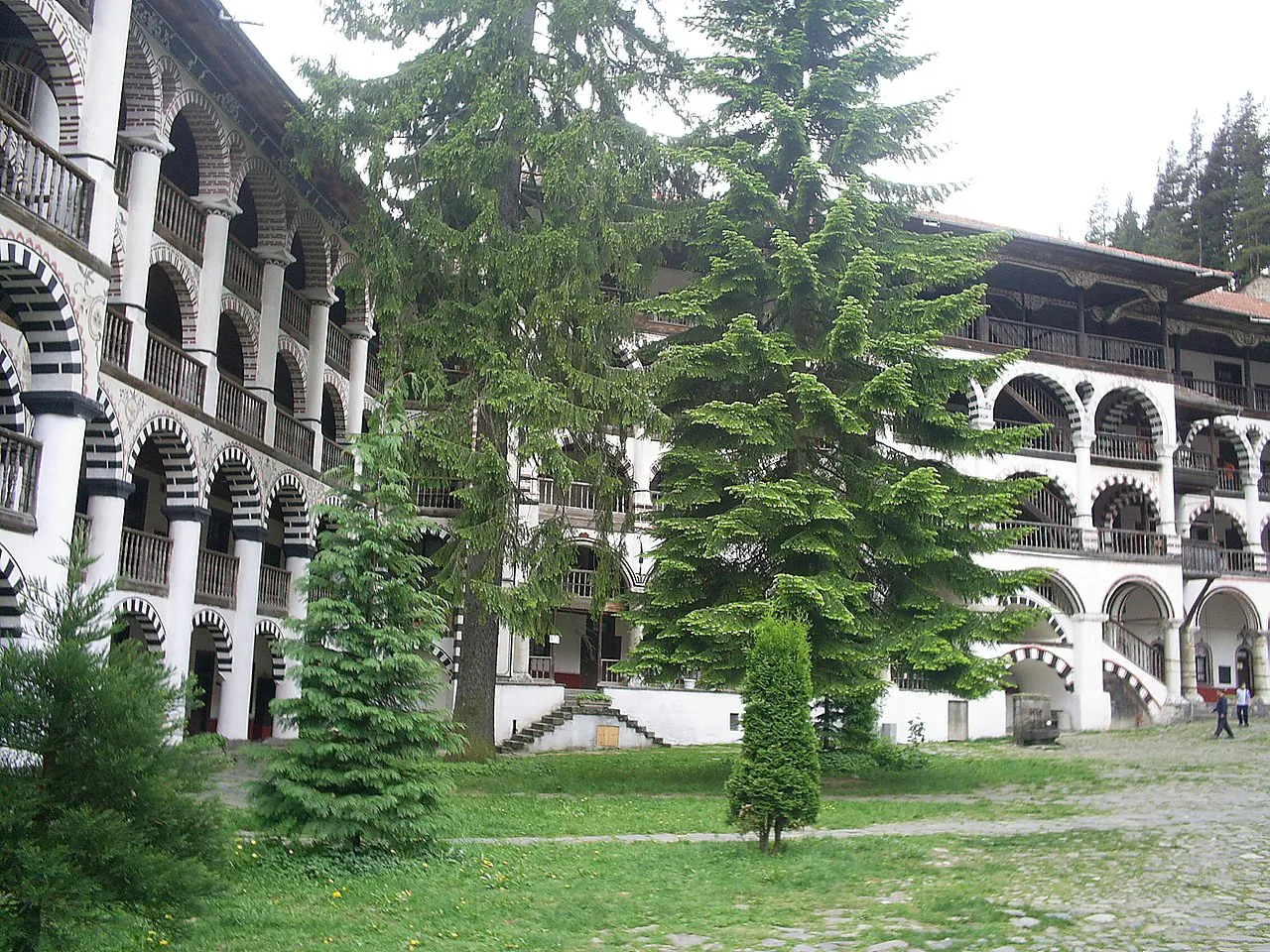
About Bulgaria
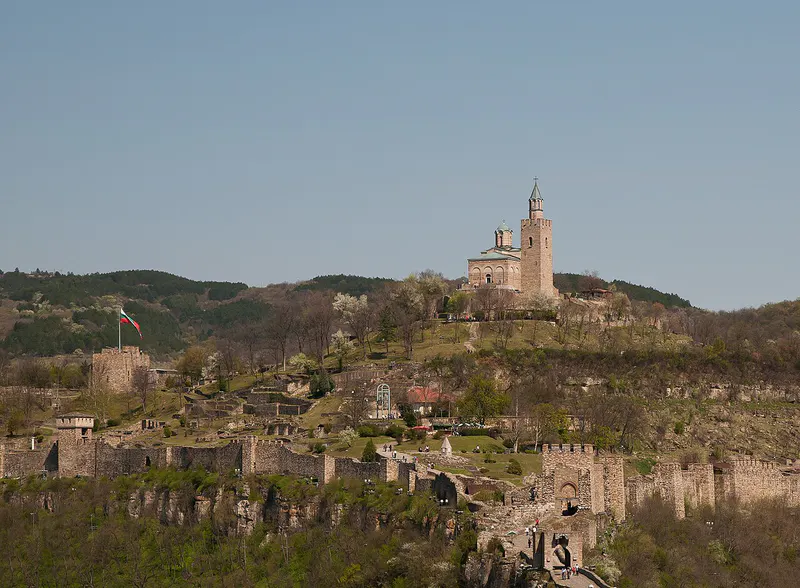
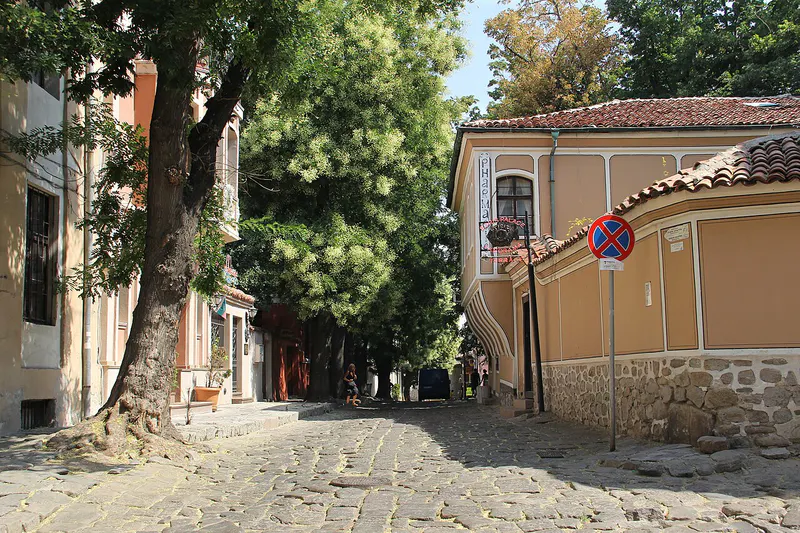
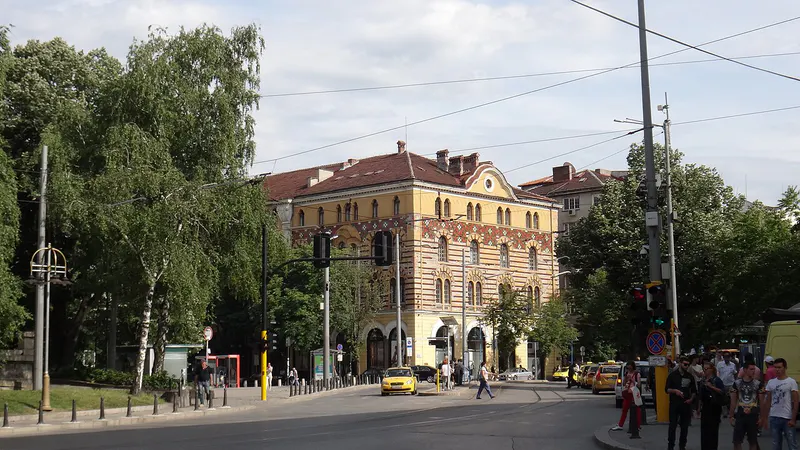
Sofia stacks Roman Serdica, the Alexander Nevsky Cathedral and Ottoman-era mosques within a few blocks, and Vitosha mountain stands at the end of the main boulevard. Plovdiv, southeast of the capital, claims one of Europe's oldest continuously inhabited cities and keeps a restored old town around a Roman theatre; Veliko Tarnovo, the medieval capital, climbs above a bend in the Yantra. South of Sofia, Rila Monastery sits in the mountains with the Seven Rila Lakes trail nearby, while Pirin and Bansko cover the winter slopes. The Black Sea coast runs from Sunny Beach to Sozopol and Nesebar, and the Valley of Roses around Kazanlak blooms in late May and June. Buses and marshrutkas reach most towns, and a car helps in the mountains; Sofia's metro and trams are cheap. Shopska salad, banitsa and grilled meats fill the mehanas, and a fixed lunch costs little. Budget days run $35–55, mid-range $60–100 and luxury from $150, among the lowest rates in Europe. May, June, September and October bring 15–25°C weather and fewer visitors, while July and August are hottest and busiest on the coast. Winter centres on ski resorts from December to March. Late spring and early autumn suit both cities and mountains.
Quick Facts
Bulgaria at a Glance
🏛️
Capital
Sofia
🗣️
Language
Bulgarian
💰
Currency
EUR / Euro
⏰
Time Zone
UTC+2 (UTC+3 DST)
🔌
Voltage & Plug
230V, Type C & F
📞
Dialing Code
+359
👥
Population
~6.7 million, 2024
🌤️
Best Time To Visit
Jun–Aug
Best Time to Visit
When to Visit Bulgaria
High Season (June–August) Summer is peak season with temperatures of 25–30°C. Black Sea resorts are busiest from July to August, with the warmest sea water. Mountain areas like Bansko attract hikers and nature lovers. Prices are highest during July and August. Shoulder Season (May, September–October) The best time to visit Bulgaria. Pleasant weather (15–25°C), fewer crowds, and lower prices. Spring brings wildflowers and autumn offers colorful foliage. Ideal for exploring historic cities like Plovdiv and Veliko Tarnovo. Low Season (November–March) Cold with temperatures from 0°C to 5°C on the coast and -5°C to 0°C inland. Winter is ski season in Bansko and Borovets. Most coastal resorts are closed. Budget travelers can find very low hotel prices in cities.
Visa Information
Visa Policy for Bulgaria
Entry rules for Bulgaria depend on your passport. We track visa-free stays, e-visas and visa-on-arrival rules for US & Canadian, EU & UK, Chinese, and Australian & Japanese passports — with official sources and last-verified dates.
Visa policies are subject to official sources. Please verify with the embassy/consulate before travel.
Budget Reference
Travel Budget for Bulgaria
Budget ($35–$55/day) Stay in hostels or guesthouses. Eat at inexpensive mehanas (traditional taverns) and street food. Use public buses and marshrutkas for transport. Free walking tours and hiking in the mountains. One of the most affordable countries in Europe. Mid-Range ($60–$100/day) Stay in mid-range hotels or family-run guesthouses. Eat at decent restaurants and seafood places along the coast. Rent a car to explore the coast and mountains. Thermal spa visits and day trips to historic sites. Excellent value compared to Western Europe. Luxury ($150+/day) Stay in 4–5 star beach resorts or boutique spa hotels. Fine dining at upscale restaurants. Private transfers and guided tours. Luxury Black Sea resorts, premium ski chalets in Bansko, and private wine tastings in the Thracian Valley. Per person per day in USD, excluding international flights.
Prices are per person per day in USD, excluding international flights.
TOP ATTRACTIONS
Must-Visit Attractions
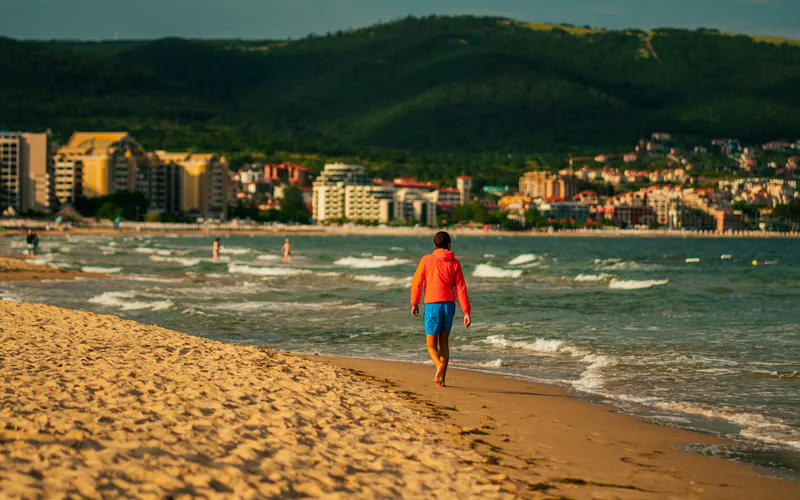
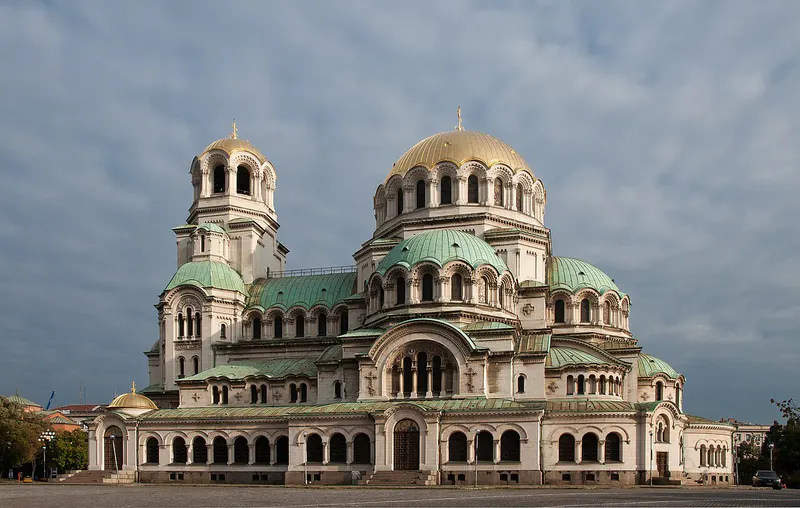
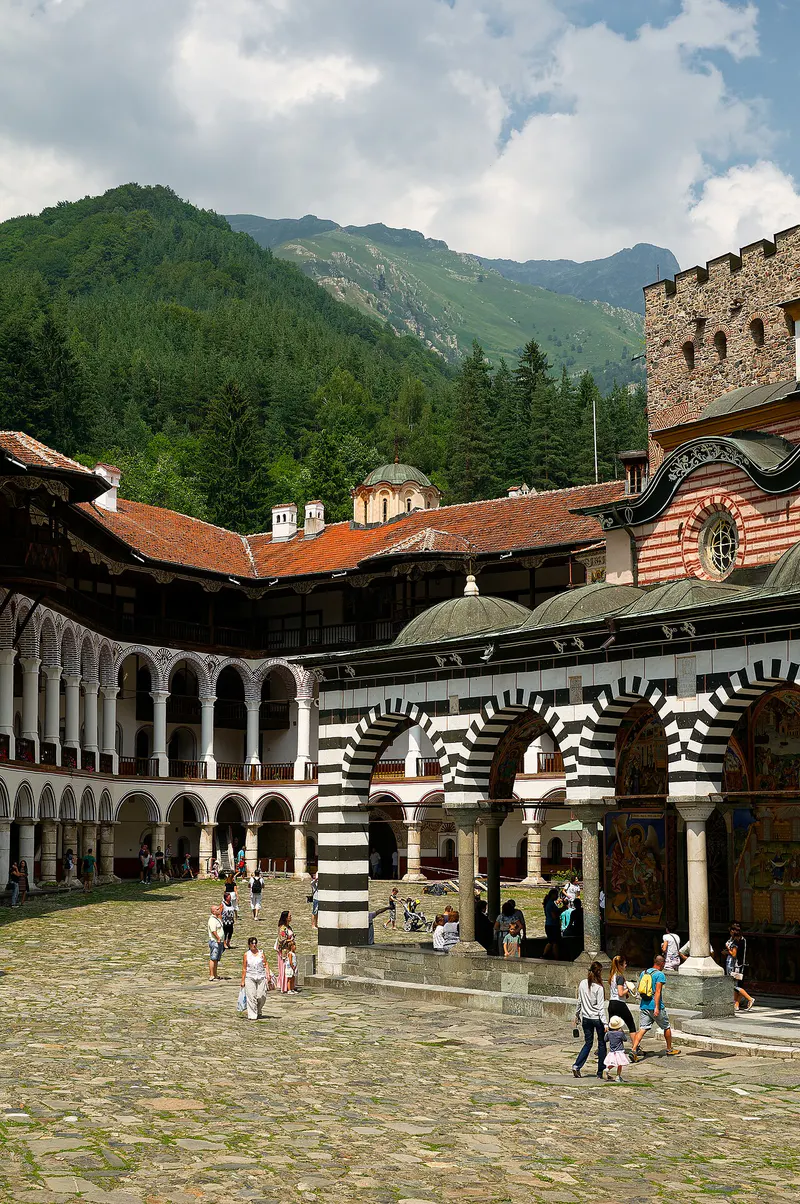
TRAVEL GUIDES
Travel Guides for Bulgaria
8 Days
Bulgaria Grand Tour: Sofia, Rila Monastery & Plovdiv in 8 Days
💰 Budget · approx. $1,500–2,240 (≈ €1,300–1,950), excl. int'l flights
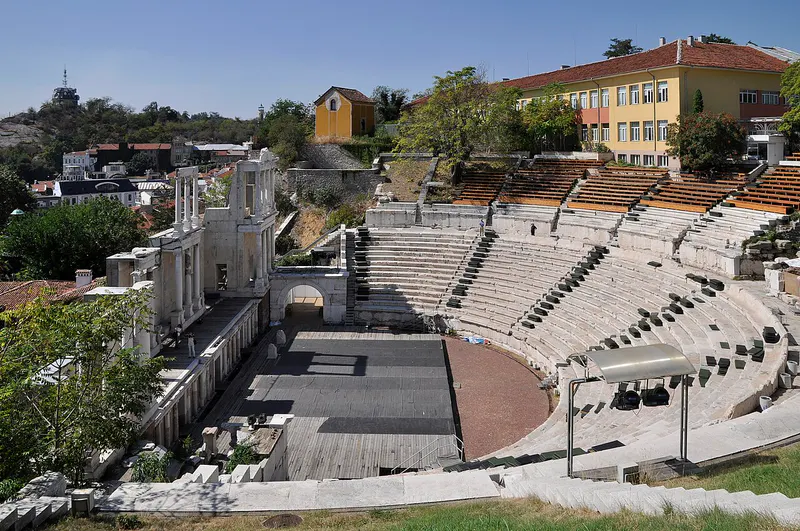
5 Days
Bulgaria's Old Towns: Veliko Tarnovo & Plovdiv in 5 Days
💰 Budget · approx. $1,050–1,640 (≈ €910–1,430), excl. int'l flights
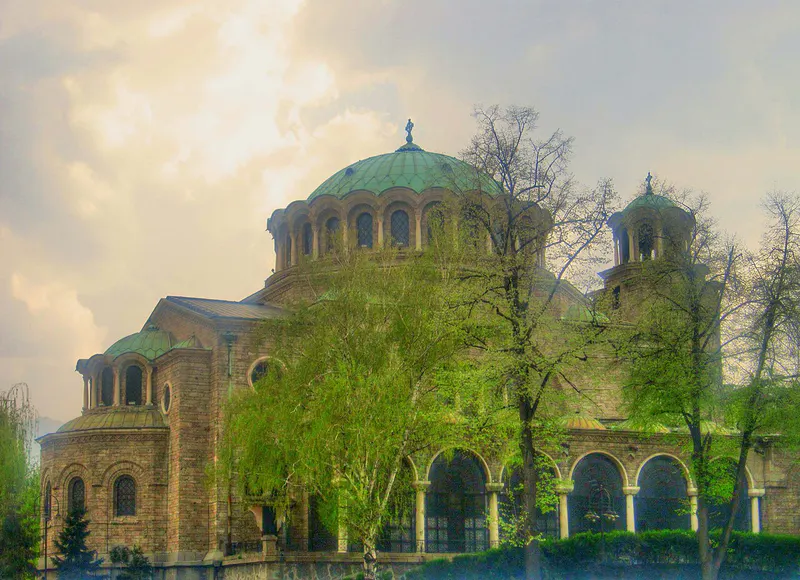
5 Days
Sofia City Deep-Dive: Five Days in the Orthodox Capital
💰 Budget · approx. $900–1,350 (≈ €780–1,170), excl. int'l flights
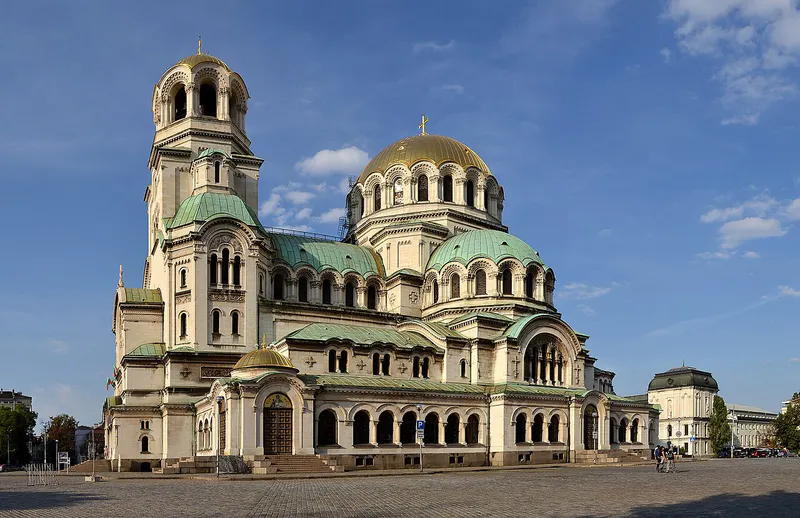
5 Days
Bulgaria Sacred Route: Rila Monastery & Alexander Nevsky in 5 Days
💰 Budget · approx. $1,050–1,640 (≈ €910–1,430), excl. int'l flights
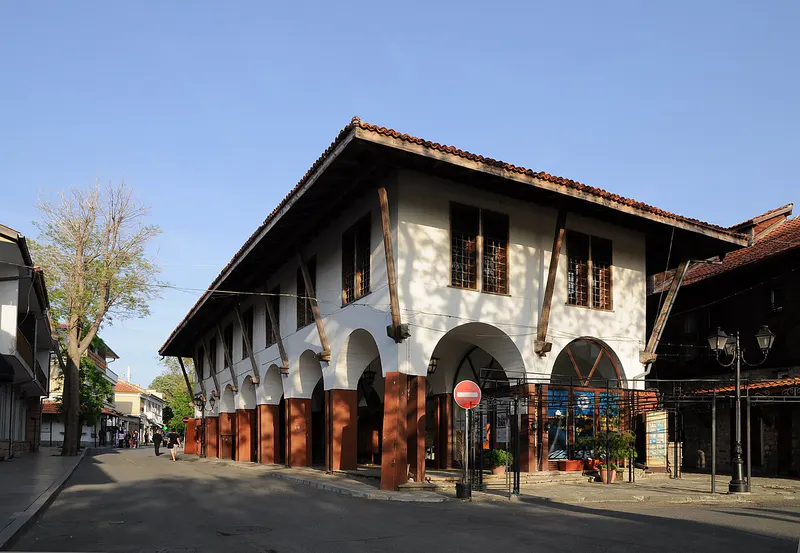
6 Days
Bulgarian Black Sea: Sunny Beach & Nessebar in 6 Days
💰 Budget · approx. $1,200–1,790 (≈ €1,040–1,560), excl. int'l flights
6 Days
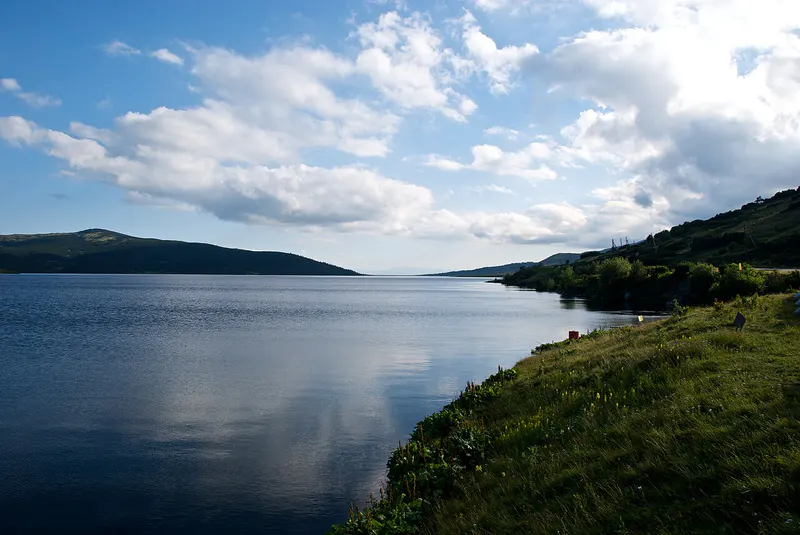
Bulgaria Hidden Gems: Rose Valley & Seven Rila Lakes in 6 Days
💰 Budget · approx. $1,200–1,790 (≈ €1,040–1,560), excl. int'l flights
MORE DESTINATIONS
Other Countries in Europe
FAQ
Frequently Asked Questions about Bulgaria
Travel FAQ
How do I get from Sofia to Rila Monastery?+
Take a direct bus or a private driver; the trip takes about two hours each way. Check the return schedule before leaving, as services are limited. (Bulgaria Tourism / Rila Monastery)
Is Plovdiv Old Town walkable?+
Yes. The old town, Roman theatre and Kapana district are compact and best explored on foot. Wear shoes for cobblestones and steep lanes. (Bulgaria Tourism / Plovdiv tourism)
What food should I try in Bulgaria?+
Look for banitsa, shopska salad, grilled meats and Bulgarian yogurt. Traditional taverns offer better value than tourist-menu squares. (Bulgaria Tourism food information)
Do I need cash in Bulgaria?+
Cards are common in cities, but some small shops, markets and rural guesthouses prefer cash. Carry some lev as backup. (Bulgaria Tourism practical information)