Jeju Island
Jeju Island · Jeju Special Self-Governing Province, South Korea
Last updated 2026-10-30
By Global Travel Guide Editorial Team
Introduction
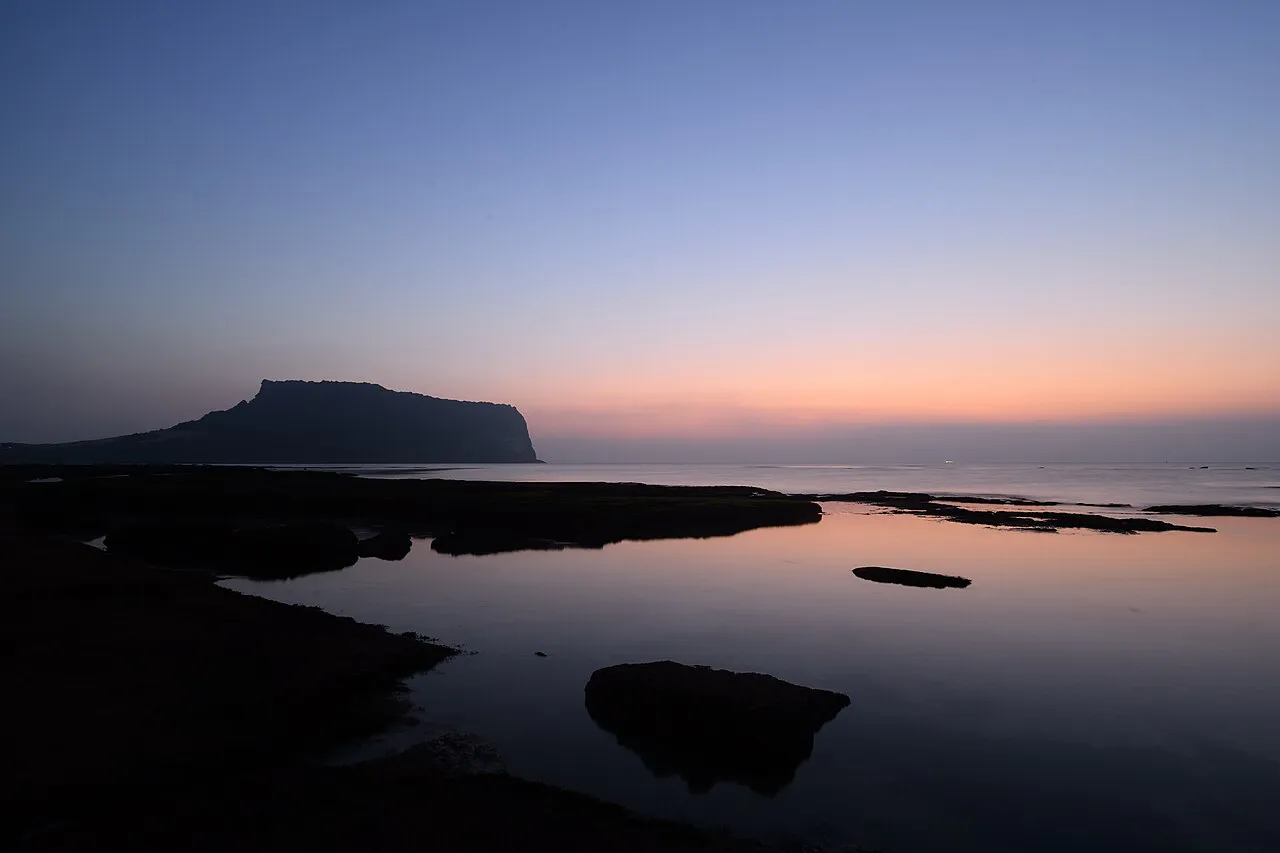
The island formed about two million years ago through volcanic activity, and its lava tube caves, crater lakes, and basalt coast are why UNESCO inscribed it in 2007. Seongsan Ilchulbong, a tuff cone on the east coast, is climbed for sunrise and costs 5,000 KRW; Manjanggul Lava Tube charges 4,000 KRW; Hallasan's trails are free. The haenyeo, Jeju's women free divers, still work the coastal waters. Flights from Seoul Gimpo take about an hour to Jeju International Airport, and there are no trains on the island, so most visitors rent a car at roughly 50,000-100,000 KRW a day. April and May bring cherry and canola blossom; September and October give the best beach weather.
Ticket Price
Seongsan Ilchulbong: 5,000 KRW (≈ USD 3.8) (adult). Manjanggul Lava Tube: 4,000 KRW. Hallasan hiking: free. Waterfalls (Cheonjiyeon, Jeongbang): 2,000-3,000 KRW. Beach parks: free. Udo Island ferry: ~22,000 KRW round trip. Check the official site before booking.
Opening Hours
Natural sites: generally sunrise to sunset. National parks: sunrise to sunset (last entry varies, typically 1-3 hours before sunset). Museums: 9 AM-6 PM. Lava tube: 9 AM-5:30 PM (last entry 5 PM). Beaches: open 24 hours. Check the official site before visiting.
Transportation
Jeju International Airport (CJU) — many flights daily from Seoul Gimpo (1 hr flight) and other Korean cities, plus international flights. Getting around: car rental (most popular, ~50,000-100,000 KRW/day), bus (city and intercity buses cover most sites but are slow), taxi (expensive for the whole island), guided tours. No trains on Jeju.
Best Season
April-May and September-October — mild weather, pleasant temperatures (15-25°C). April is cherry blossom and canola flower season. September has the best beach weather. Summer (June-August) — hot and humid, peak beach season, busy with Korean families. Winter (Dec-Feb) — cold (0-10°C), Hallasan is good for winter hiking, fewer tourists.
Pro Tip: Rent a car or use the bus network
Local Tips You'd Only Learn After Visiting
The details official guides skip — save time, avoid crowds, and get better photos.
1
Rent a car or use the bus network Jeju's sights are spread around the coast. A rental car gives the most flexibility; if you use buses, plan fewer stops and check the route times.
Member-Only Tips
Upgrade to unlock insider hacks, best photo spots, and crowd timing advice.
Frequently Asked Questions3 questions
Hallasan (1,950 m; summit trails need a reservation), Seongsan Ilchulbong sunrise peak, Manjanggul lava tube and the Cheonjiyeon waterfall. Pick by coast and weather.
Black pork barbecue, abalone, seafood stew and Jeju tangerines; the haenyeo divers also sell fresh catch. Look for local restaurants away from the main tourist strips.
April-June and September-October for mild weather; July-August is peak season with higher prices, and winter is cold and windy.