About South Korea
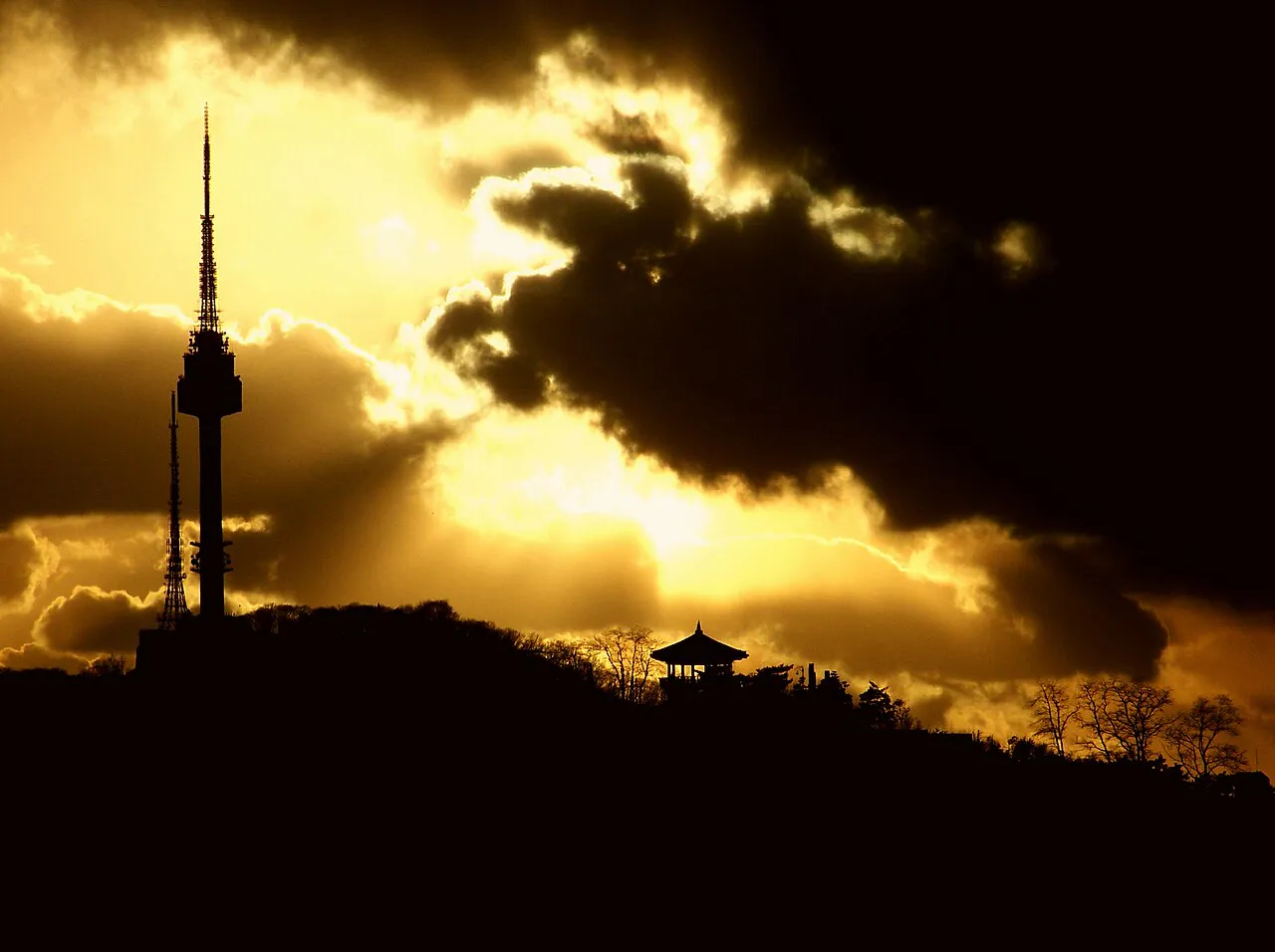
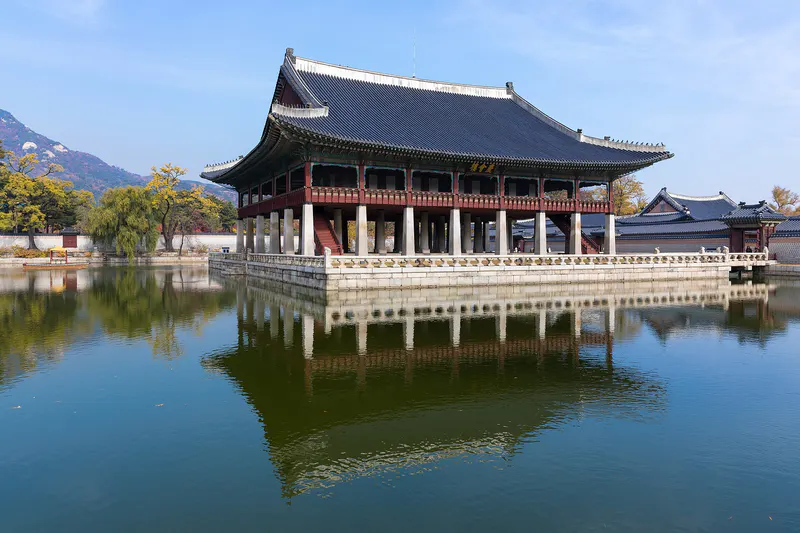
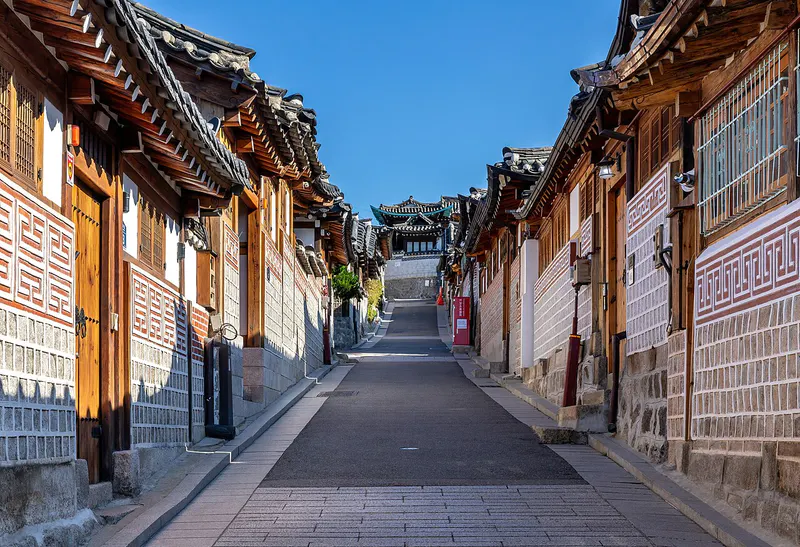
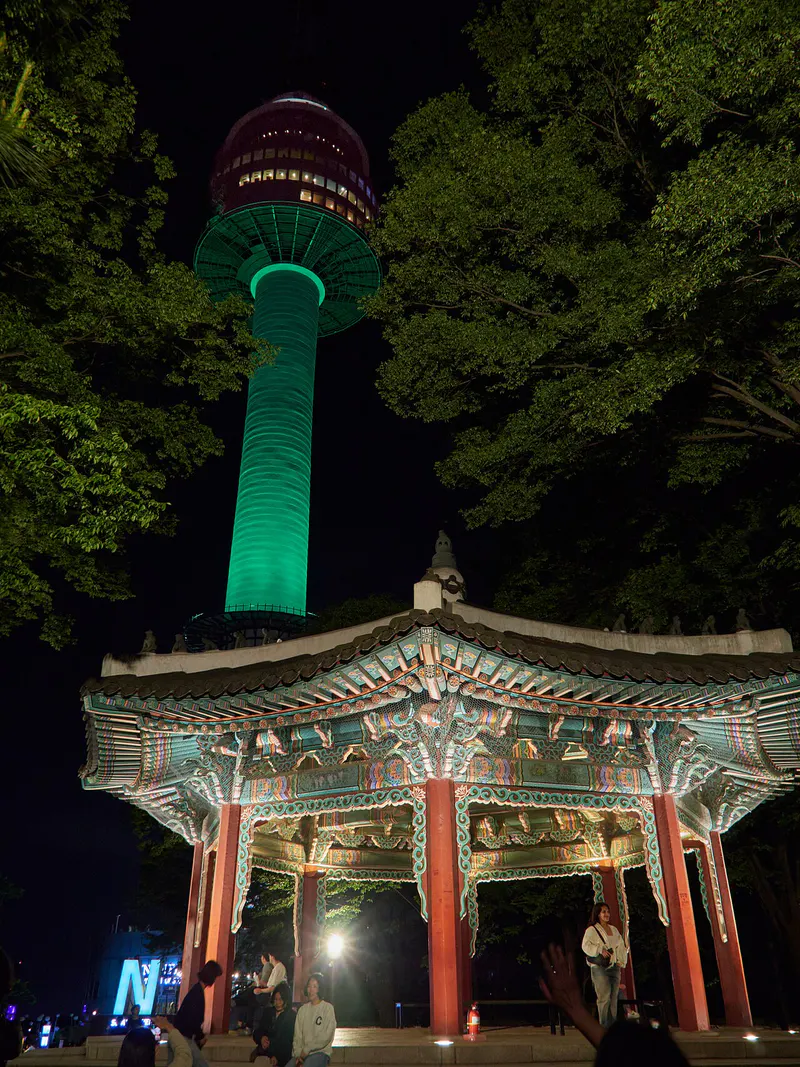
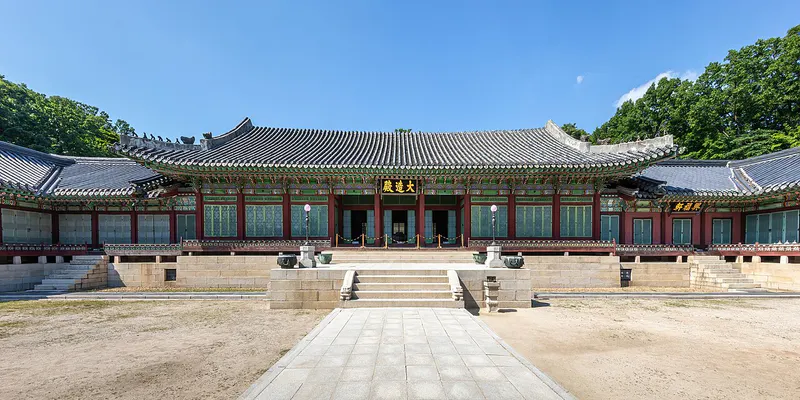
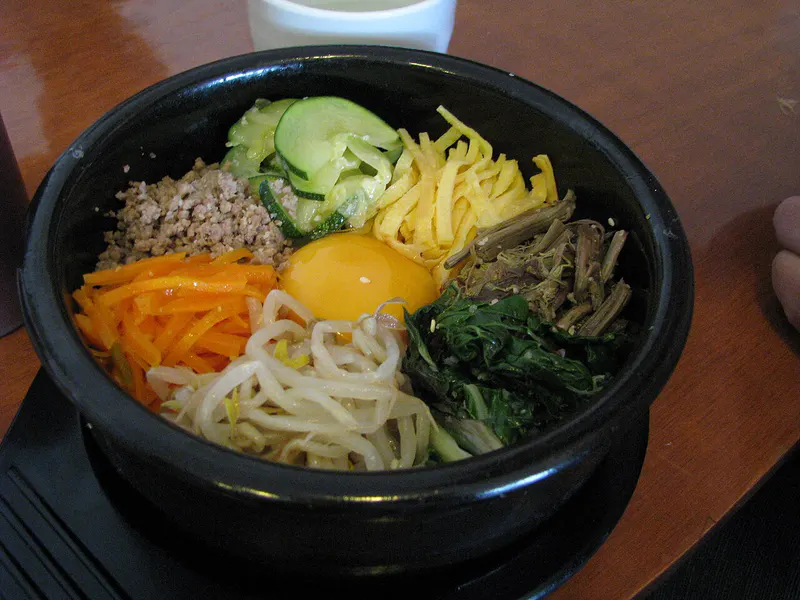
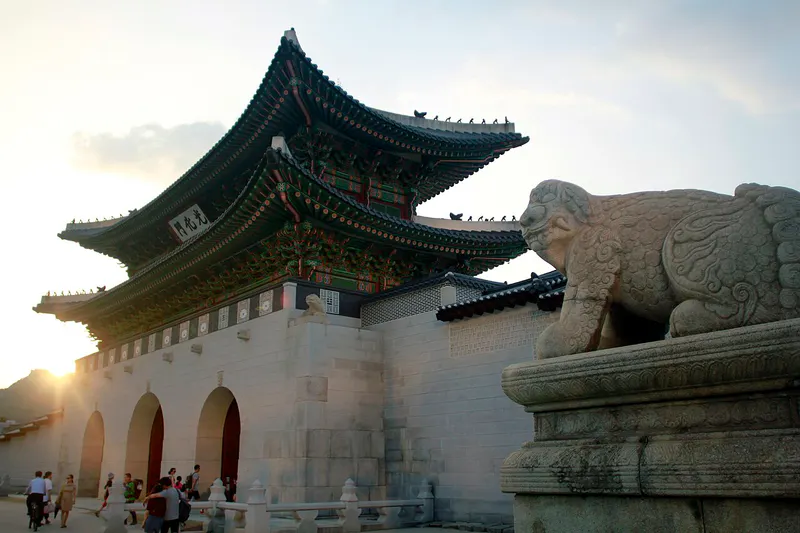
South Korea compresses palaces, mountains and coast into a country roughly the size of Portugal. Seoul dominates, with Gyeongbokgung and Changdeokgung palaces, the hanok roofs of Bukchon Hanok Village and N Seoul Tower above the shopping districts of Myeongdong and Gangnam. Busan, on the southeast coast, pairs the Jagalchi fish market with Haeundae Beach, Gyeongju holds the tombs and temples of the old Silla capital, and Jeonju is known for its hanok quarter and food. Jeju Island, off the south coast, adds volcanic craters and beaches, while Seoraksan National Park covers the northeast mountains. The KTX high-speed rail links Seoul to Busan in under three hours and connects most major cities, with an extensive subway in the capital and intercity buses reaching smaller towns. Meals centre on kimchi, rice and grilled meats, with bibimbap, bulgogi and street snacks such as tteokbokki available cheaply; Jeonju has its own regional table. Budget travellers spend $55-85 a day, mid-range visitors $110-180 and luxury stays $250 or more, with Seoul above the regional cities. Spring brings cherry blossoms in April and May, autumn delivers clear skies and foliage from September to October, and both are the busiest periods; March and November are quieter and cheaper. April to May and September to October are the best months to go.
Quick Facts
South Korea at a Glance
🏛️
Capital
Seoul
🗣️
Language
Korean
💰
Currency
KRW / South Korean Won
⏰
Time Zone
UTC+9
🔌
Voltage & Plug
220V, Type C & F
📞
Dialing Code
+82
👥
Population
~51.7 million, 2024
🌤️
Best Time To Visit
Apr–May & Oct
Best Time to Visit
When to Visit South Korea
High Season (Apr–May, Sep–Oct) Spring (Apr–May) brings cherry blossoms and mild temperatures of 10–22°C — one of Korea''s most beautiful seasons. Autumn (Sep–Oct) offers spectacular fall foliage and comfortable 12–20°C weather. Both seasons draw large domestic and international crowds. Shoulder Season (Mar, Nov) Early spring and late autumn offer fewer crowds and lower prices. March is still cool but marks the transition to cherry blossom season. November brings crisp air and the tail end of fall colors. Great for city sightseeing.
Visa Information
Visa Policy for South Korea
Entry rules for South Korea depend on your passport. We track visa-free stays, e-visas and visa-on-arrival rules for US & Canadian, EU & UK, Chinese, and Australian & Japanese passports — with official sources and last-verified dates.
Visa policies are subject to official sources. Please verify with the embassy/consulate before travel.
Budget Reference
Travel Budget for South Korea
Budget: $55–85 per day Mid-Range: $110–180 per day Luxury: $250+ per day Per person per day in USD, excluding international flights. Seoul is more expensive than regional cities.
Prices are per person per day in USD, excluding international flights.
TOP ATTRACTIONS
Must-Visit Attractions

TRAVEL GUIDES
Travel Guides for South Korea
4 Days
Korea Food Trail: Seoul to Jeonju in 4 Days
💰 Foodie · approx. $750–1,120 (≈ €650–980), excl. int'l flights
4 Days
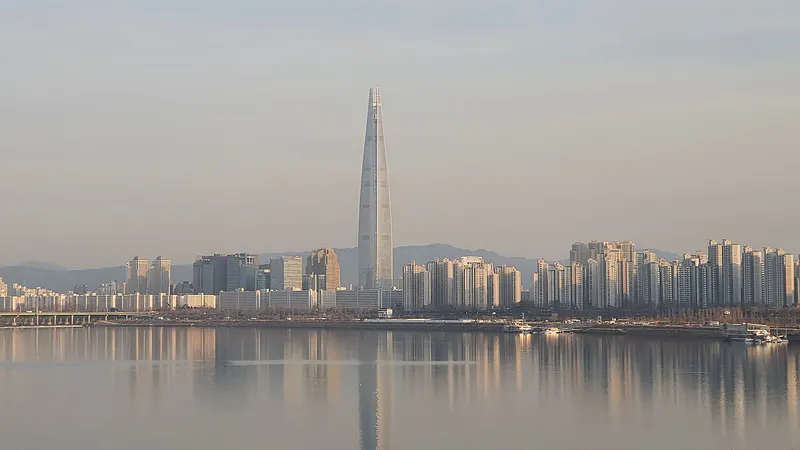
Seoul Family Trip: Lotte World, Everland & N Tower in 4 Days
💰 Family · approx. $750–1,120 (≈ €650–980), excl. int'l flights
3 Days
Seoul Palaces & History in 3 Days
💰 Comfort · approx. $520–750 (≈ €460–650), excl. int'l flights
5 Days
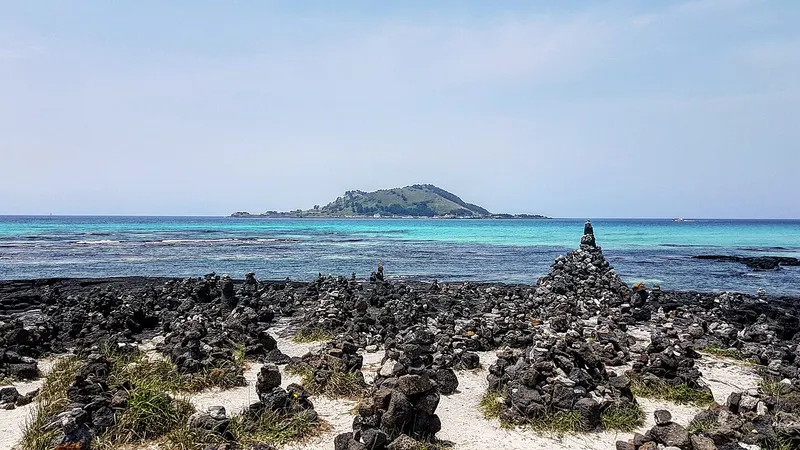
Jeju Island Beach & Resort in 5 Days
💰 Resort · approx. $900–1,350 (≈ €780–1,170), excl. int'l flights
4 Days
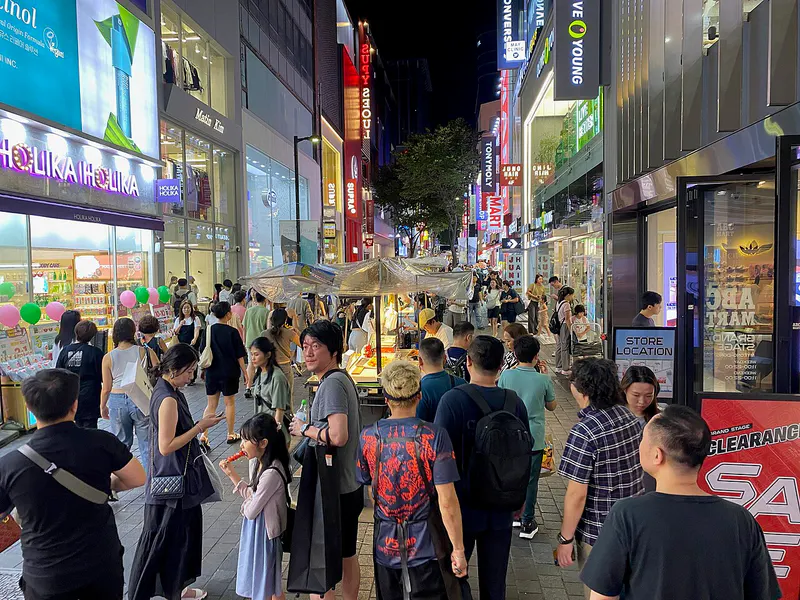
Seoul Shopping & Beauty: Myeongdong, Gangnam & Hongdae in 4 Days
💰 Shopping · approx. $900–1,500 (≈ €780–1,300), excl. int'l flights
5 Days
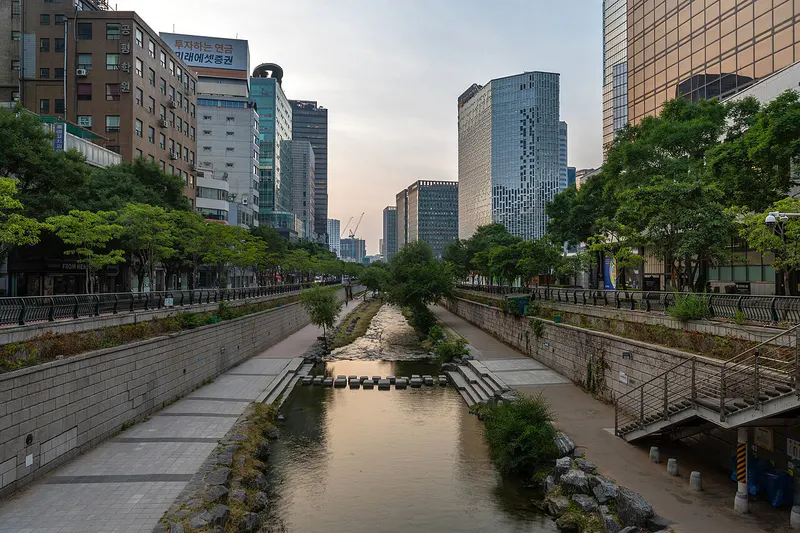
Seoul in 5 Days: Palaces, Bukchon, N Tower & Hongdae
💰 Comfort · approx. $900–1,350 (≈ €780–1,170), excl. int'l flights
MORE DESTINATIONS
Other Countries in Asia
FAQ
Frequently Asked Questions about South Korea
Travel FAQ
How do I use a T-money card in South Korea?+
Buy a T-money card at a convenience store or station and top it up. It works on subway, buses and taxis in major cities. (Visit Korea transport information)
How do I book KTX tickets in South Korea?+
Book on the Korail site or app, or at the station. Reserve ahead for holidays and choose a seat or standing ticket. (Visit Korea / Korail)
What is a Korean temple stay?+
A temple stay is a overnight programme with meditation, vegetarian meals and temple etiquette. Book through the official templestay site and follow the dress code. (Visit Korea temple stay information)
How do I use the Seoul subway?+
Use a T-money card, follow the colour-coded lines and check the exit number before surfacing. Some stations are huge, so allow extra time. (Visit Korea / Seoul Metro)
How do I visit the DMZ from Seoul?+
Join a licensed DMZ tour; independent access is restricted. Bring your passport and check whether your nationality is allowed on the tour.