About Malaysia
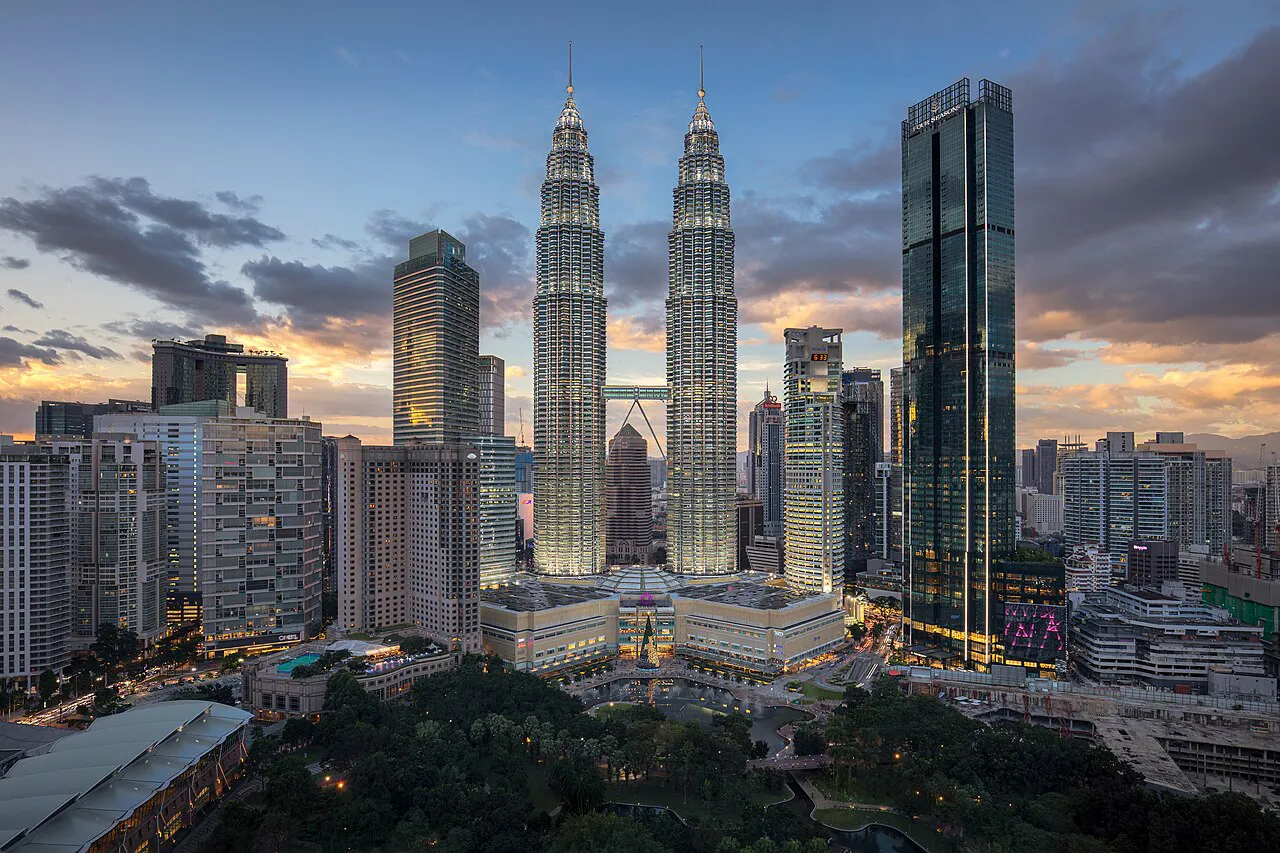
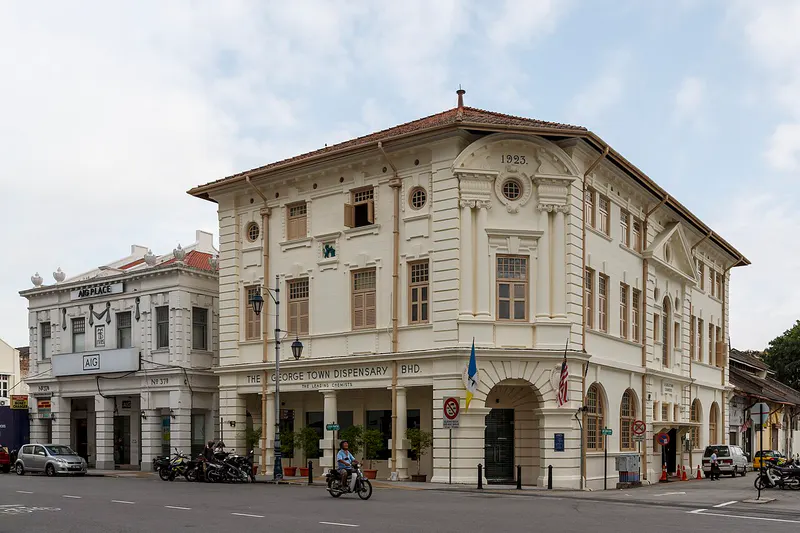
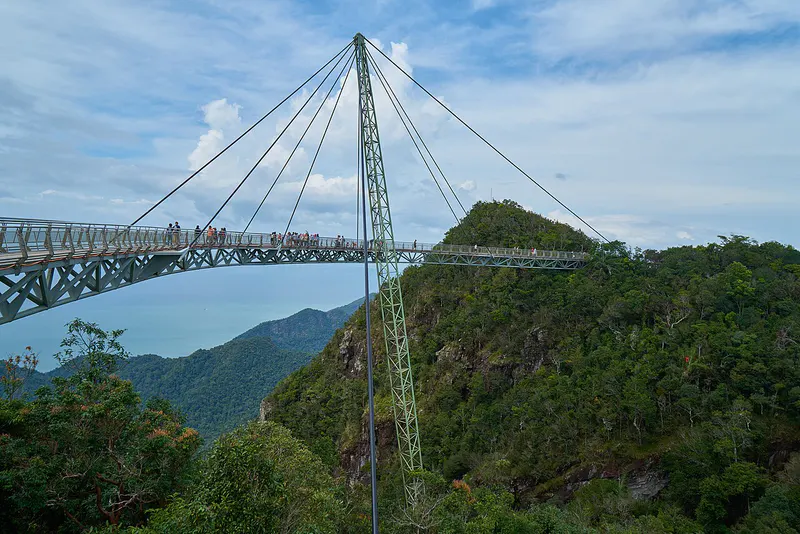
Malaysia is split in two by the South China Sea. Peninsular Malaysia holds Kuala Lumpur, whose skyline is anchored by the Petronas Twin Towers, plus the colonial port of George Town on Penang, the beaches of Langkawi and Melaka's Dutch-era streets. The east coast, from Kota Bharu down through Terengganu, moves at a slower rhythm and guards the Perhentian Islands. Across the water, Malaysian Borneo covers Sabah and Sarawak, with Mount Kinabalu, the orangutan centre at Sepilok, the caves of Mulu and the dive sites around Sipadan. The Cameron Highlands, with their tea estates, and Taman Negara's lowland rainforest fill the interior of the peninsula. Flying is the practical way between peninsula and Borneo; on the ground, Kuala Lumpur has a light rail and monorail network, and buses and ferries reach most coasts. Hawker centres and kopitiams keep costs low, with nasi lemak, char kway teow, laksa and roti canai eaten daily and Malay, Chinese and Indian kitchens side by side. Budget runs $30–55 a day, mid-range $65–110 and luxury from $160, and resort islands cost more than inland towns. The east coast is driest from March to September, the west coast and Langkawi from December to February, so match the coast to the month. Those two windows are the most reliable times to go.
Quick Facts
Malaysia at a Glance
🏛️
Capital
Kuala Lumpur
🗣️
Language
Malay
💰
Currency
MYR / Malaysian Ringgit
⏰
Time Zone
UTC+8
🔌
Voltage & Plug
230V, Type G
📞
Dialing Code
+60
👥
Population
~34.0 million, 2024
🌤️
Best Time To Visit
Mar–Oct
Best Time to Visit
When to Visit Malaysia
High Season (Dec–Feb, Jun–Aug) Malaysia has two peak seasons coinciding with school holidays and regional dry periods. Temperatures stay consistently 25–32°C year-round. December–February is peak on the east coast; June–August draws crowds to the west coast and highlands. Shoulder Season (Mar–May, Sep–Nov) These months offer good weather with slightly fewer crowds than peak periods. The west coast (Penang, Langkawi, Kuala Lumpur) sees rain from September to November but it''s typically short afternoon showers. Low Season (varies by coast) East coast experiences heavier rains from November to February. West coast monsoon runs April–October. Kuala Lumpur, Penang, and other west coast destinations remain very visitable year-round with short tropical rain showers. Prices dip during monsoon months.
Visa Information
Visa Policy for Malaysia
Entry rules for Malaysia depend on your passport. We track visa-free stays, e-visas and visa-on-arrival rules for US & Canadian, EU & UK, Chinese, and Australian & Japanese passports — with official sources and last-verified dates.
Visa policies are subject to official sources. Please verify with the embassy/consulate before travel.
Budget Reference
Travel Budget for Malaysia
Budget: $30–55 per day Mid-Range: $65–110 per day Luxury: $160+ per day Per person per day in USD, excluding international flights. Kuala Lumpur and resort islands cost more than smaller towns.
Prices are per person per day in USD, excluding international flights.
TOP ATTRACTIONS
Must-Visit Attractions
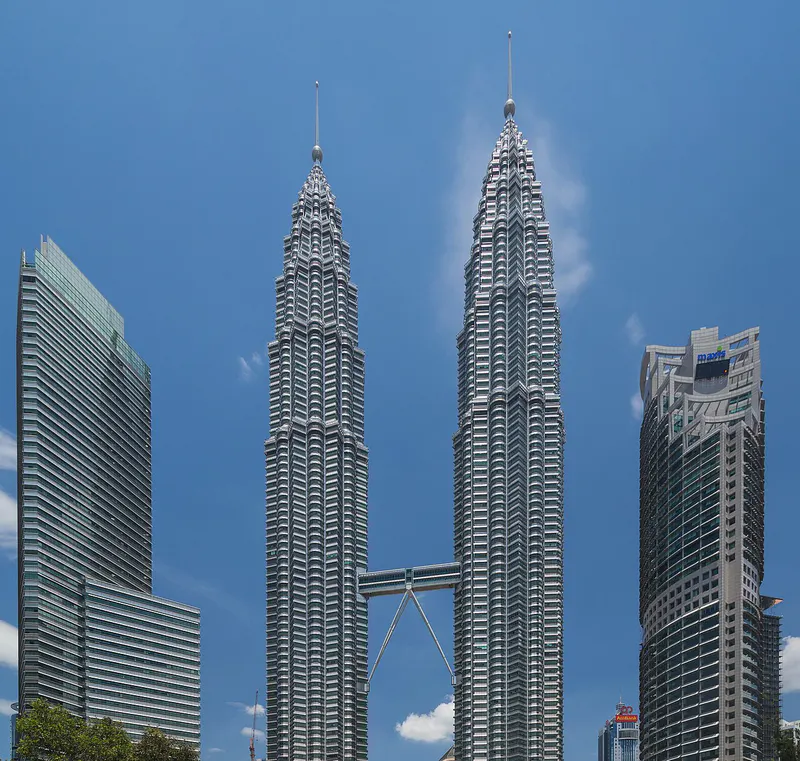
TRAVEL GUIDES
Travel Guides for Malaysia
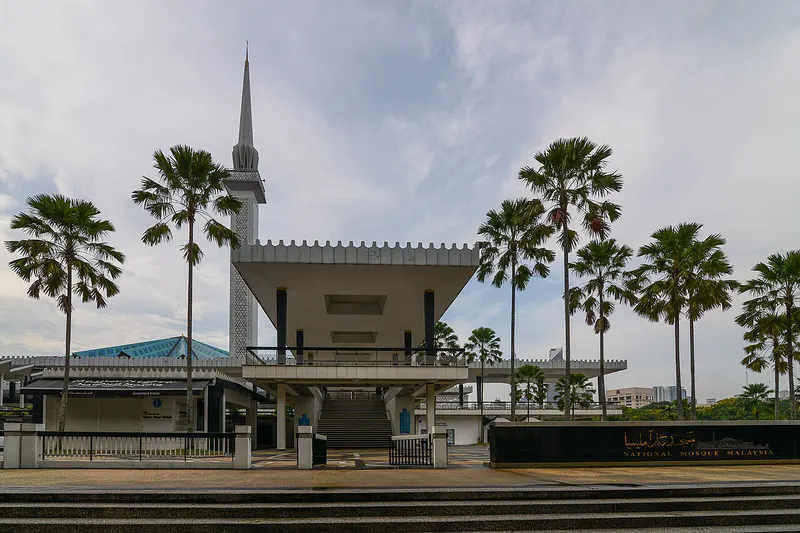
3 Days
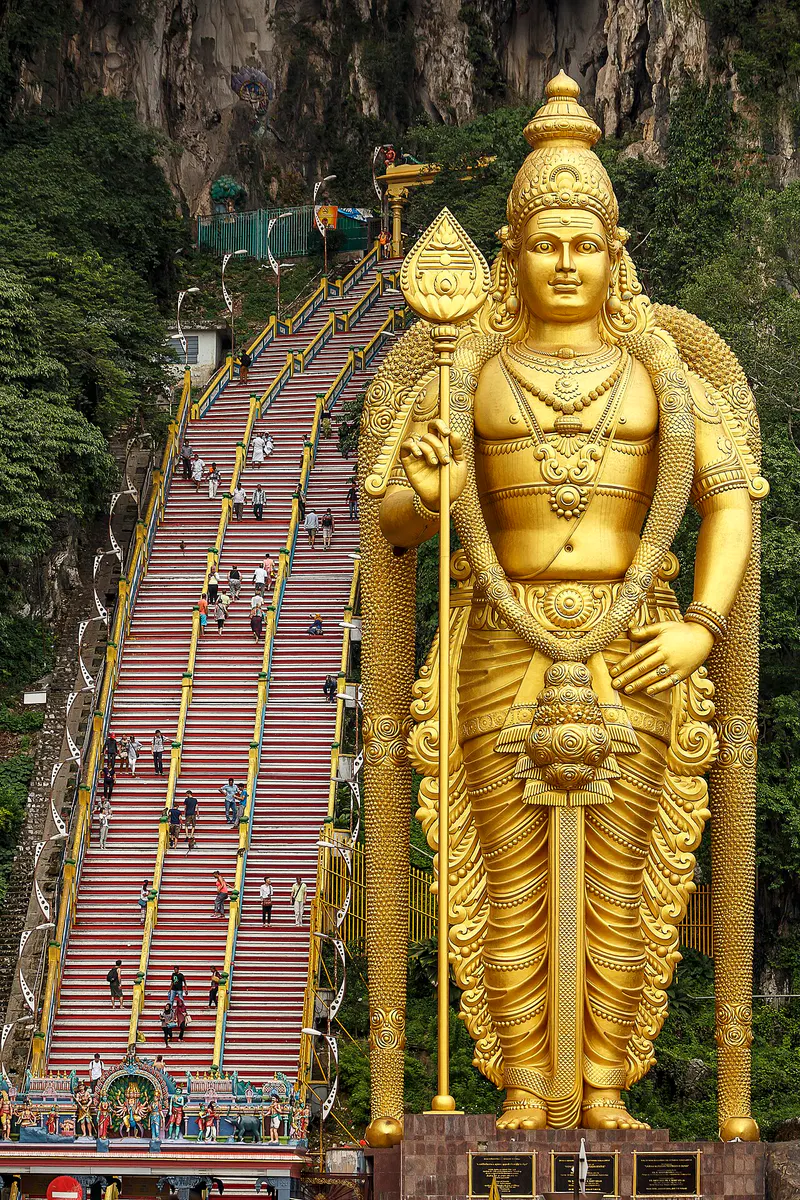
Kuala Lumpur Sacred Sites: National Mosque, Batu Caves & Sri Mahamariamman in 3 Days
💰 Comfort · approx. $370–600 (≈ €330–520), excl. int'l flights
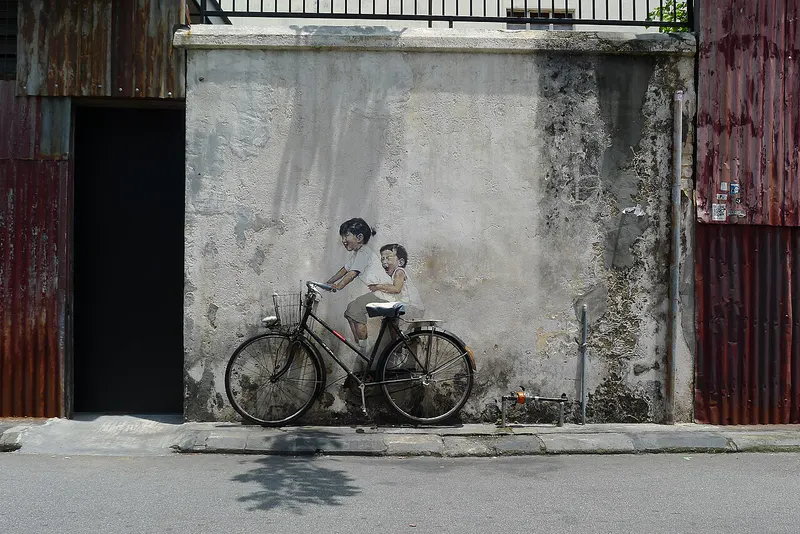
4 Days
Penang Food & Street-Art Trip: George Town Hawker Crawl in 4 Days
💰 Foodie · approx. $520–820 (≈ €460–720), excl. int'l flights
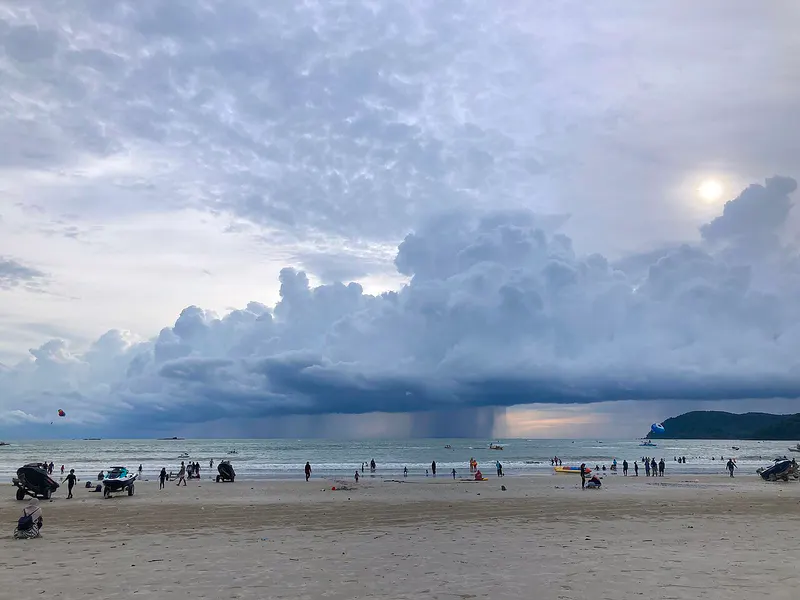
5 Days
Langkawi Beach Resort Holiday: Sky Bridge, Island-Hopping & Snorkelling in 5 Days
💰 Resort · approx. $750–1,200 (≈ €650–1,040), excl. int'l flights
4 Days
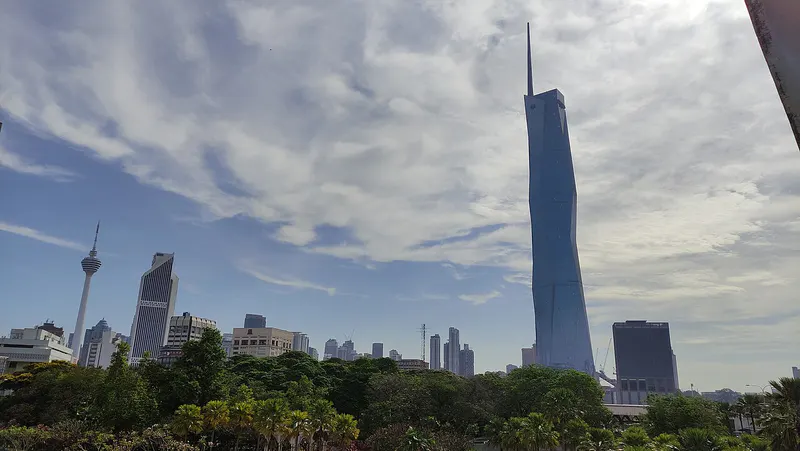
Kuala Lumpur City Deep-Dive: Petronas Towers, Batu Caves & Bukit Bintang in 4 Days
💰 Comfort · approx. $520–820 (≈ €460–720), excl. int'l flights
9 Days
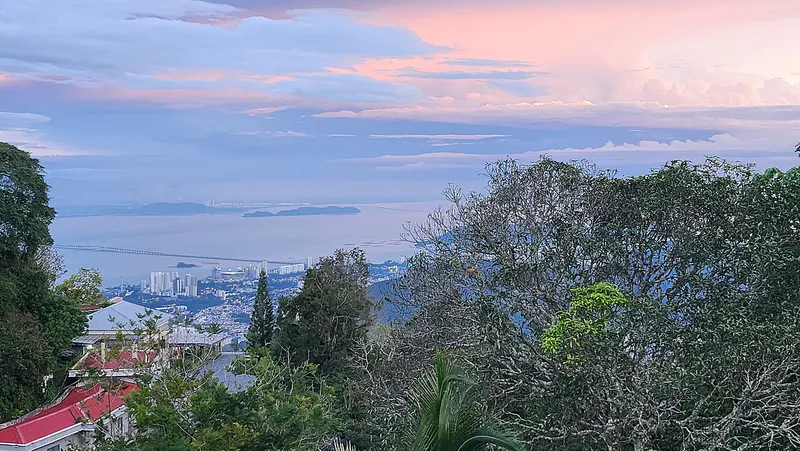
Malaysia Grand Tour: Kuala Lumpur, Penang & Langkawi in 9 Days
💰 Comfort · approx. $900–1,350 (≈ €780–1,170), excl. int'l flights
3 Days
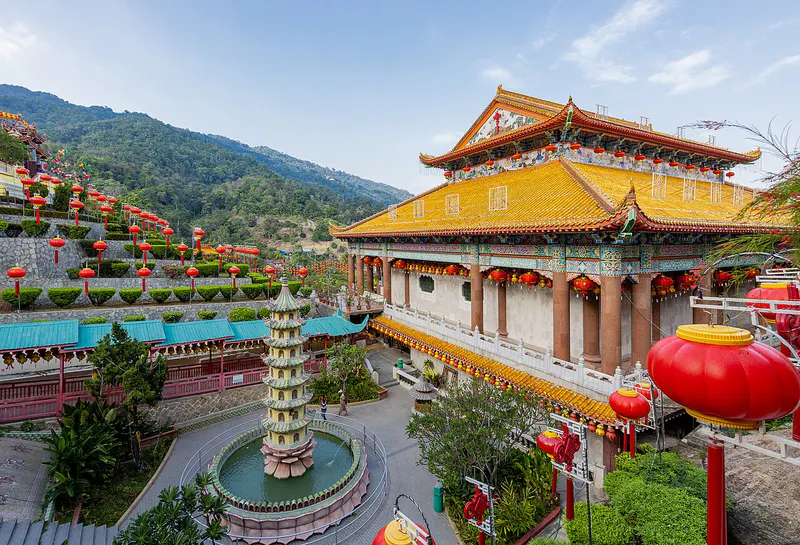
George Town, Penang Heritage Walk: Clan Jetties & Kek Lok Si in 3 Days
💰 Comfort · approx. $450–670 (≈ €390–590), excl. int'l flights
MORE DESTINATIONS
Other Countries in Asia
FAQ
Frequently Asked Questions about Malaysia
Travel FAQ
How do I get around Kuala Lumpur?+
Use the LRT, MRT and monorail for traffic-free travel, or a ride-hailing app. Avoid unlicensed taxis at tourist spots. (Tourism Malaysia / Kuala Lumpur transport)
Is Malaysia safe for tourists?+
Malaysia is generally safe, with petty theft the main risk in crowded areas. Keep bags zipped and avoid isolated places at night. (Tourism Malaysia travel tips)
How do I get to Batu Caves from Kuala Lumpur?+
Take the KTM Komuter to Batu Caves station, then walk to the entrance. Go early to avoid heat and crowds.
When are the monsoon seasons in Malaysia?+
The east coast and Borneo are wetter from November to February, while the west coast is wetter from April to October. Plan island trips around the regional pattern. (Tourism Malaysia climate information)