About Portugal
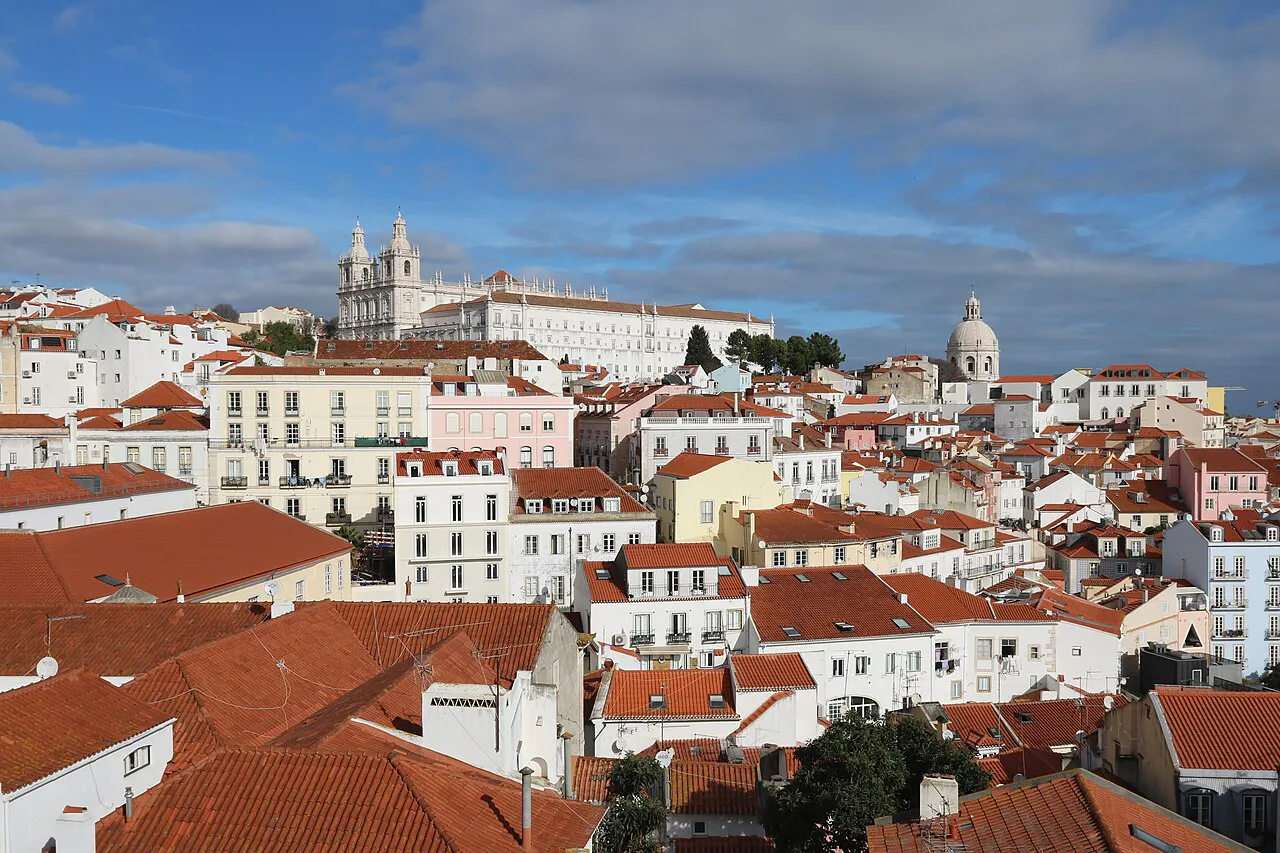
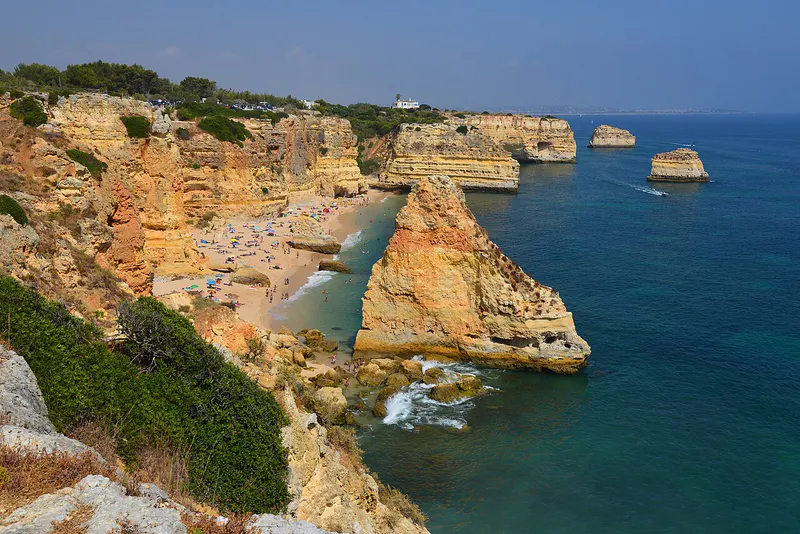
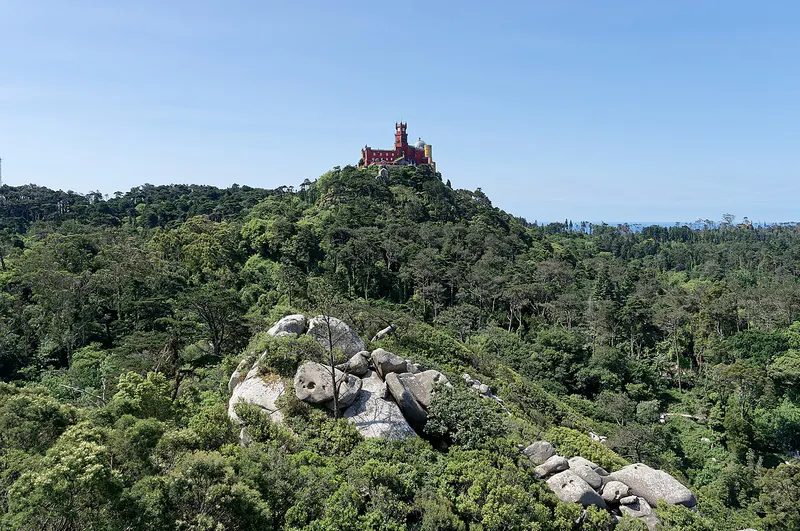
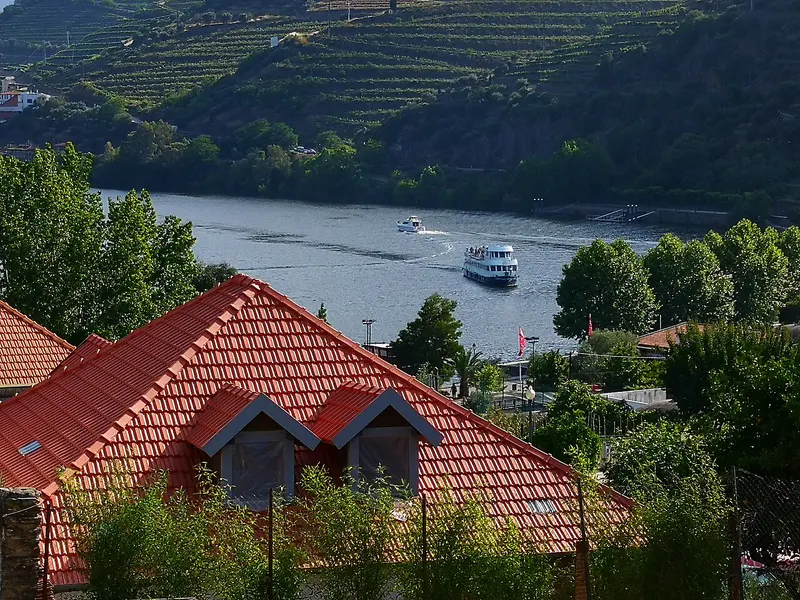
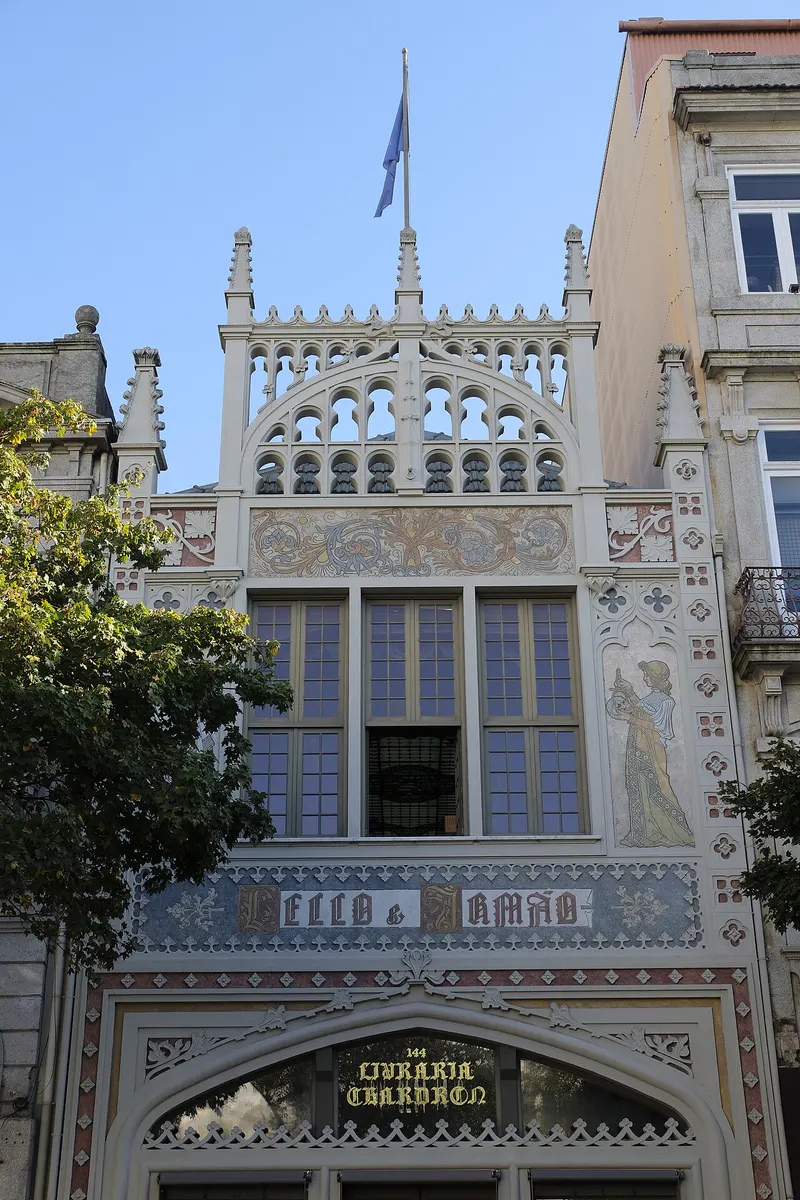
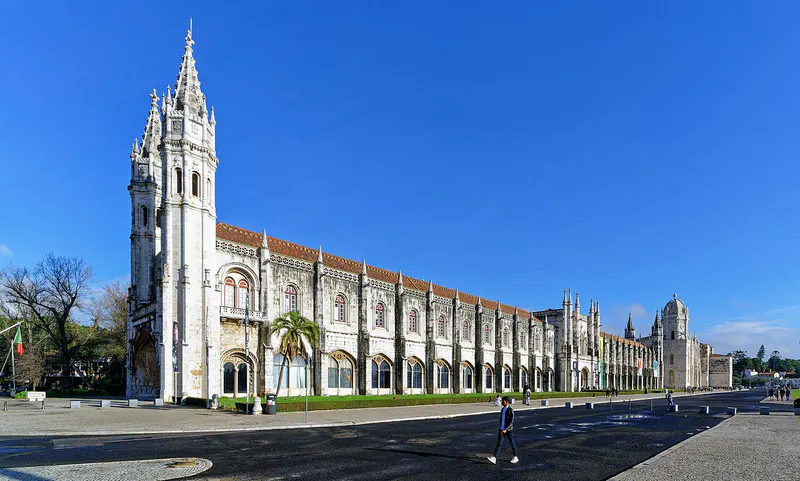
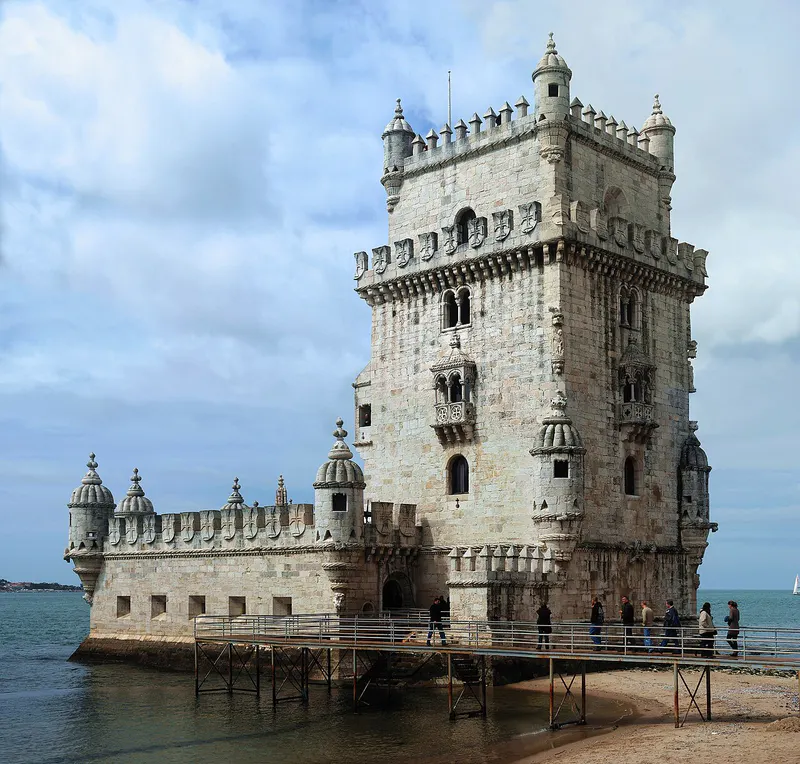
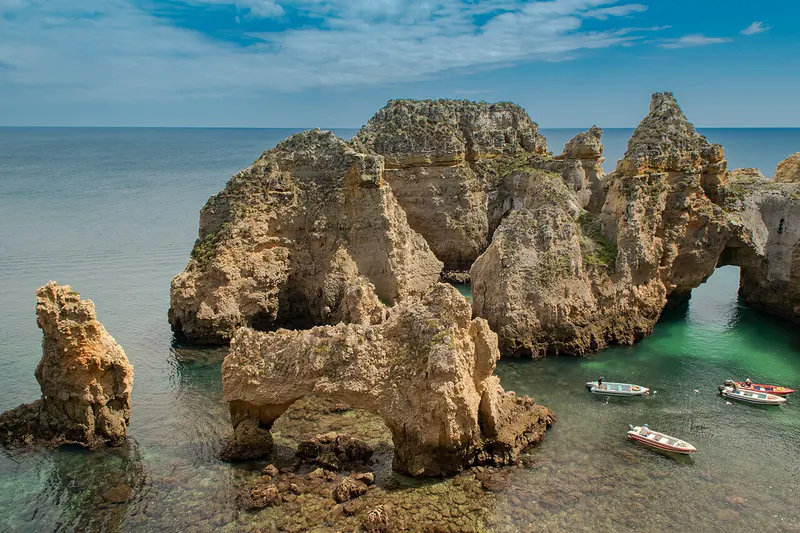
Portugal occupies the western strip of the Iberian Peninsula, with Lisbon as its capital and the Atlantic along the whole coast. Lisbon spreads over seven hills: Alfama's alleys sit below the castle, while Belém holds the Jerónimos Monastery and Belém Tower, both UNESCO sites. Porto, at the mouth of the Douro, is known for the port wine lodges of Vila Nova de Gaia, and the terraced vineyards upstream form the Douro Valley. South of Lisbon, the Algarve runs from Lagos to Tavira in limestone cliffs and sandy coves, while Sintra's Pena Palace and Moorish castle sit in forest above the town. Madeira and the Azores add volcanic walking country and whale watching far out in the Atlantic. Trains link Lisbon and Porto in under three hours, and a car helps in the Alentejo and the interior. Grilled sardines, bacalhau in dozens of preparations, pastéis de nata and Douro wines anchor the food, eaten cheaply at tascas and more formally in Porto's riverside cellars. Budget travellers spend $60–90 a day, mid-range $130–200 and luxury $280 or more; the Alentejo and central Portugal cost less than Lisbon, Porto or the Algarve in August. May, June, September and October give 18–28°C days, fewer crowds and warm sea, while July and August fill the beaches and northern winters turn wet. Those shoulder months are the ones to book.
Quick Facts
Portugal at a Glance
🏛️
Capital
Lisbon
🗣️
Language
Portuguese
💰
Currency
EUR / Euro
⏰
Time Zone
UTC+0 (UTC+1 DST)
🔌
Voltage & Plug
230V, Type C & F
📞
Dialing Code
+351
👥
Population
~10.3 million, 2024
🌤️
Best Time To Visit
Jun–Sep
Best Time to Visit
When to Visit Portugal
High Season (July-August): Peak summer with hot, sunny weather across most of the country. Lisbon and the Algarve regularly reach 28-35 C, while Porto and the north are slightly cooler (25-30 C). Beach resorts and coastal towns are packed, with prices 50-80% above shoulder rates. Book accommodations 3-6 months in advance for the Algarve and popular islands like Madeira and the Azores. August sees many Portuguese go on holiday, so some city businesses close. Shoulder Season (May-June, September-October): Widely considered the best time to visit. Temperatures range from 18-28 C across most regions. Crowds are 30-50% lighter and prices are much lower. May and June bring blooming landscapes and longer daylight hours. September and October offer warm sea temperatures for swimming, harvest season in the Douro Valley, and fewer tourists. The Algarve is still beach-perfect well into October. Low Season (November-April): Cool and rainy, especially in the north. Lisbon remains mild (10-18 C) with fewer crowds. Porto and northern Portugal are cooler (8-14 C) with more rain. Many beach resorts and coastal restaurants close from November to March. However, this is the best time for city sightseeing, wine tasting in the Douro Valley, and cultural trips at bargain prices (hotels 30-50% off). Madeira has a mild year-round climate and is popular in winter.
Visa Information
Visa Policy for Portugal
Entry rules for Portugal depend on your passport. We track visa-free stays, e-visas and visa-on-arrival rules for US & Canadian, EU & UK, Chinese, and Australian & Japanese passports — with official sources and last-verified dates.
Visa policies are subject to official sources. Please verify with the embassy/consulate before travel.
Budget Reference
Travel Budget for Portugal
Budget: $60-90/day (hostel dorm or budget guesthouse 20-35 EUR, pastelarias and tasca meals 15-25 EUR, metro/urban buses and regional trains 8-15 EUR, free attractions + 1 paid site 10-15 EUR) Mid-Range: $130-200/day (3-star hotel or Airbnb 60-100 EUR, restaurant meals with wine 35-60 EUR, rental car or long-distance trains 25-45 EUR, paid attractions and wine tastings 20-40 EUR) Luxury: $280+/day (4-5 star hotel or boutique pousada 150-300+ EUR, fine dining and Michelin-starred restaurants 80-180 EUR, private driver and first-class trains 60-150 EUR, private tours and luxury experiences like private yacht charters 100-300+ EUR) Per person per day in USD, excluding international flights. Lisbon, Porto, the Algarve in peak season, and Madeira are the most expensive areas. The Alentejo region, central Portugal, and the Azores offer better value. Portugal is generally 20-30% cheaper than Spain and significantly more affordable than other Western European countries.
Prices are per person per day in USD, excluding international flights.
TOP ATTRACTIONS
Must-Visit Attractions
TRAVEL GUIDES
Travel Guides for Portugal
7 Days
Algarve Beach Holiday in 7 Days
💰 Comfort · approx. $1,350–1,940 (≈ €1,170–1,690), excl. int'l flights
7 Days
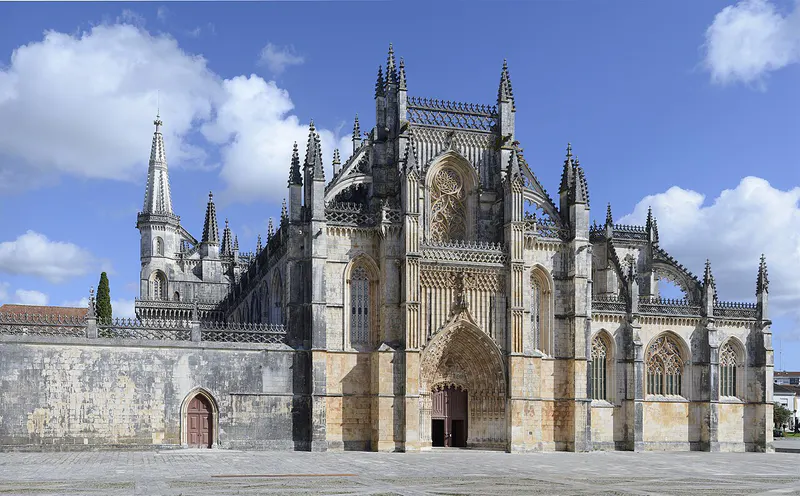
Portugal UNESCO Heritage History in 7 Days
💰 Comfort · approx. $1,200–1,640 (≈ €1,040–1,430), excl. int'l flights
10 Days
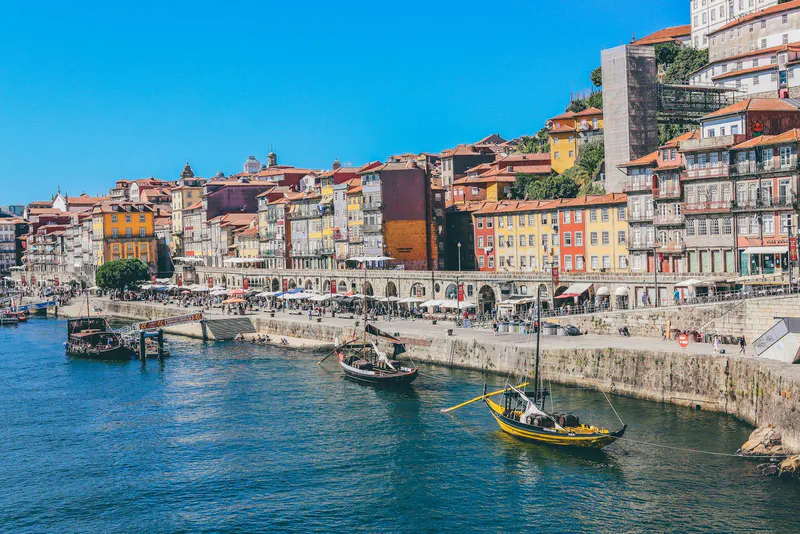
Portugal Grand Tour: Lisbon, Sintra, Porto & the Algarve in 10 Days
💰 Comfort · approx. $1,350–1,940 (≈ €1,170–1,690), excl. int'l flights
6 Days
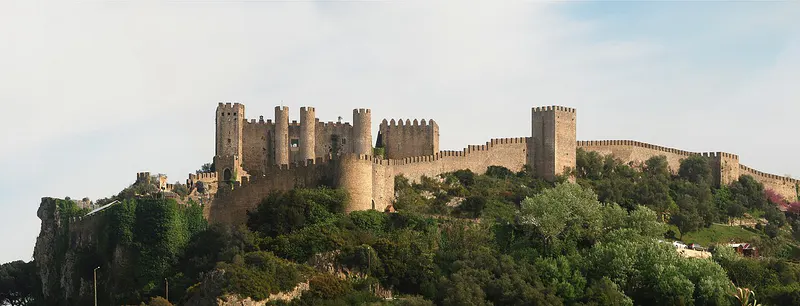
Portugal Hidden Gems: Óbidos, Nazaré & Évora in 6 Days
💰 Comfort · approx. $1,050–1,500 (≈ €910–1,300), excl. int'l flights
6 Days
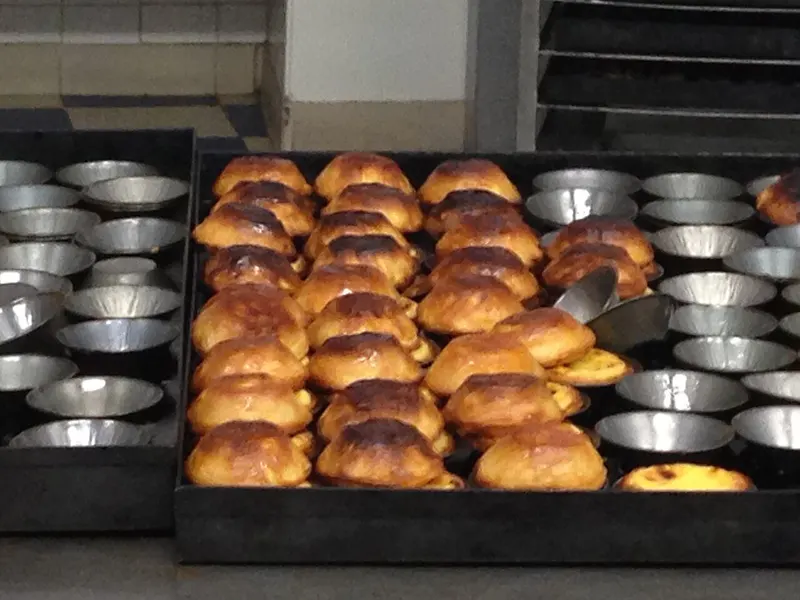
Portugal Food & Dining Trail in 6 Days
💰 Comfort · approx. $1,050–1,500 (≈ €910–1,300), excl. int'l flights
6 Days
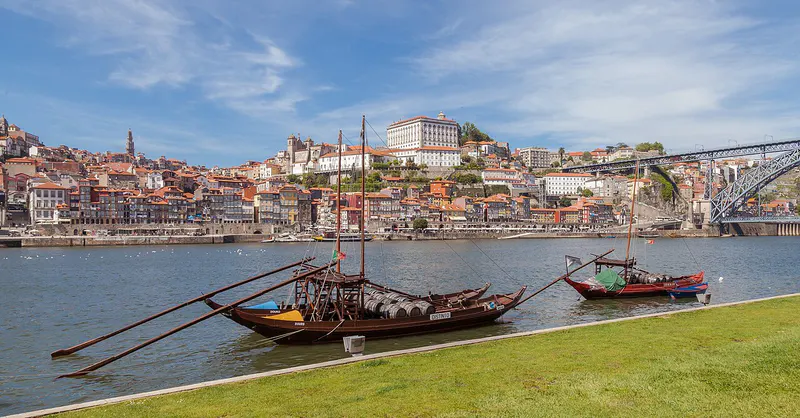
Douro Valley Port Wine Trail in 6 Days
💰 Comfort · approx. $1,200–1,640 (≈ €1,040–1,430), excl. int'l flights
MORE DESTINATIONS
Other Countries in Europe
FAQ
Frequently Asked Questions about Portugal
Travel FAQ
Can I drive in Portugal with my home licence?+
EU licences are accepted. Non-EU visitors may need an International Driving Permit depending on the licence; check before renting. (VisitPortugal official getting-there information)
How do I travel between Portuguese cities?+
Use trains between Lisbon, Porto and the Algarve, and buses for smaller towns. Book popular routes ahead. (VisitPortugal official transport information)
Is Portugal safe for tourists?+
Portugal is generally safe, with petty theft the main risk in crowded tourist areas. Keep valuables out of sight and use licensed taxis. (VisitPortugal official practical information)
Do I need to book the Lisbon tram?+
No, but tram 28 is crowded and pickpocket-prone. Use a Viva Viagem card, board early and keep bags zipped.