About Germany
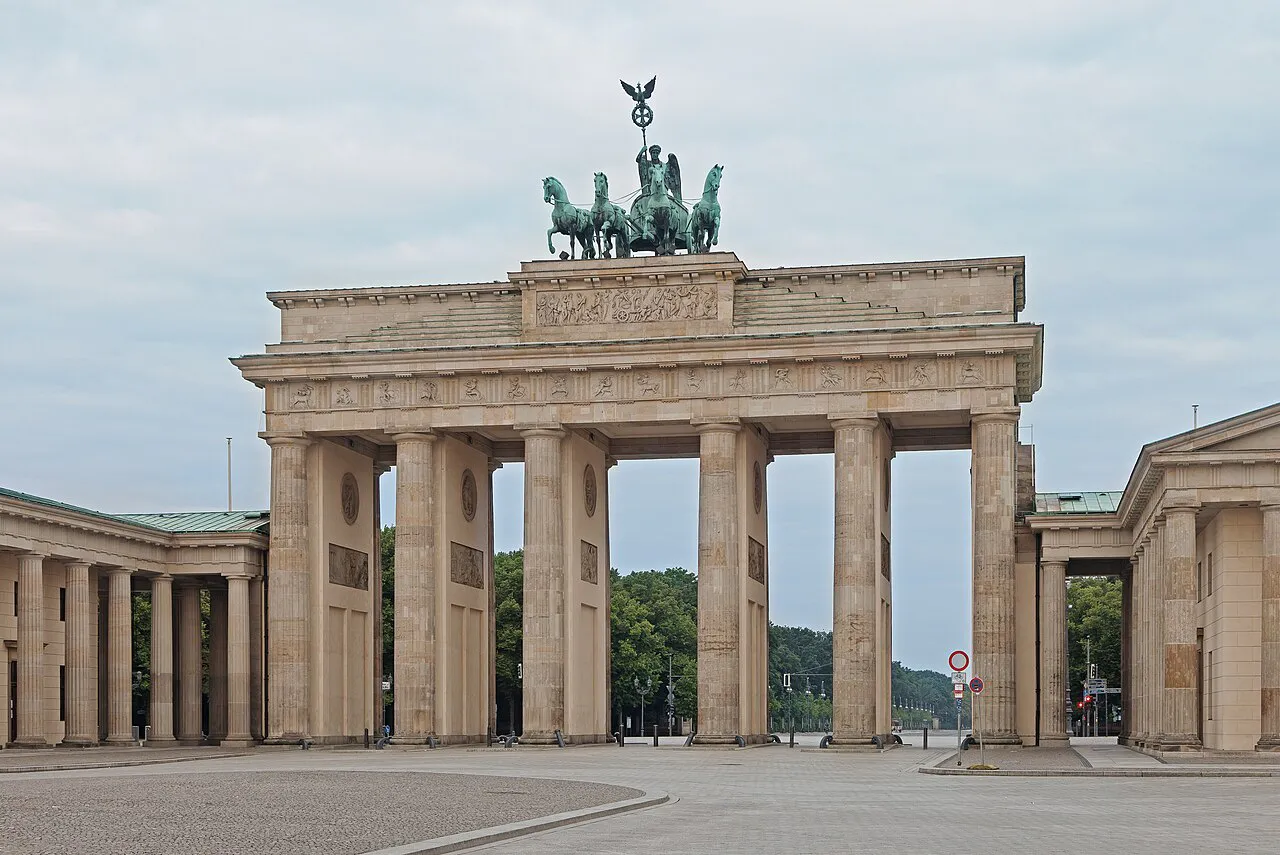
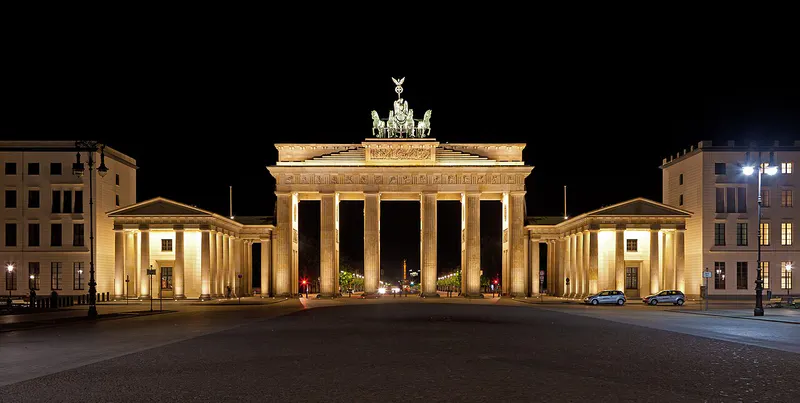
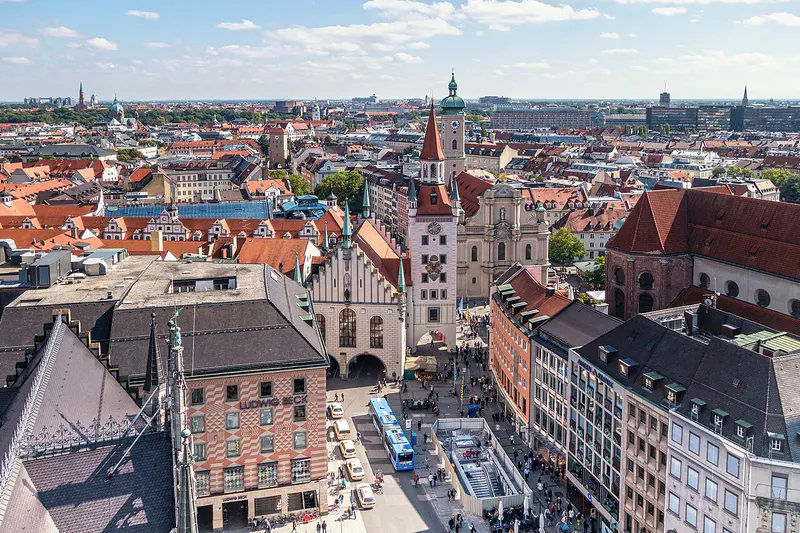
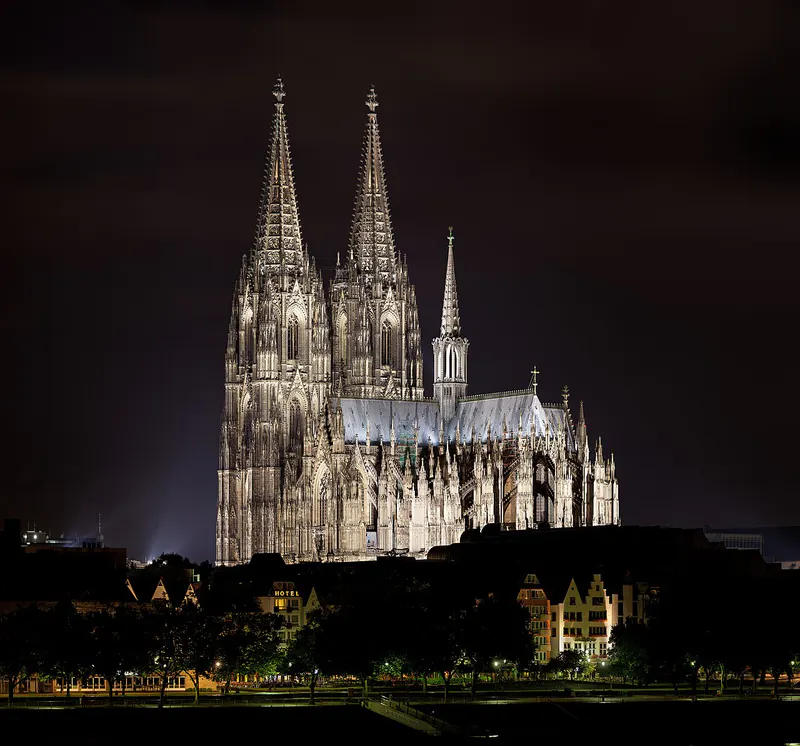
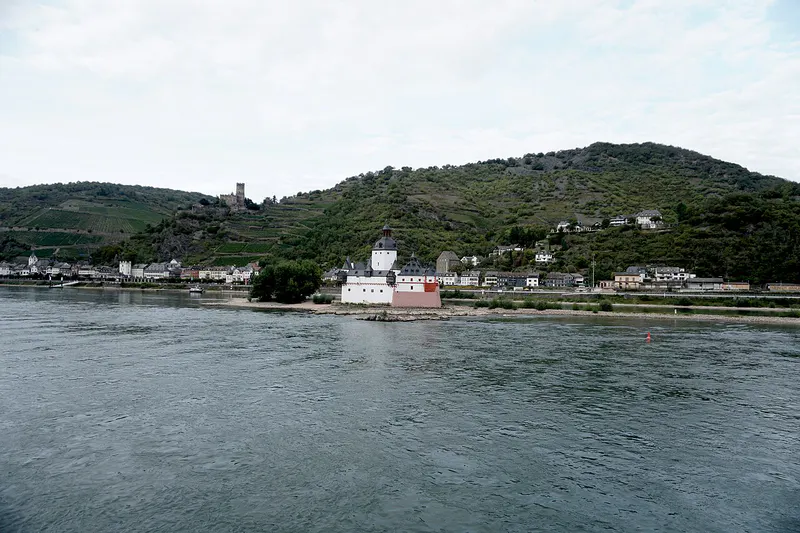
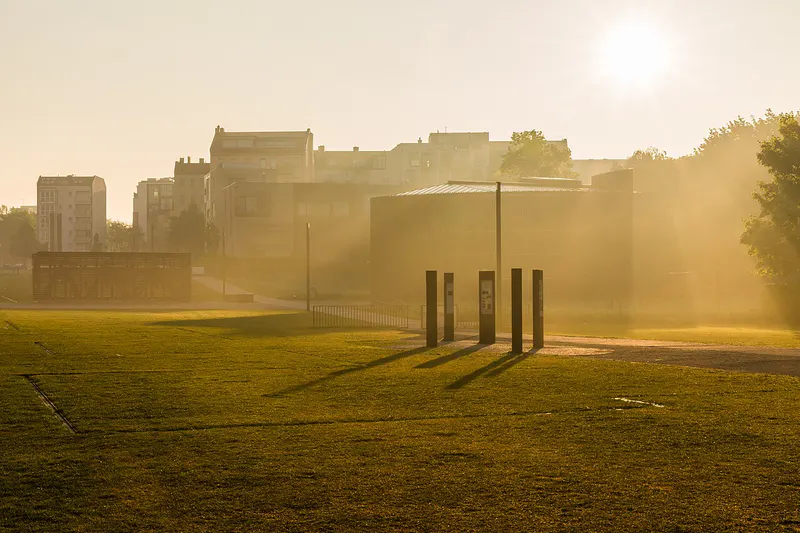
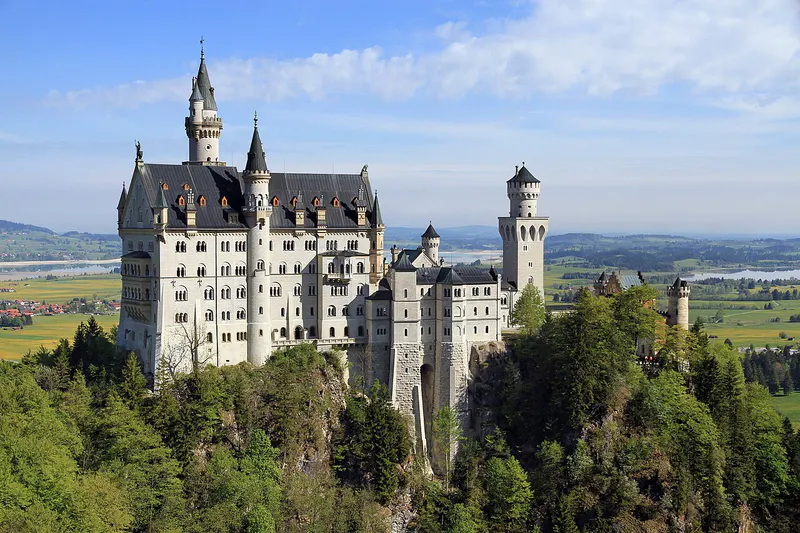
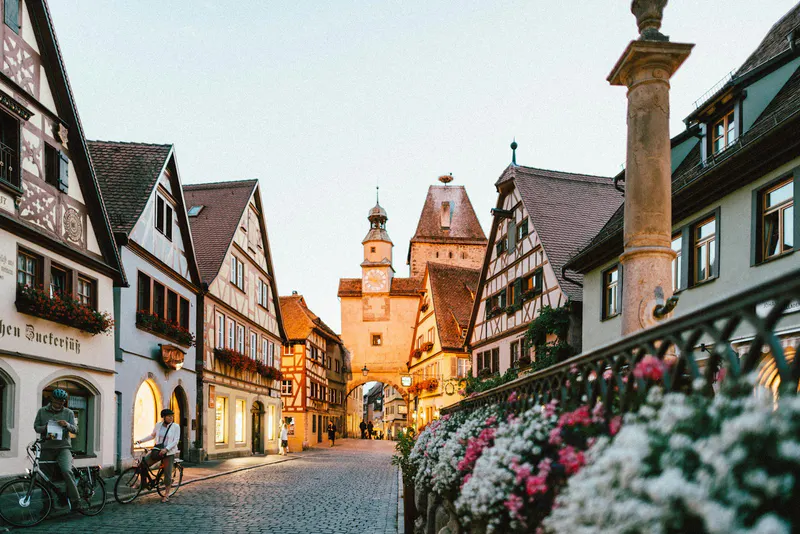
Berlin carries most of the country's 20th-century history in a walkable centre: the Brandenburg Gate, the Reichstag, the Berlin Wall Memorial and Museum Island sit within a few kilometres of each other. Munich and Bavaria supply the other half of the classic route, with Marienplatz, the Englischer Garten and Neuschwanstein Castle a train ride away in the Alps. The Rhine and Moselle valleys, the Cologne Cathedral, the medieval streets of Rothenburg ob der Tauber and the port of Hamburg fill out a first visit; the Black Forest and Saxony reward a second. ICE trains connect the major cities in two to four hours, and regional day tickets make local travel cheap, though booking ahead cuts long-distance fares sharply. Bakeries and Imbiss stands keep food costs down; beer gardens and brewery restaurants are the main social institution. Budget travellers spend roughly $60 to $90 a day and mid-range $130 to $200, with Munich and Frankfurt the most expensive cities. Summers are warm and long, with daylight until late evening, and late September's Oktoberfest fills Munich. December brings Christmas markets in Nuremberg, Dresden and Cologne, while January and February are quiet and cold. May through October is the most rewarding stretch, with September a strong compromise.
Quick Facts
Germany at a Glance
🏛️
Capital
Berlin
🗣️
Language
German
💰
Currency
EUR / Euro
⏰
Time Zone
UTC+1 (UTC+2 DST)
🔌
Voltage & Plug
230V, Type C & F
📞
Dialing Code
+49
👥
Population
~84.3 million, 2024
🌤️
Best Time To Visit
May–Sep
Best Time to Visit
When to Visit Germany
High Season (June-August): Summer is peak season with the warmest weather (18-28°C), long days, and school holidays. Munich, Berlin, and popular attractions are busy. Castle visits and Rhine river cruises are at their peak. Oktoberfest in late September-early October draws massive crowds to Munich. Prices peak in July-August. Shoulder Season (April-May, September-October): Excellent time to visit. Mild weather (10-20°C), fewer tourists, and lower prices. Spring brings blooming cherry blossoms and wine festivals. Autumn features harvest season, Oktoberfest, and beautiful fall foliage in the Black Forest and Bavaria. Perfect for city sightseeing and outdoor activities. Low Season (November-March): Cold weather (0-8°C), shorter days, and fewer tourists. December has magical Christmas markets throughout Germany, especially in Nuremberg, Dresden, and Munich. January-February is the quietest and cheapest time. Ski season in the Alps and Bavarian mountains runs December-March. Great for indoor museums and cultural travel.
Visa Information
Visa Policy for Germany
Entry rules for Germany depend on your passport. We track visa-free stays, e-visas and visa-on-arrival rules for US & Canadian, EU & UK, Chinese, and Australian & Japanese passports — with official sources and last-verified dates.
Visa policies are subject to official sources. Please verify with the embassy/consulate before travel.
Budget Reference
Travel Budget for Germany
Budget: $60-90/day (Budget hostel or Gasthaus 30-50 EUR, street food and kebab shops 8-12 EUR, regional trains or day passes 10-15 EUR, free sights + one paid attraction 8-15 EUR. Bakeries offer cheap and excellent food. Many museums have free entry on certain days.) Mid-Range: $130-200/day (Boutique hotel or mid-range Gasthaus 70-130 EUR, restaurant meals 20-40 EUR, ICE high-speed train or regional express 25-50 EUR, attractions and museum tickets 15-30 EUR. Includes beer garden meals and local experiences.) Luxury: $260-400+/day (Luxury hotel or castle stay 180-300+ EUR, fine dining with wine 70-120 EUR, first-class train travel or private transfers 50-100 EUR, premium experiences and private tours 50-100 EUR. Germany offers excellent luxury value compared to Switzerland or France.) Per person per day in USD, excluding international flights. Munich and Frankfurt are the most expensive cities. Eastern Germany (Leipzig, Dresden) and smaller towns are significantly cheaper (20-35% less). Germany is moderately priced by Western European standards.
Prices are per person per day in USD, excluding international flights.
TOP ATTRACTIONS
Must-Visit Attractions
TRAVEL GUIDES
Travel Guides for Germany
7 Days
Scenic Rail Journeys: the Romantic Road & DB Lines in 7 Days
💰 Comfort · approx. $1,350–1,940 (≈ €1,170–1,690), excl. int'l flights
12 Days
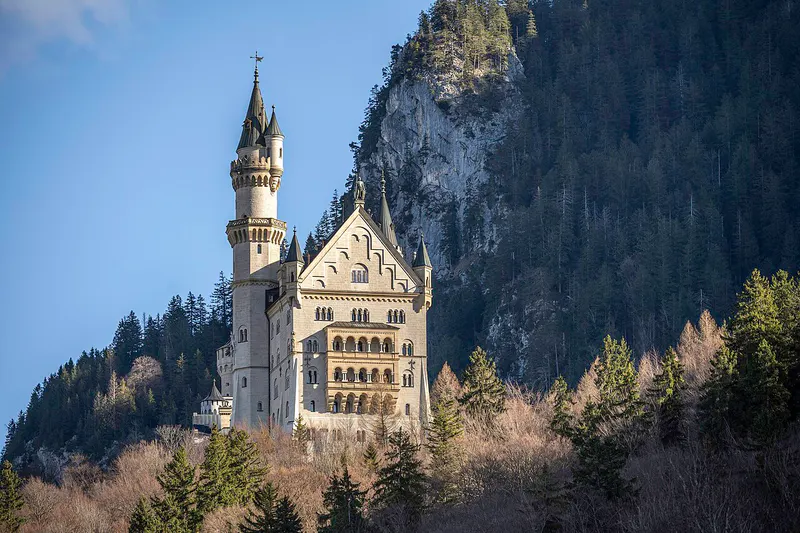
Germany Classic Highlights: Berlin, the Rhine Valley & Bavarian Castles in 12 Days
💰 Comfort · approx. $1,940–2,690 (≈ €1,690–2,340), excl. int'l flights
5 Days
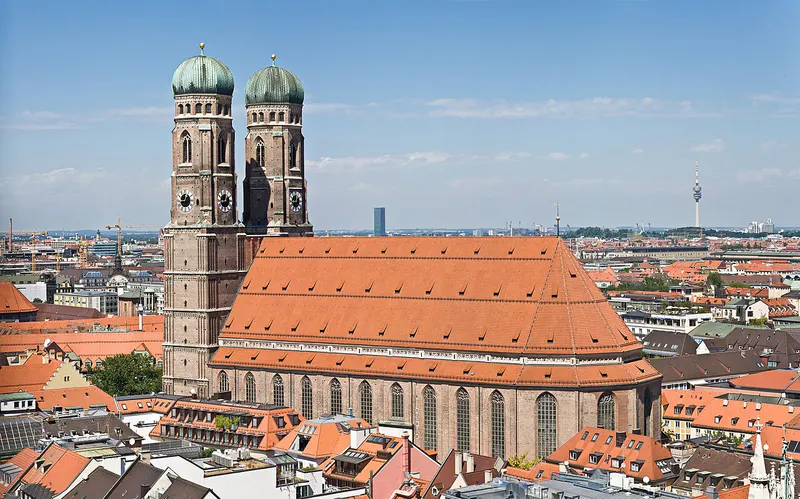
Munich City Deep-Dive in 5 Days
💰 Comfort · approx. $1,050–1,500 (≈ €910–1,300), excl. int'l flights
5 Days
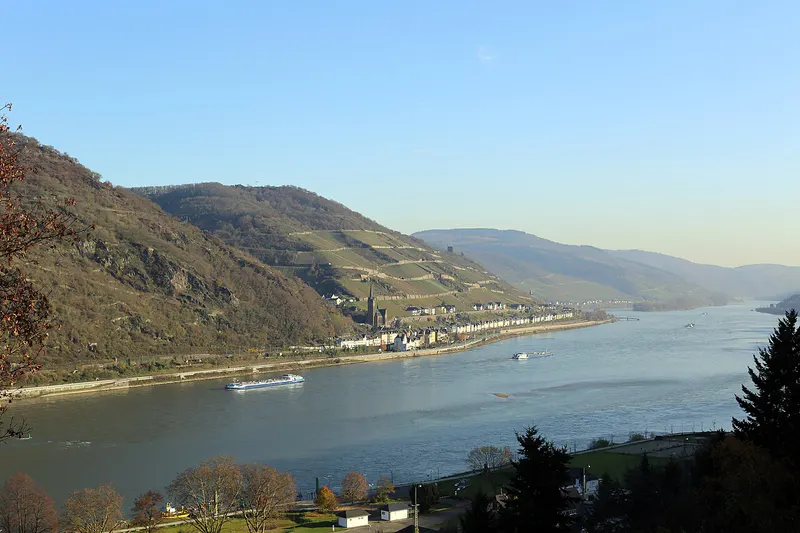
Rhine Valley Wine Tour: Rüdesheim, the Middle Rhine & Mosel Riesling in 5 Days
💰 Comfort · approx. $900–1,350 (≈ €780–1,170), excl. int'l flights
5 Days
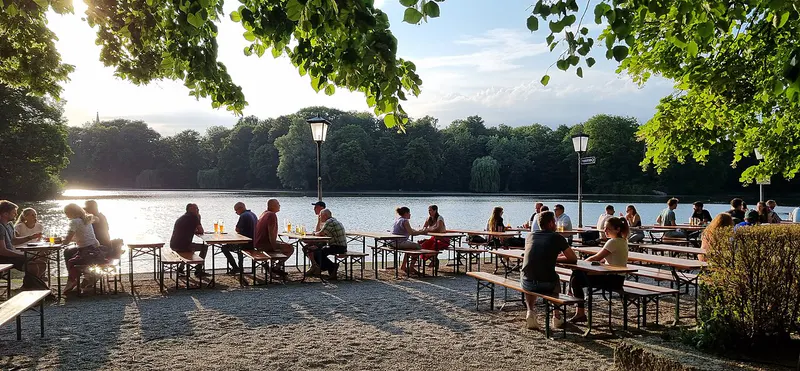
German Beer & Food Tour: Munich, Regensburg & Bamberg in 5 Days
💰 Comfort · approx. $1,050–1,500 (≈ €910–1,300), excl. int'l flights
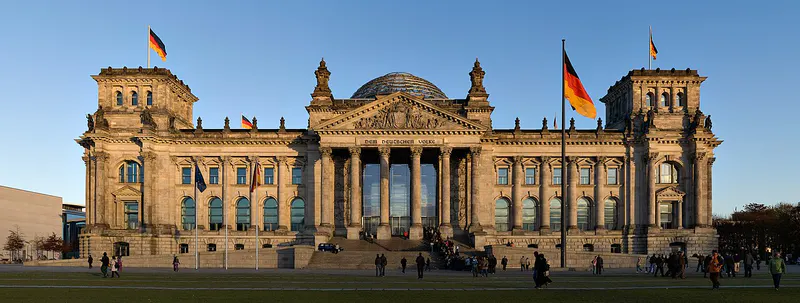
5 Days
Berlin History & Culture Deep-Dive in 5 Days
💰 Comfort · approx. $1,050–1,500 (≈ €910–1,300), excl. int'l flights
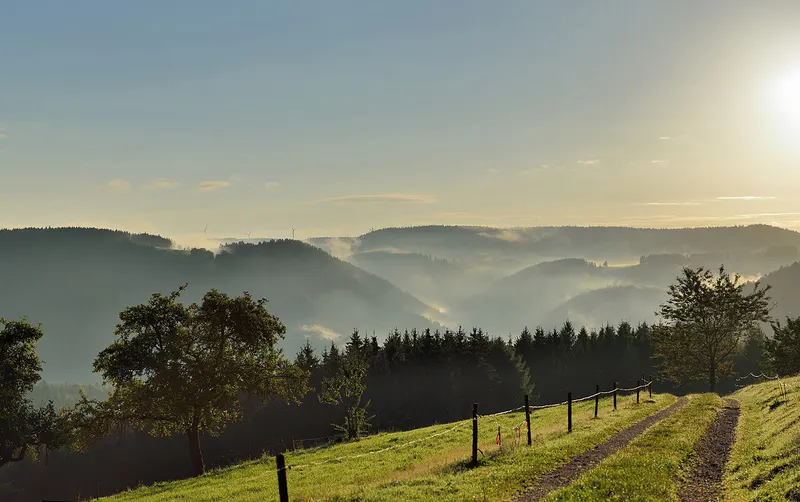
7 Days
Nature & Outdoors: the Black Forest & Bavarian Alps in 7 Days
💰 Comfort · approx. $1,350–1,940 (≈ €1,170–1,690), excl. int'l flights
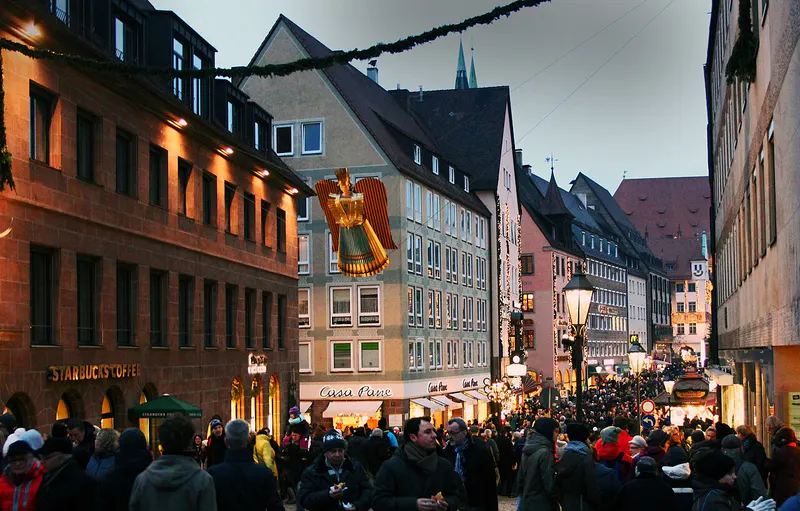
6 Days
German Christmas Markets Tour: Munich, Nuremberg, Rothenburg & Cologne in 6 Days
💰 Comfort · approx. $1,200–1,790 (≈ €1,040–1,560), excl. int'l flights
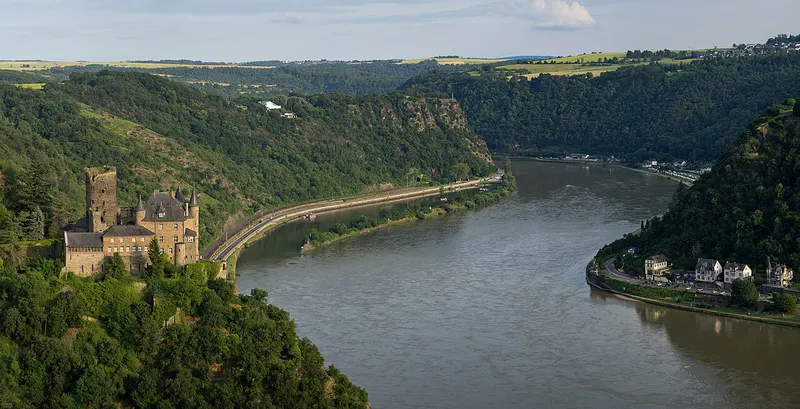
7 Days
Hiking the Rheinsteig: Rhine Castle Trails & Vineyards in 7 Days
💰 Comfort · approx. $1,200–1,790 (≈ €1,040–1,560), excl. int'l flights
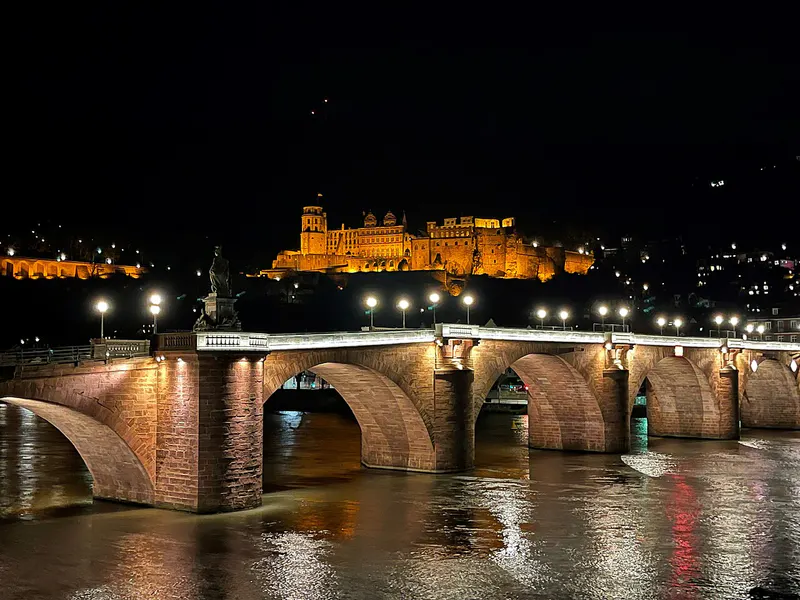
6 Days
Germany's Fairy-Tale Castle Road: Neuschwanstein to Heidelberg in 6 Days
💰 Comfort · approx. $1,200–1,790 (≈ €1,040–1,560), excl. int'l flights
MORE DESTINATIONS
Other Countries in Europe
FAQ
Frequently Asked Questions about Germany
Travel FAQ
Is cash still common in Germany?+
Yes. Cards are accepted in many places, but cash remains common for small purchases, bakeries and some restaurants. Carry some euros. (Germany.travel information on Germany)
Do German trains require seat reservations?+
Usually no. Intercity and ICE trains can be boarded with a ticket, but a reservation is worth it on busy routes and is required for some group or night services.
Is Berlin's Museum Island free?+
No. Each museum charges admission, and a combined pass can save money if you visit several. The island itself and Cathedral exterior are free to walk.
What are the emergency numbers in Germany?+
Dial 110 for police and 112 for fire or medical emergencies. The 112 number works across the EU. (Germany.travel information on Germany)
How do I visit Neuschwanstein from Munich?+
Take a train to Füssen, then a bus to Hohenschwangau. Book the castle tour ahead and allow a full day.