About Austria
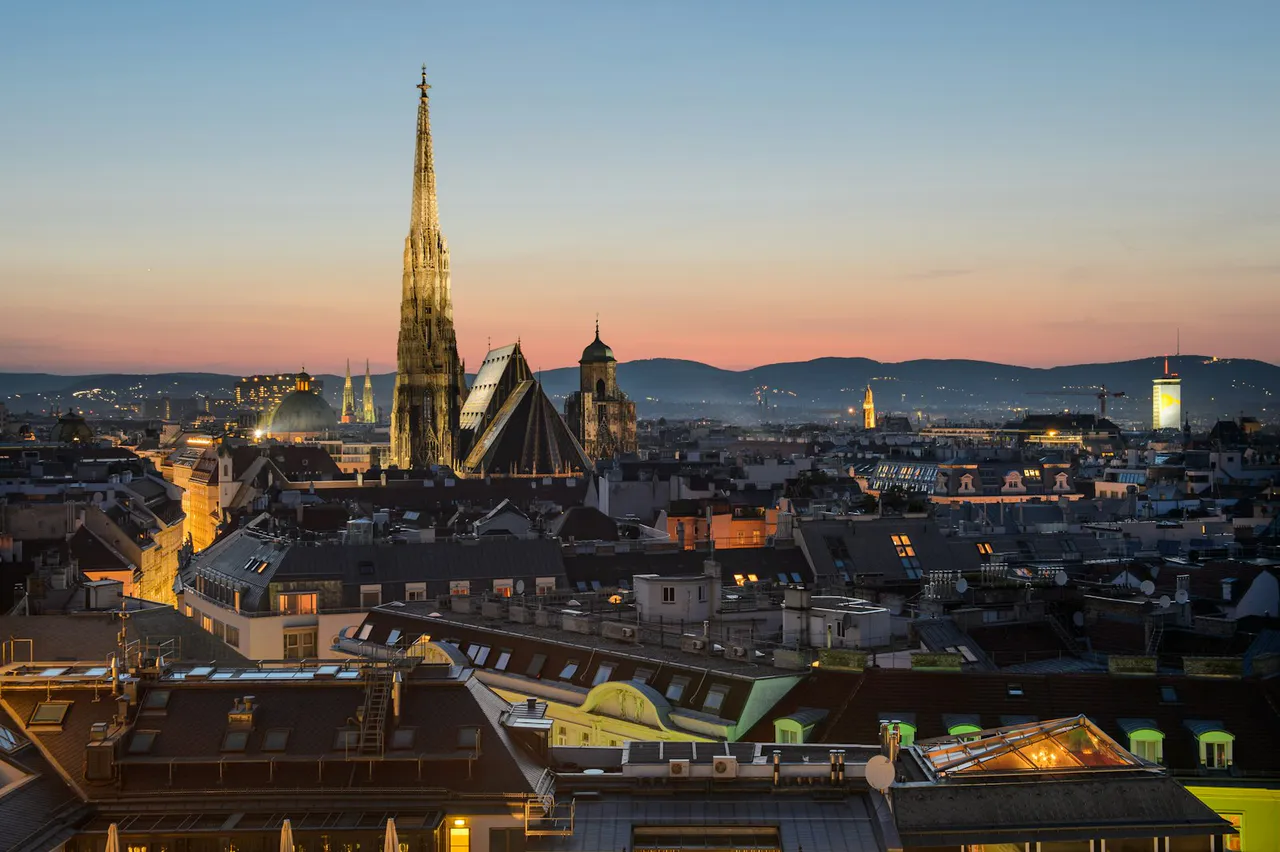
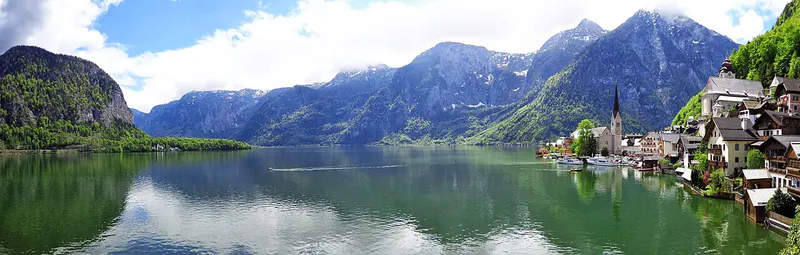
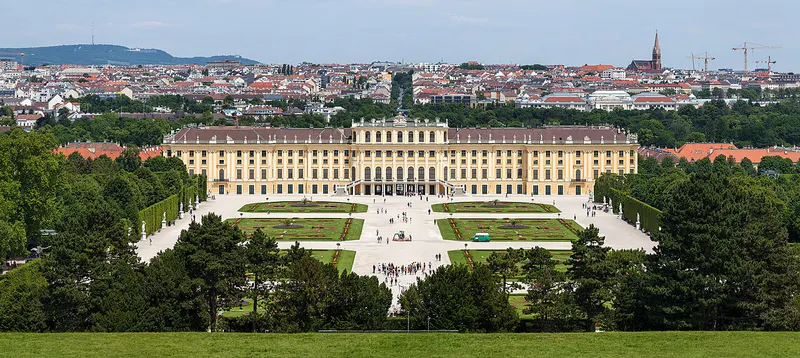
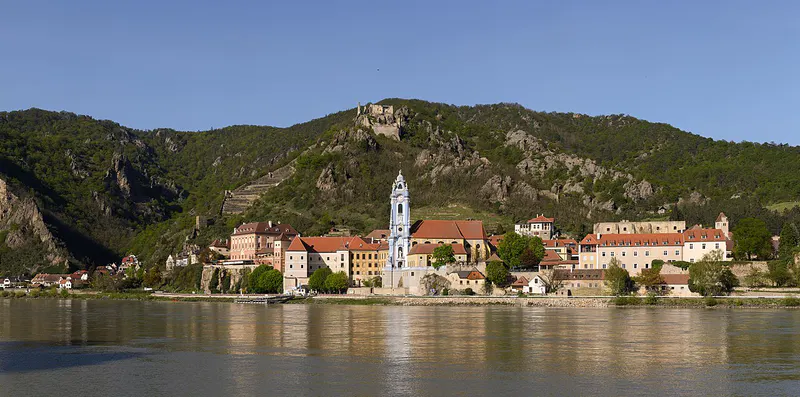
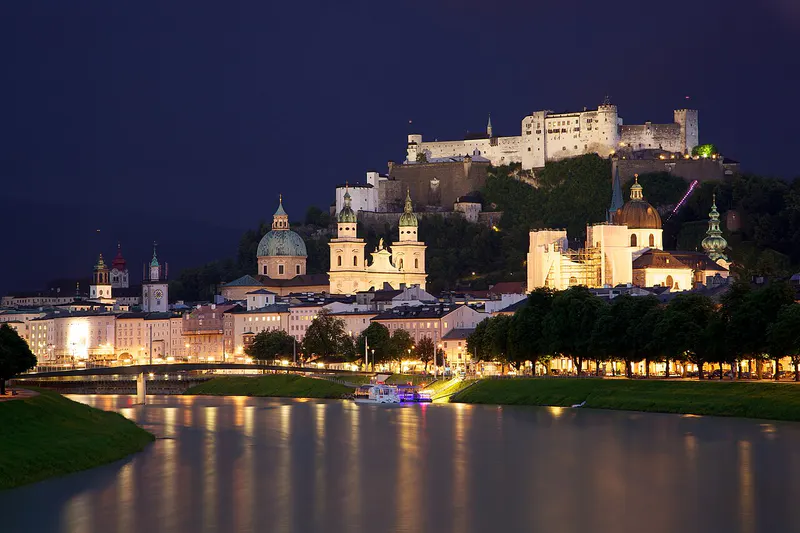
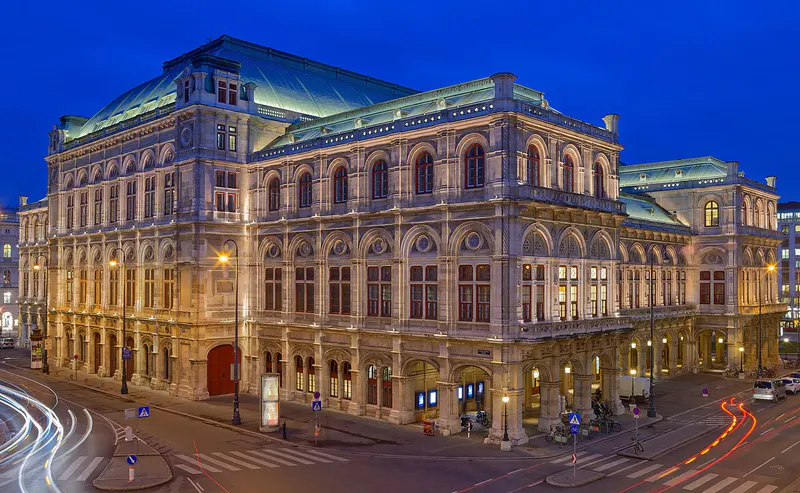
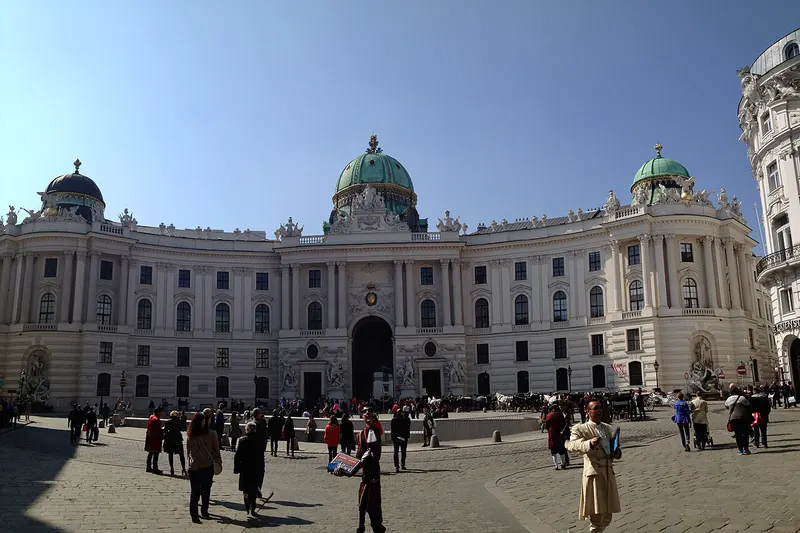
Vienna is a compact imperial capital: the Hofburg, Schönbrunn Palace and the State Opera sit inside a ring road you can cross on foot, and the coffee house is treated as a public living room. Salzburg's old town, Mozart's birthplace, is two and a half hours west by train and the gateway to the Salzkammergut lakes, with Hallstatt on its shore. The Wachau Valley stretches along the Danube between Melk and Krems, given to terraced vineyards and apricot orchards, while Innsbruck and the Tyrol put the Alps within reach of the city centre. Graz in the south has a slower, Mediterranean feel. ÖBB trains are punctual and cover the country without a car; Vienna's U-Bahn and trams run on the same ticket, and mountain lifts are priced separately. Schnitzel, dumplings, apfelstrudel and Sachertorte are the dishes to know, and a würstelstand lunch is the cheap option. Budget days land around $70 to $100 and mid-range $150 to $220, with Vienna, Salzburg and ski resorts highest. Winter belongs to skiing from December to March, while July and August are for hiking and lake swimming; the shoulder months of May to June and September to October are quieter and cheaper. May, June and September are the most comfortable for cities and mountains alike.
Quick Facts
Austria at a Glance
🏛️
Capital
Vienna
🗣️
Language
German
💰
Currency
EUR / Euro
⏰
Time Zone
UTC+1 (UTC+2 DST)
🔌
Voltage & Plug
230V, Type C & F
📞
Dialing Code
+43
👥
Population
~9.1 million, 2024
🌤️
Best Time To Visit
Dec–Mar & Jul–Aug
Best Time to Visit
When to Visit Austria
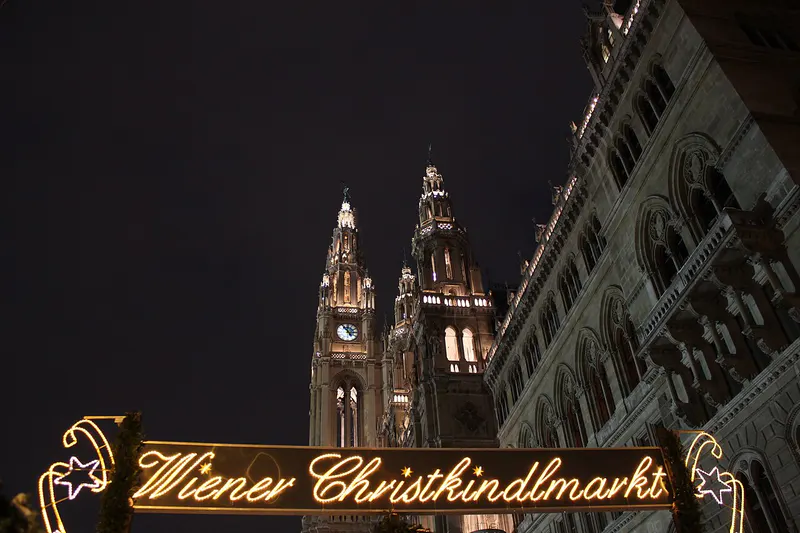
High Season (December-March winter / July-August summer): Two distinct peak seasons. Winter (December-March) is ski season, especially Christmas-New Year and February school holidays. Alpine resorts are packed and prices are 40-70% above shoulder. Summer (July-August) is hiking and lake season with temperatures of 15-25 C in the mountains and 25-30 C in cities like Vienna and Salzburg. Lakes are perfect for swimming. July-August is also peak for classical music festivals. Shoulder Season (April-June, September-November): Excellent value and pleasant conditions. Spring (April-June) brings blooming meadows and melting snow, ideal for early-season hiking and city sightseeing (15-22 C). Autumn (September-November) has golden foliage, fewer crowds, and harvest season in wine regions like Wachau and Burgenland. Crowds are 30-50% lighter than peak and prices are significantly lower. Some ski resorts open as early as November on glaciers. Low Season (April-May between seasons, November before ski season): The quietest periods. Spring and autumn transition months offer the lowest prices and fewest tourists. Many mountain hotels and lifts are closed during these shoulder transitions. However, cities like Vienna, Salzburg, and Graz are wonderful year-round with short museum queues and hotel rates 30-50% below peak. Vienna is magical during the Christmas markets (late November-December), which are a mini-peak of their own.
Visa Information
Visa Policy for Austria
Entry rules for Austria depend on your passport. We track visa-free stays, e-visas and visa-on-arrival rules for US & Canadian, EU & UK, Chinese, and Australian & Japanese passports — with official sources and last-verified dates.
Visa policies are subject to official sources. Please verify with the embassy/consulate before travel.
Budget Reference
Travel Budget for Austria
Budget: $70-100/day (hostel dorm or budget pension 30-50 EUR, wurst stands and grocery meals 15-25 EUR, public transport and regional trains 10-20 EUR, free walking + 1 paid attraction 15-20 EUR) Mid-Range: $150-220/day (3-star hotel or Gasthof 70-130 EUR, restaurant meals with beer 40-60 EUR, rental car or long-distance trains 30-50 EUR, ski passes or guided hikes and attractions 30-60 EUR) Luxury: $300+/day (4-5 star hotel or luxury alpine resort 180-400+ EUR, fine dining and traditional gourmet restaurants 80-150 EUR, private transfer and first-class trains 60-120 EUR, private ski instruction, helicopter tours, and VIP experiences 100-300+ EUR) Per person per day in USD, excluding international flights. Vienna, Salzburg, and alpine ski resorts in peak season are the most expensive. Rural areas and smaller cities are 20-30% cheaper. Austria is more expensive than Southern or Eastern Europe but comparable to Germany and Switzerland. Mountain activities (ski passes, cable cars) add significantly to costs.
Prices are per person per day in USD, excluding international flights.
TOP ATTRACTIONS
Must-Visit Attractions
TRAVEL GUIDES
Travel Guides for Austria
7 Days
Austria Winter: Skiing & Christmas Markets in 7 Days
💰 Comfort · approx. $1,640–2,390 (≈ €1,430–2,080), excl. int'l flights
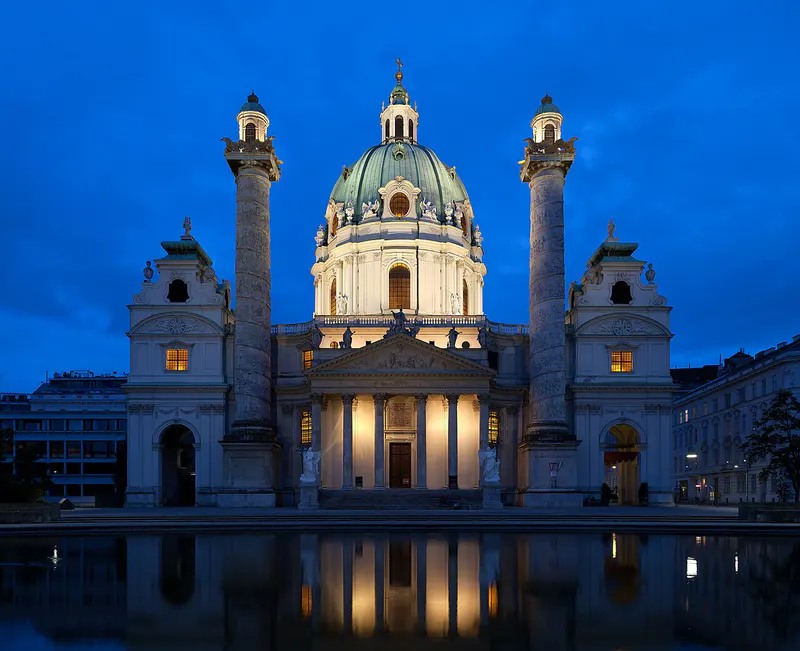
5 Days
Vienna: City of Music & Art in 5 Days
💰 Comfort · approx. $1,050–1,500 (≈ €910–1,300), excl. int'l flights
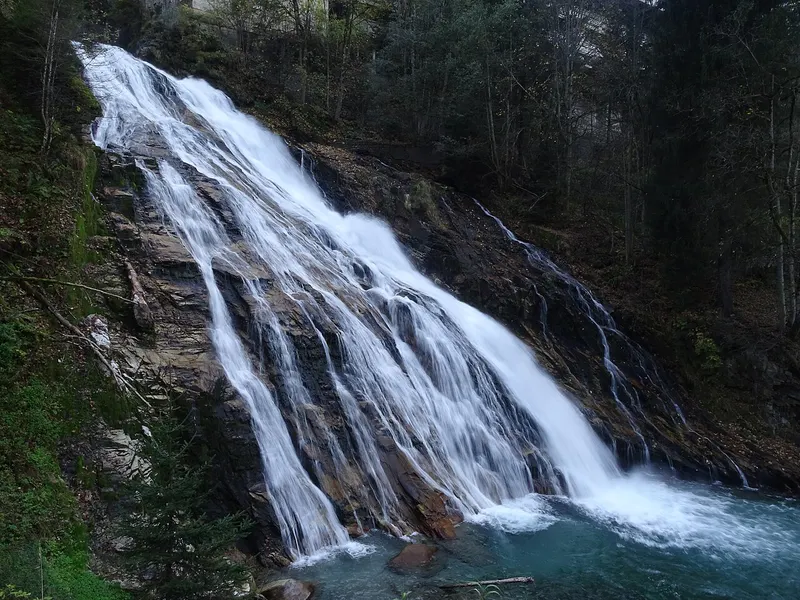
6 Days
Austria Spa Break: Baden bei Wien & Bad Gastein in 6 Days
💰 Wellness · approx. $1,350–2,090 (≈ €1,170–1,820), excl. int'l flights
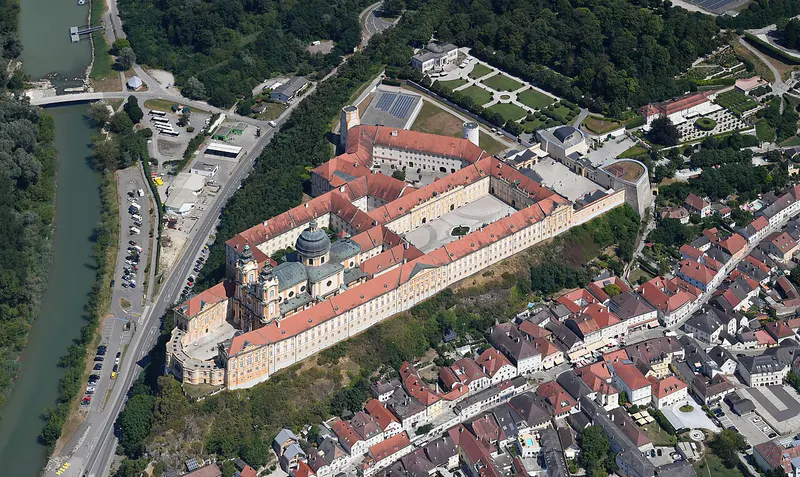
5 Days
Danube Wachau Wine Trail: Melk, Durnstein & Krems in 5 Days
💰 Comfort · approx. $1,050–1,500 (≈ €910–1,300), excl. int'l flights
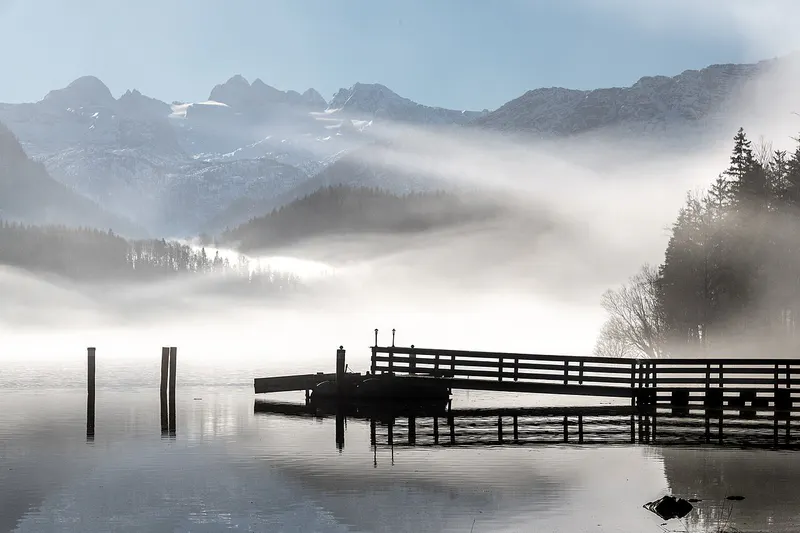
6 Days
Salzkammergut Lake District Nature Break in 6 Days
💰 Comfort · approx. $1,200–1,790 (≈ €1,040–1,560), excl. int'l flights
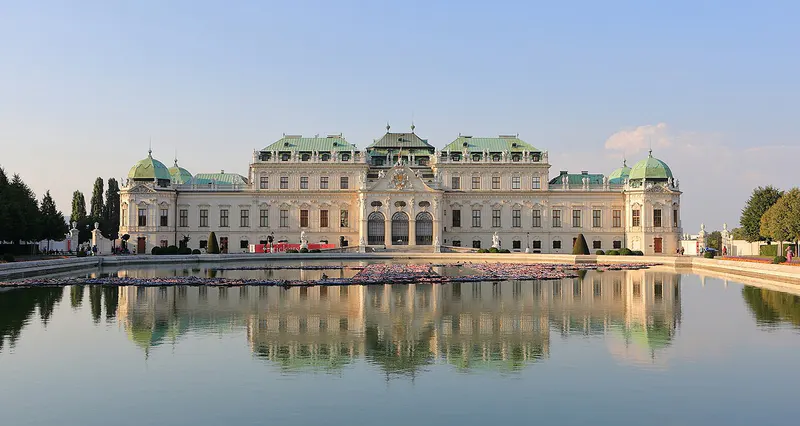
10 Days
Austria Classic: Vienna, Salzburg & the Salzkammergut Lakes in 10 Days
💰 Comfort · approx. $1,940–2,690 (≈ €1,690–2,340), excl. int'l flights
MORE DESTINATIONS
Other Countries in Europe
FAQ
Frequently Asked Questions about Austria
Travel FAQ
How do I get around Austria by train?+
ÖBB trains connect Vienna, Salzburg, Innsbruck and Graz, with regional buses for villages. Book long-distance tickets early for lower fares. (Austria.info official travel information)
What is the emergency number in Austria?+
Dial 112 for general emergencies, 133 for police, 144 for ambulance and 122 for fire. (Austria.info official travel information)
Do I need a vignette to drive in Austria?+
Yes for motorways and expressways. Buy the digital vignette before using them; rental cars may already have one, so check. (Austria.info official travel information)
How do I see the Austrian Alps without a car?+
Use trains and Postbus routes to reach mountain towns, then cable cars or marked trails. Check seasonal timetables, as some routes stop in winter.