About Italy
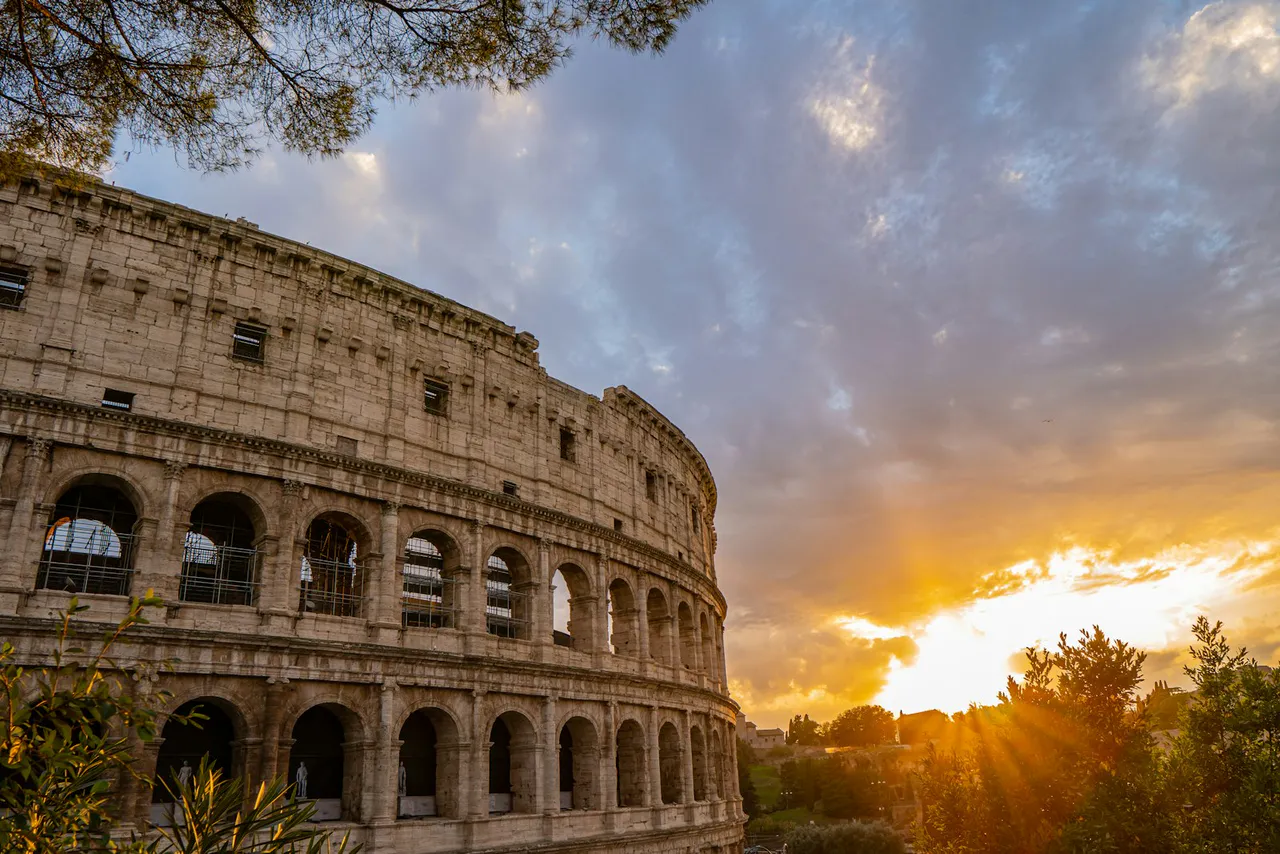
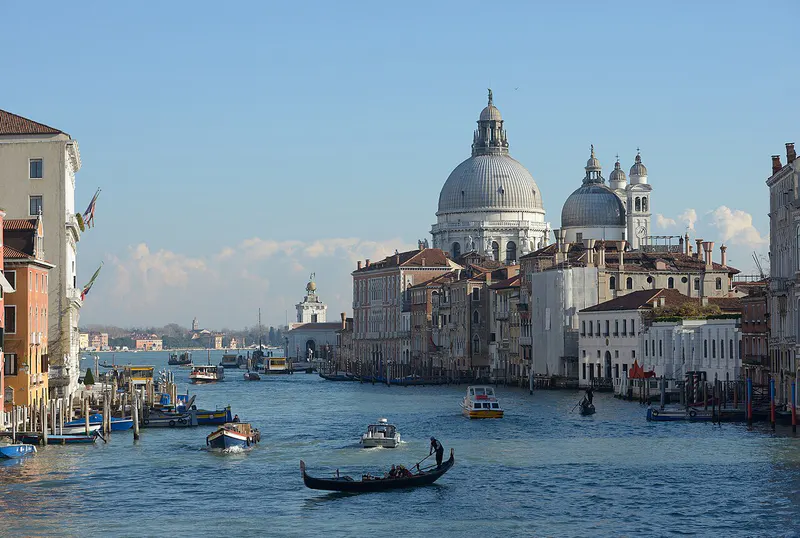
Italy occupies a long peninsula in southern Europe, with Rome as its capital and a varied geography of Alps, Apennines, lakes, coastal plains and two major islands, Sicily and Sardinia. Rome, Florence, Venice, Milan and Naples are the best-known city destinations, but smaller centres such as Bologna, Turin, Verona and Lecce offer strong food, art and architecture with fewer crowds. The country has an exceptional concentration of Roman remains, Renaissance collections, medieval hill towns and UNESCO sites. Food is strongly regional: risotto and polenta in the north, pasta and olive oil in the south, and distinctive cheeses and wines across the country. High-speed rail links many major cities, while ferries connect the islands and coastal towns. A realistic first trip usually focuses on one region or a simple Rome-Florence-Venice route. Summer is hottest and busiest; spring and autumn are more comfortable for sightseeing. Verify opening days and timed-entry tickets on official museum and tourism sites.
Quick Facts
Italy at a Glance
🏛️
Capital
Rome
🗣️
Language
Italian
💰
Currency
EUR / Euro
⏰
Time Zone
UTC+1 (UTC+2 DST)
🔌
Voltage & Plug
230V, Type C, F & L
📞
Dialing Code
+39
👥
Population
~58.9 million, 2024
🌤️
Best Time To Visit
Apr–Jun & Sep–Oct
Best Time to Visit
When to Visit Italy
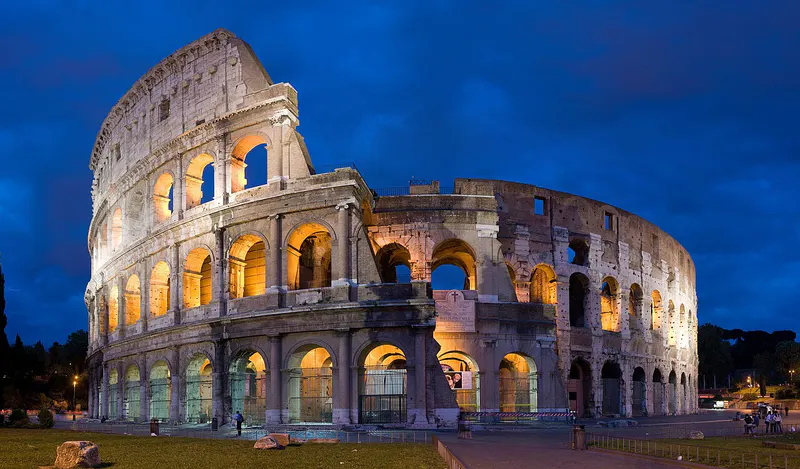
High Season (July-August): Hot and crowded across the country. Rome and Florence regularly hit 32-37 C. Coastal areas (Amalfi Coast, Cinque Terre, Sicily) are at peak capacity with hotels 40-70% above shoulder rates. Major sites like the Colosseum and Uffizi sell out days in advance. August sees many Italians leave cities for the coast. Shoulder Season (April-June, September-October): The best time to visit. Temperatures are 18-28 C across most of the country. Crowds are 40-60% thinner than peak. Spring has blooming gardens and comfortable city walking; autumn brings harvest season in Tuscany and Piedmont wine regions, plus mild sea temperatures into October. Low Season (November-March): Cool to cold, with rain more frequent (5-15 C in most northern and central areas; milder 10-18 C in the south and Sicily). Many coastal resorts and island hotels close from November to March. However, cities are fantastic for museum and food tourism - queues vanish and hotel rates drop 30-50%. Ski season runs December-April in the Alps and Dolomites.
Visa Information
Visa Policy for Italy
Entry rules for Italy depend on your passport. We track visa-free stays, e-visas and visa-on-arrival rules for US & Canadian, EU & UK, Chinese, and Australian & Japanese passports — with official sources and last-verified dates.
Visa policies are subject to official sources. Please verify with the embassy/consulate before travel.
Budget Reference
Travel Budget for Italy
Budget: $70-110/day (hostel dorm 25-40 EUR, pizza/kebab and grocery meals 15-20 EUR, local bus/metro pass 6-10 EUR, free walking tours + 1-2 paid attractions 10-15 EUR) Mid-Range: $150-250/day (3-star hotel or Airbnb 70-130 EUR, trattoria meals 30-50 EUR, regional trains or buses 10-20 EUR, museums and attractions 20-35 EUR) Luxury: $300-600+/day (4-5 star hotel 180-400 EUR, fine dining 70-150 EUR, private driver or high-speed trains 80-150 EUR, exclusive tours and wine tastings 40-100 EUR) Per person per day in USD, excluding international flights. Venice, Milan, and the Amalfi Coast are 25-40% above average. Southern Italy and Sicily are 15-25% cheaper than the north.
Prices are per person per day in USD, excluding international flights.
TOP ATTRACTIONS
Must-Visit Attractions
TRAVEL GUIDES
Travel Guides for Italy
8 Days
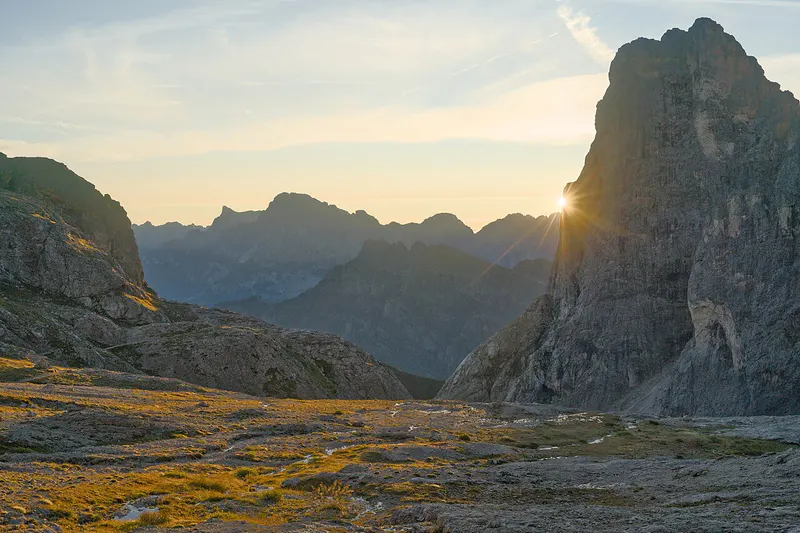
Italy Outdoors: The Dolomites & Lake Como in 8 Days
💰 Comfort · approx. $1,640–2,390 (≈ €1,430–2,080), excl. int'l flights
8 Days
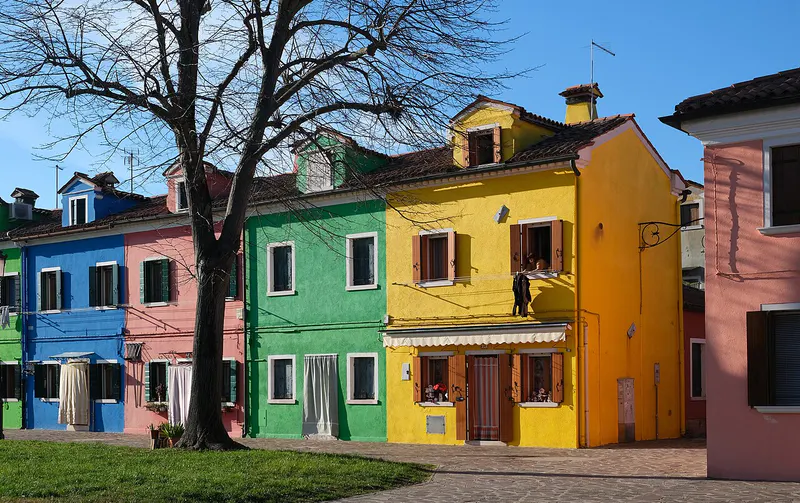
Italy Honeymoon: The Amalfi Coast & Venice in 8 Days
💰 Luxury · approx. $2,990–4,190 (≈ €2,600–3,640), excl. int'l flights
7 Days
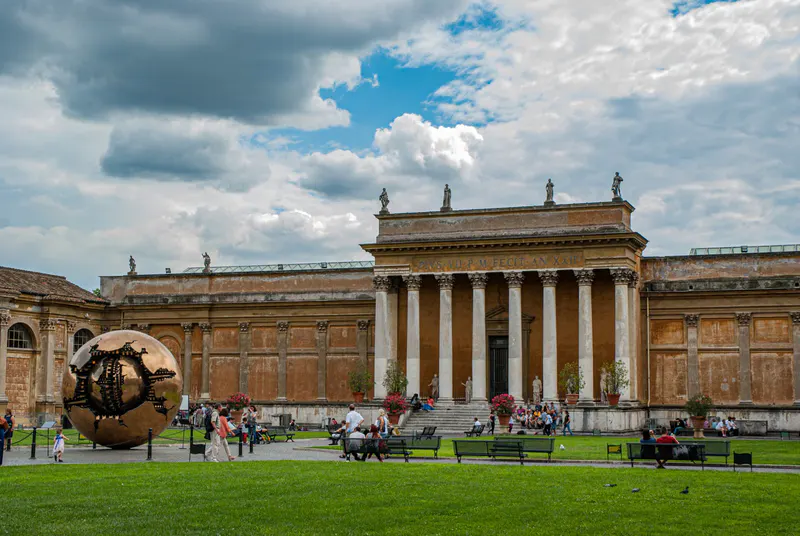
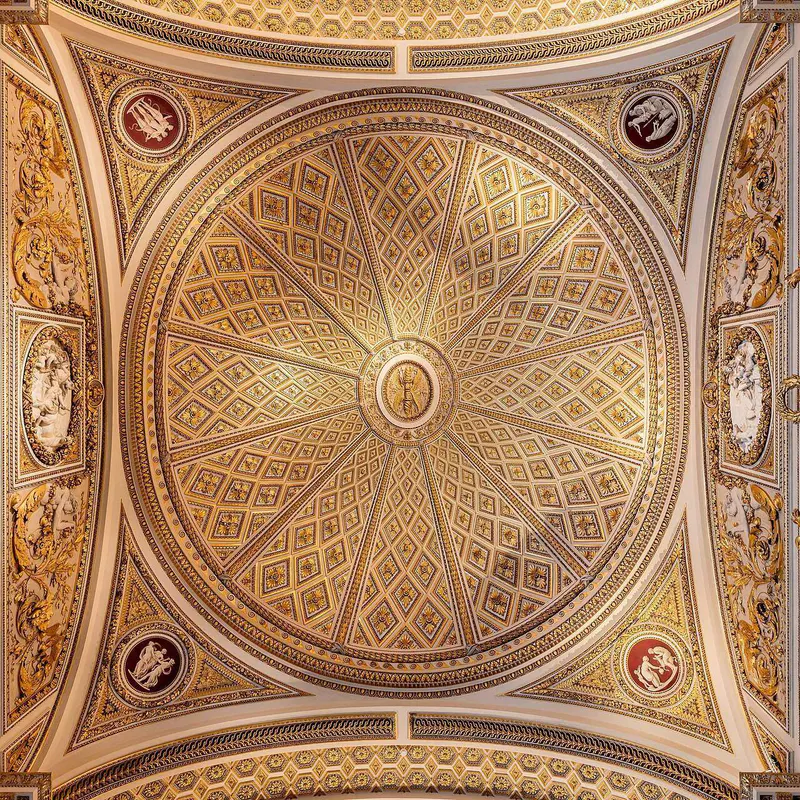
Renaissance Art Tour: Florence & the Vatican in 7 Days
💰 Comfort · approx. $1,350–1,940 (≈ €1,170–1,690), excl. int'l flights
7 Days
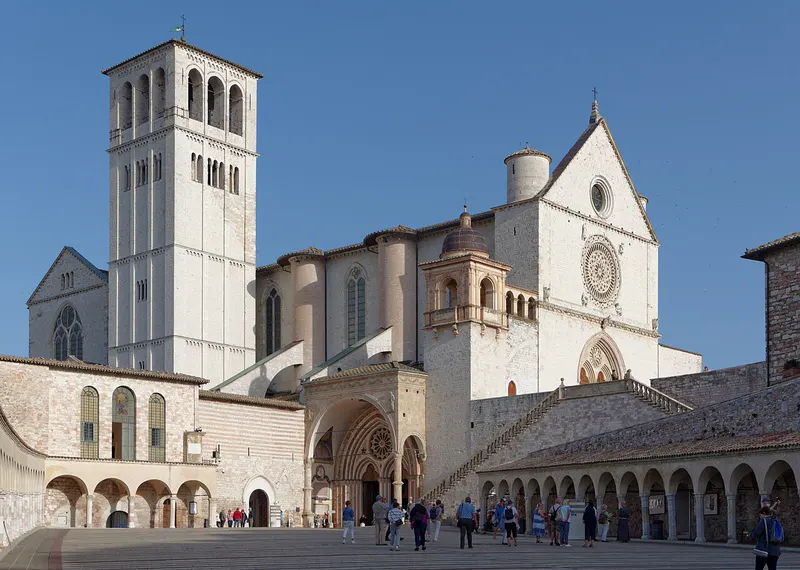
Italy's Sacred Sites: The Vatican, Assisi & Padua in 7 Days
💰 Comfort · approx. $1,350–1,940 (≈ €1,170–1,690), excl. int'l flights
14 Days
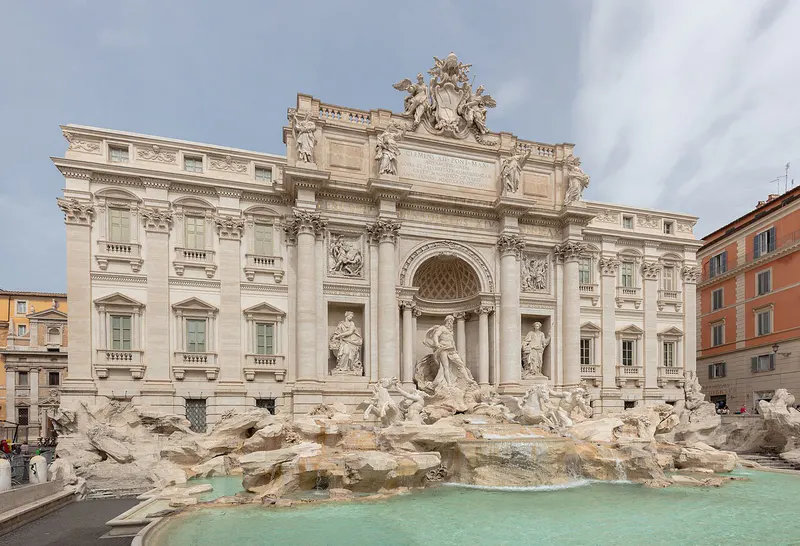
Italy Classic Highlights: Rome, Florence, Venice & the Amalfi Coast in 14 Days
💰 Comfort · approx. $2,390–3,290 (≈ €2,080–2,860), excl. int'l flights
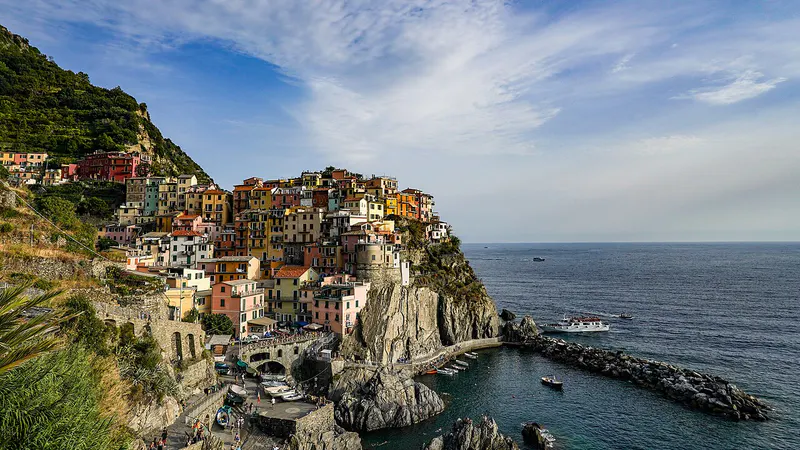
7 Days
Italy for Families: Gardaland & the Cinque Terre in 7 Days
💰 Comfort · approx. $1,500–2,090 (≈ €1,300–1,820), excl. int'l flights; per family of 2 (1 adult + 1 child)
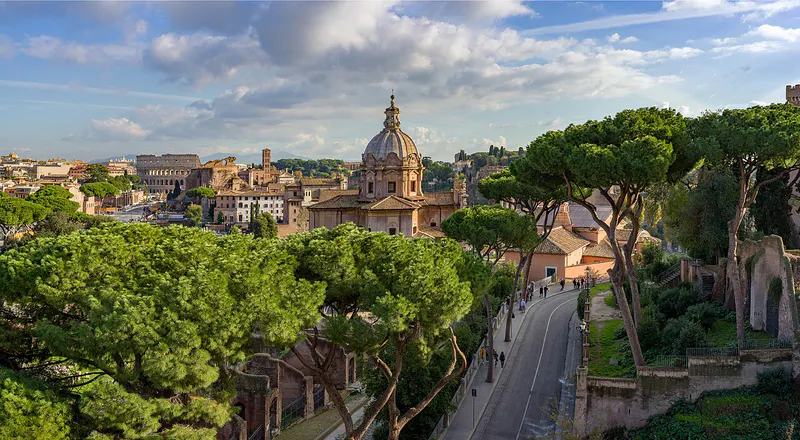
8 Days
In the Footsteps of Ancient Rome: Rome & Pompeii in 8 Days
💰 Comfort · approx. $1,350–1,940 (≈ €1,170–1,690), excl. int'l flights
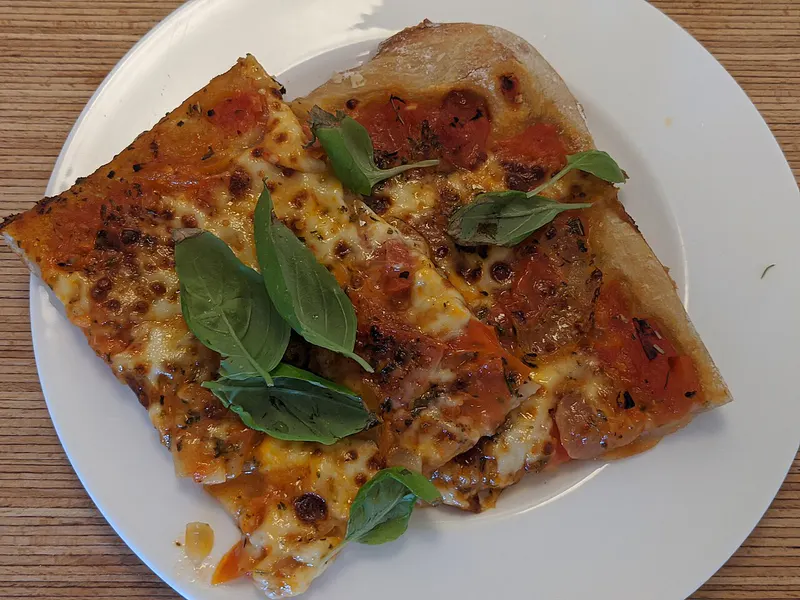
8 Days
Italian Food Journey: Rome, Naples & Bologna in 8 Days
💰 Foodie Plus · approx. $1,790–2,540 (≈ €1,560–2,210), excl. int'l flights
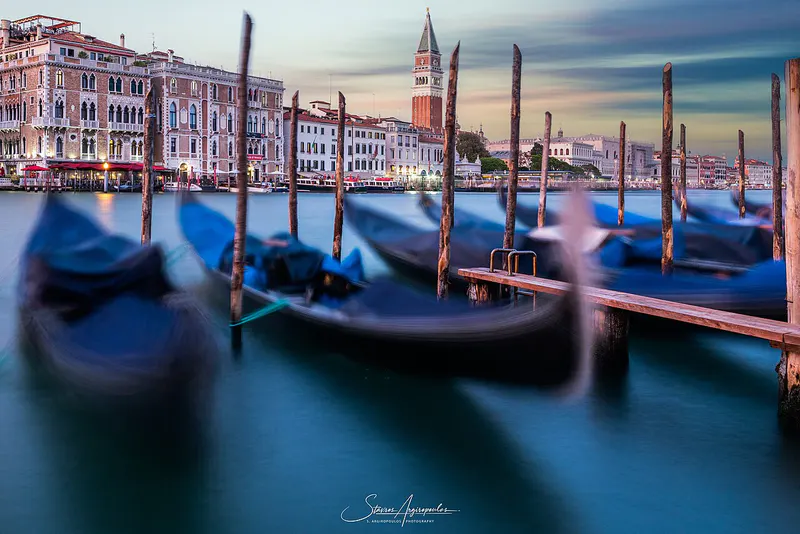
4 Days
Venice in Depth: 4 Days in the Floating City
💰 Comfort · approx. $900–1,350 (≈ €780–1,170), excl. int'l flights
7 Days
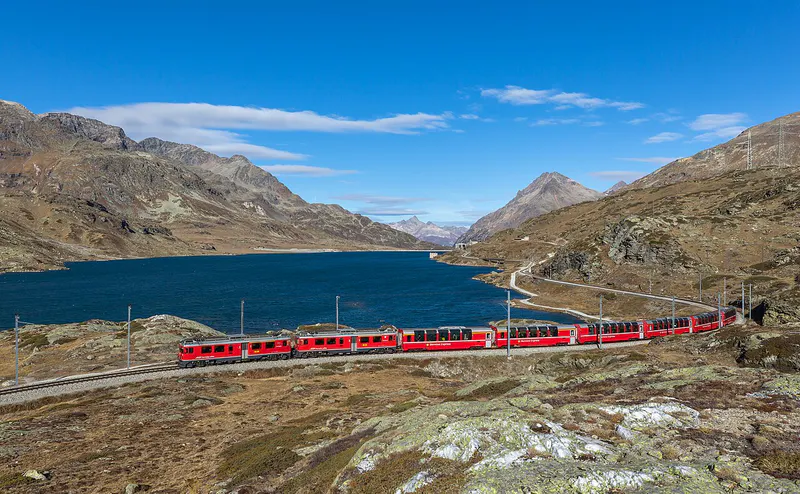
Scenic Rail of Italy: The Bernina Express in 7 Days
💰 Comfort · approx. $1,640–2,240 (≈ €1,430–1,950), excl. int'l flights
MORE DESTINATIONS
Other Countries in Europe
FAQ
Frequently Asked Questions about Italy
Travel FAQ
What driving licence do I need to drive in Italy?+
EU licences are accepted. Non-EU visitors may need an International Driving Permit alongside their home licence; check the Italian embassy or rental company before booking.
How do I pay for parking in Italy?+
Blue lines mean paid parking, white lines are usually free and yellow lines are reserved. Pay at a meter, a tobacconist or a parking app, and display the ticket clearly.
How do I travel between Italian cities?+
High-speed trains connect Rome, Florence, Venice, Milan and Naples; regional trains serve smaller towns. Book popular routes ahead and validate paper tickets before boarding.
Do I need to validate train tickets in Italy?+
Paper tickets must be validated in the platform machine before boarding. Digital tickets bought in the app do not need a separate stamp, but check the operator's instructions. (Italia.it transport information)
How do I visit Pompeii from Naples?+
Take the Circumvesuviana train to Pompei Scavi, then walk to the site. Go early and allow at least half a day.