About Spain
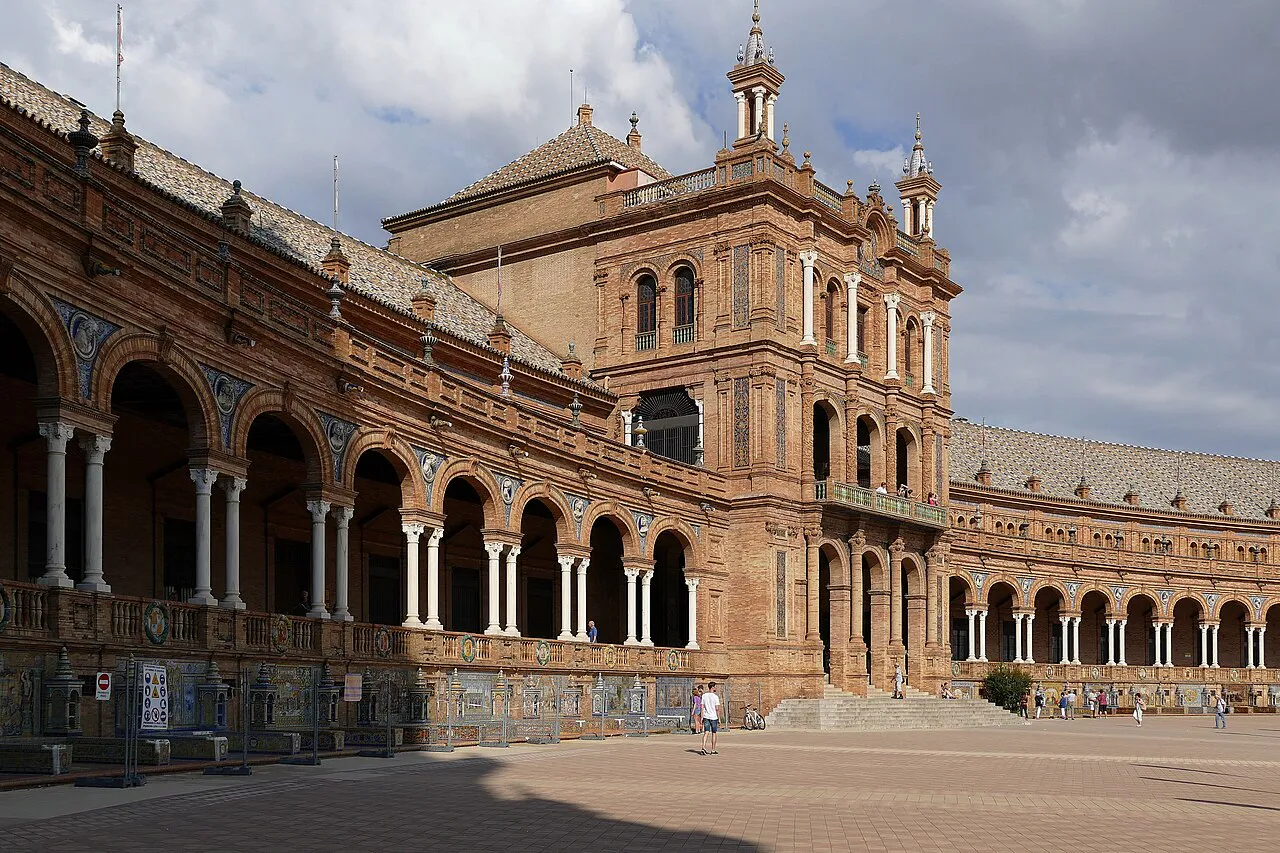
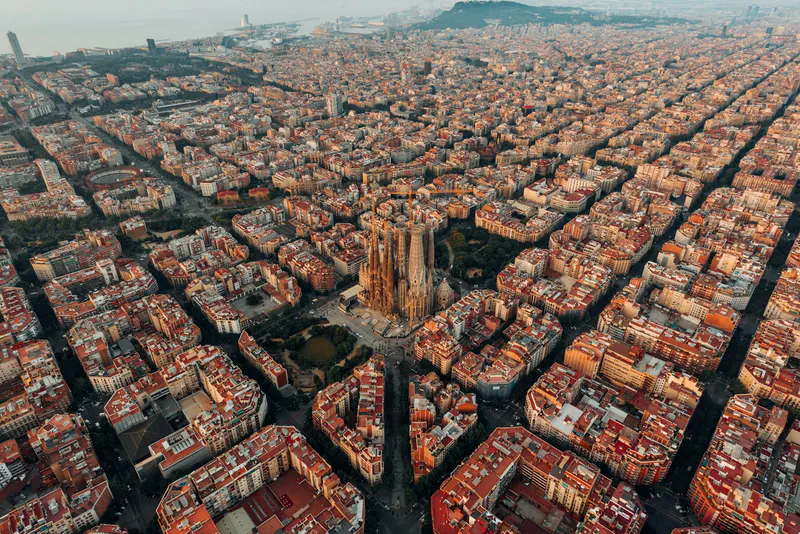
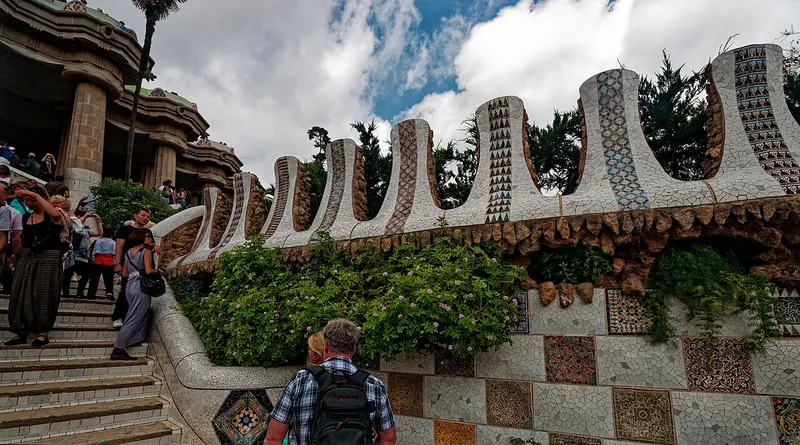
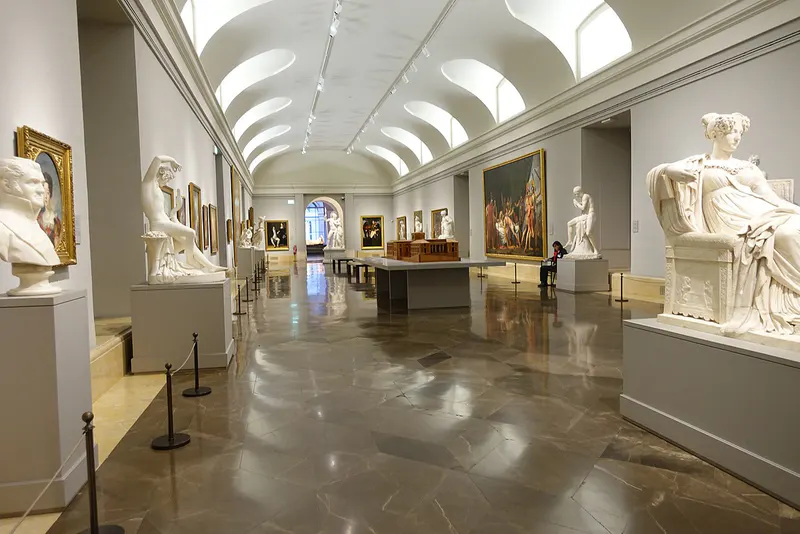
Spain packs several distinct travel experiences into one country. Madrid holds the Prado and the Reina Sofía, plus a nightlife that runs until dawn, while Barcelona looks to Gaudí's Sagrada Família, Park Güell and Casa Batlló. Andalusia in the south is where the Alcázar of Seville and the Alhambra in Granada sit among whitewashed towns and olive groves; the Basque Country around Bilbao and San Sebastián has its own language, cider houses and pintxos bars, and Galicia on the Atlantic coast offers seafood and a wet, green landscape unlike the rest of the peninsula. The AVE high-speed network links Madrid, Seville and Barcelona in a few hours, though regional buses reach smaller towns more cheaply. Eating at a bar counter or taking the fixed-price menú del día at lunch keeps costs near the budget range of roughly $55 to $85 a day, with mid-range spending nearer $120 to $180; Madrid and Barcelona run highest, Andalusia lower. Summer bakes the interior, with Seville and Madrid often above 35°C in July and August, while the north stays cooler and wetter. Spring (April-May) and autumn (September-October) bring mild weather, thinner crowds and warm sea temperatures into October.
Quick Facts
Spain at a Glance
🏛️
Capital
Madrid
🗣️
Language
Spanish
💰
Currency
EUR / Euro
⏰
Time Zone
UTC+1 (UTC+2 DST)
🔌
Voltage & Plug
230V, Type C & F
📞
Dialing Code
+34
👥
Population
~48.6 million, 2024
🌤️
Best Time To Visit
Jun–Sep
Best Time to Visit
When to Visit Spain
High Season (June-August): Peak summer with hot, dry weather (28-35°C in most areas, can exceed 40°C inland and in the south). Coastal areas like Barcelona, Costa del Sol, and the Balearic Islands are packed. Prices surge - book accommodation 3-6 months ahead. Inland cities like Madrid and Seville can be oppressively hot. August is when many locals leave cities for coastal vacations. Shoulder Season (April-May, September-October): The best time to visit Spain. Pleasant temperatures (15-25°C in most areas), fewer crowds, and lower prices. Spring brings blooming flowers across the country. Autumn offers warm sea water for swimming plus harvest season and wine festivals. Perfect for city sightseeing and hiking. Low Season (November-March): Cooler weather (8-15°C in most of Spain), with rain especially in the north. The south (Andalusia, Canary Islands) remains mild (15-20°C). Ski season in the Sierra Nevada and Pyrenees runs December-March. Prices are lowest and crowds minimal. Christmas markets and winter festivals add charm. Great for city breaks and cultural travel.
Visa Information
Visa Policy for Spain
Entry rules for Spain depend on your passport. We track visa-free stays, e-visas and visa-on-arrival rules for US & Canadian, EU & UK, Chinese, and Australian & Japanese passports — with official sources and last-verified dates.
Visa policies are subject to official sources. Please verify with the embassy/consulate before travel.
Budget Reference
Travel Budget for Spain
Budget: $55-85/day (Budget hostel or pension 25-40 EUR, tapas and menu del dia 10-15 EUR, metro/bus 2-4 EUR, free sights + one paid attraction 8-12 EUR. Eating at local bars and taking advantage of menu del dia lunch specials is the key to saving money.) Mid-Range: $120-180/day (Nice boutique hotel or 3-star 70-120 EUR, sit-down restaurant meals 25-40 EUR, regional train or bus 15-30 EUR, tours and attractions 15-25 EUR. Includes some tapas bar experiences and museum visits.) Luxury: $250-400+/day (Luxury hotel or parador 180-300+ EUR, fine dining with wine 60-120 EUR, private transfers and high-speed AVE train 50-100 EUR, premium experiences and guided tours 40-80 EUR. Spain has some of Europe's best luxury value.) Per person per day in USD, excluding international flights. Madrid and Barcelona are the most expensive cities. Andalusia and smaller towns are significantly cheaper (20-30% less). Spain is generally one of the more affordable Western European countries.
Prices are per person per day in USD, excluding international flights.
TOP ATTRACTIONS
Must-Visit Attractions
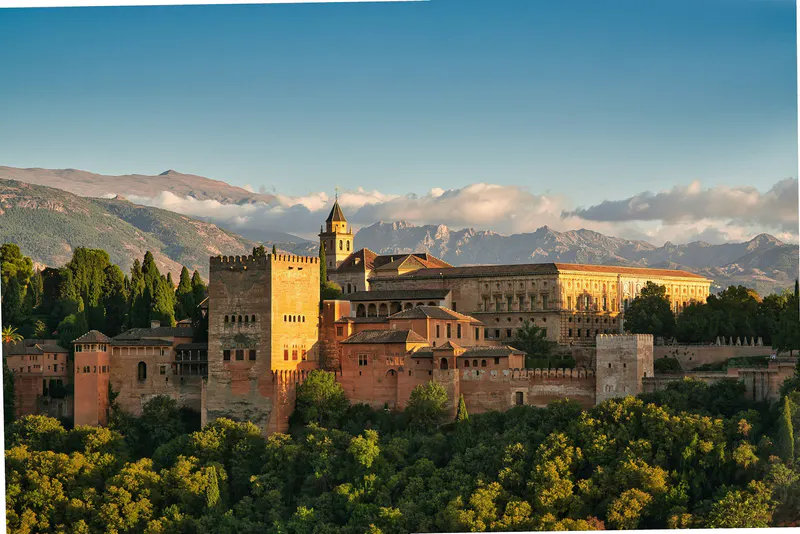
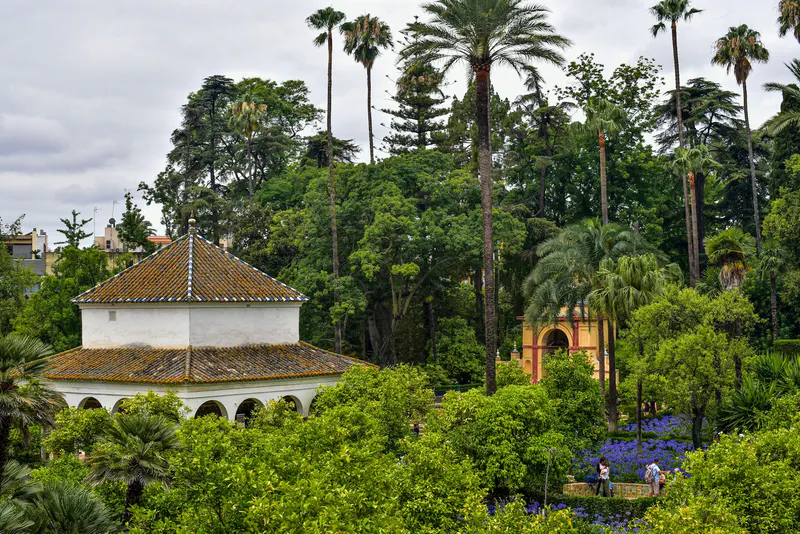
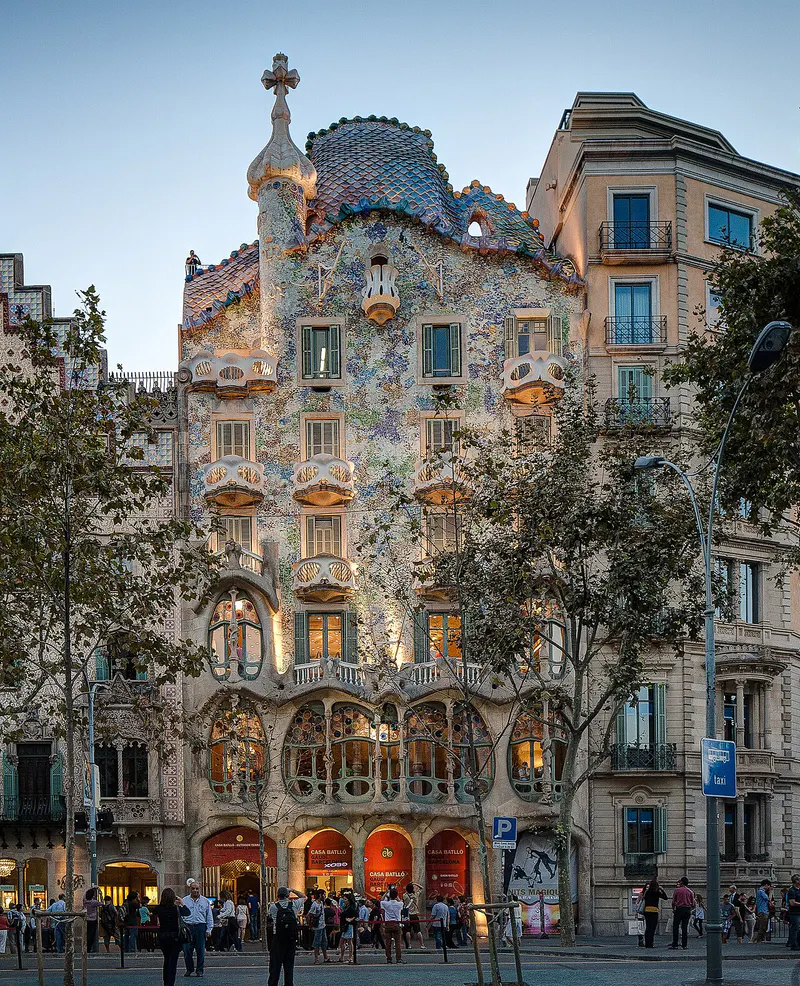
TRAVEL GUIDES
Travel Guides for Spain
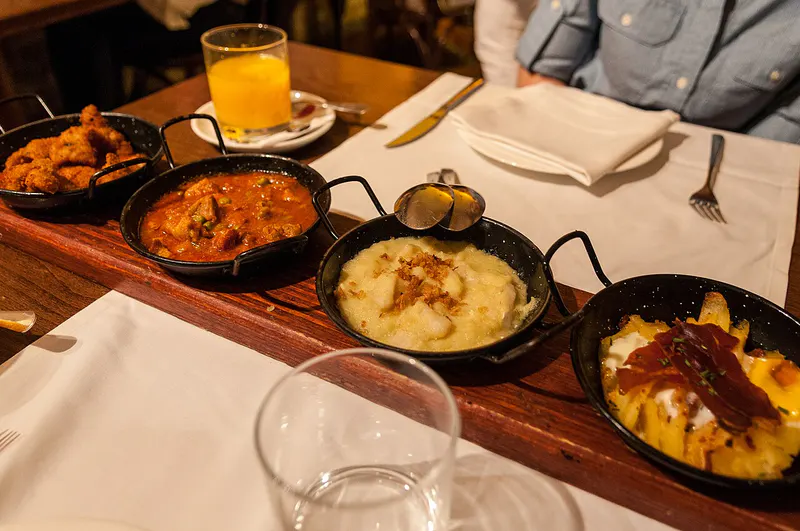
8 Days
Spanish Food Journey: San Sebastian, La Rioja & Madrid in 8 Days
💰 Foodie Plus · approx. $1,940–2,690 (≈ €1,690–2,340), excl. int'l flights
6 Days
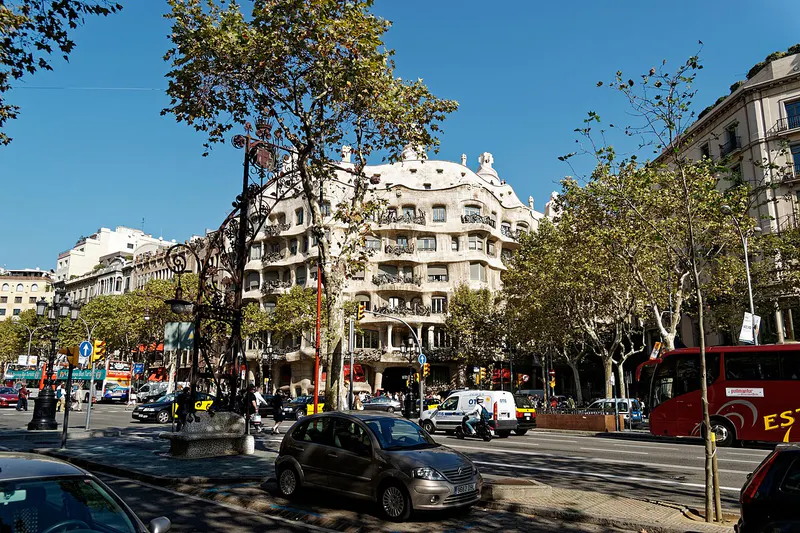
Gaudis Barcelona & the Prado: Spain Art & Architecture in 6 Days
💰 Comfort · approx. $1,200–1,640 (≈ €1,040–1,430), excl. int'l flights
8 Days
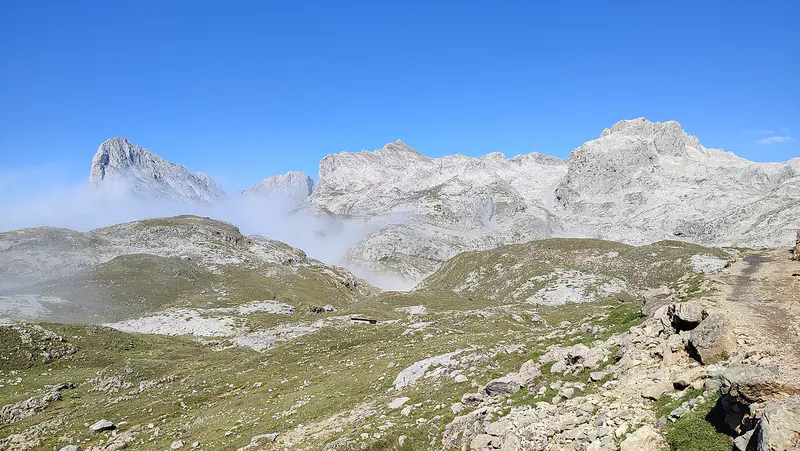
Spain Wilderness: Picos de Europa National Park in 8 Days
💰 Comfort · approx. $1,350–1,940 (≈ €1,170–1,690), excl. int'l flights
7 Days
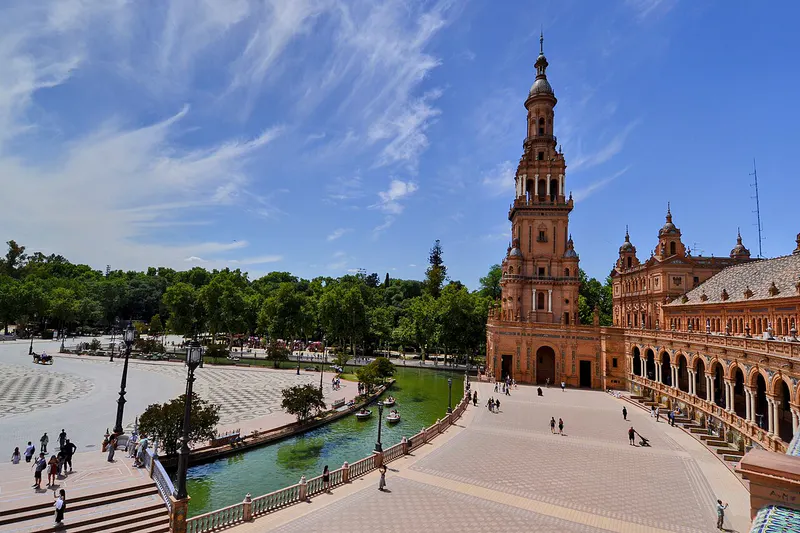
Andalusian Honeymoon: Seville, Cordoba & Granada in 7 Days
💰 Luxury · approx. $2,090–2,990 (≈ €1,820–2,600), excl. int'l flights
7 Days
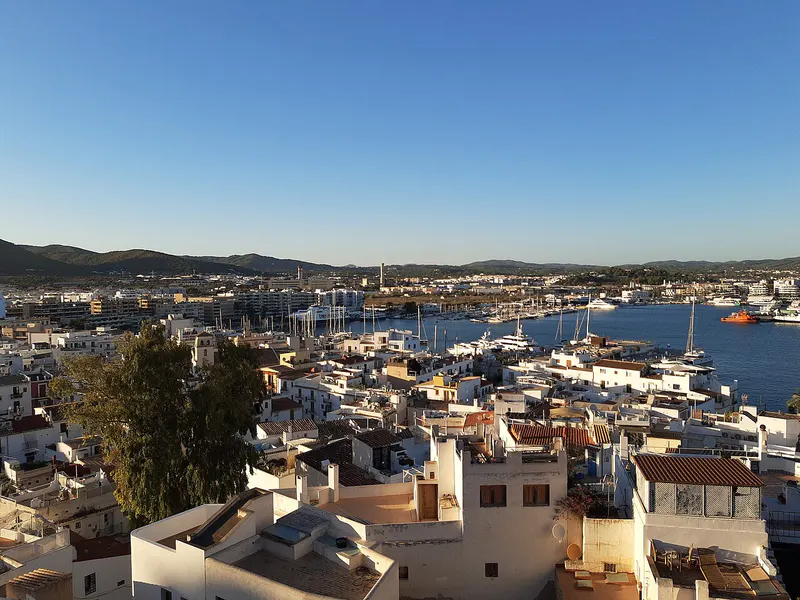
Spanish Islands: Mallorca & Ibiza in 7 Days
💰 Luxury · approx. $2,240–3,290 (≈ €1,950–2,860), excl. int'l flights
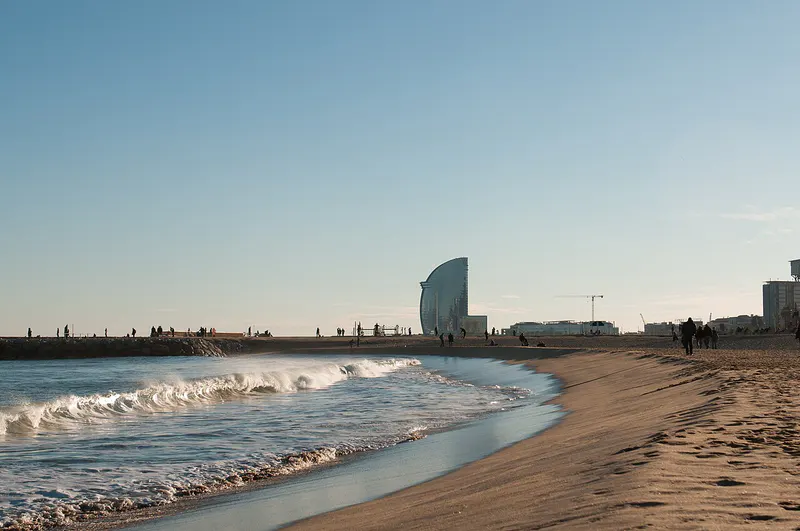
7 Days
Barcelona & PortAventura: 7-Day Family Trip
💰 Comfort · approx. $1,500–2,090 (≈ €1,300–1,820), excl. int'l flights; per family of 2 (1 adult + 1 child)
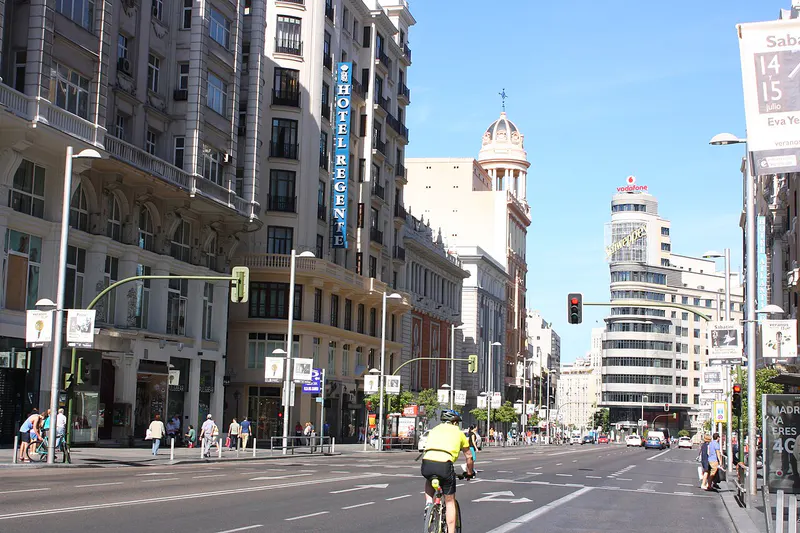
6 Days
Spanish Nightlife: Madrid, Barcelona & Ibiza in 6 Days
💰 Comfort · approx. $1,350–1,940 (≈ €1,170–1,690), excl. int'l flights
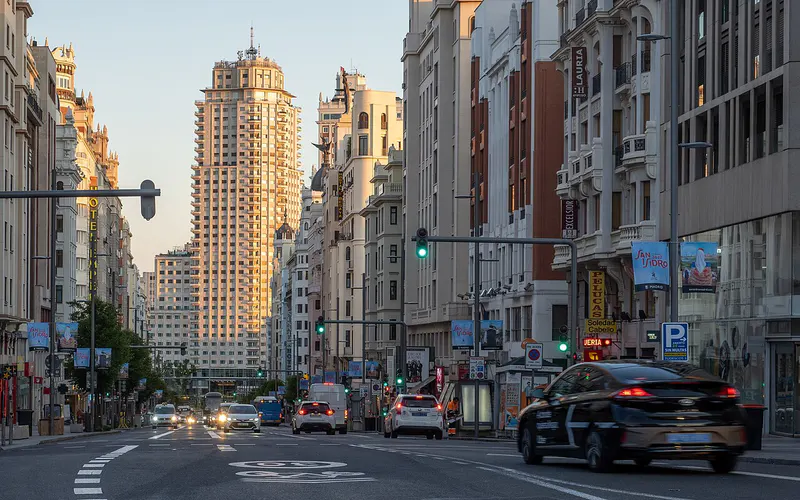
12 Days
Spain Classic Highlights: Barcelona, Madrid & Andalusia in 12 Days
💰 Comfort · approx. $1,790–2,390 (≈ €1,560–2,080), excl. int'l flights
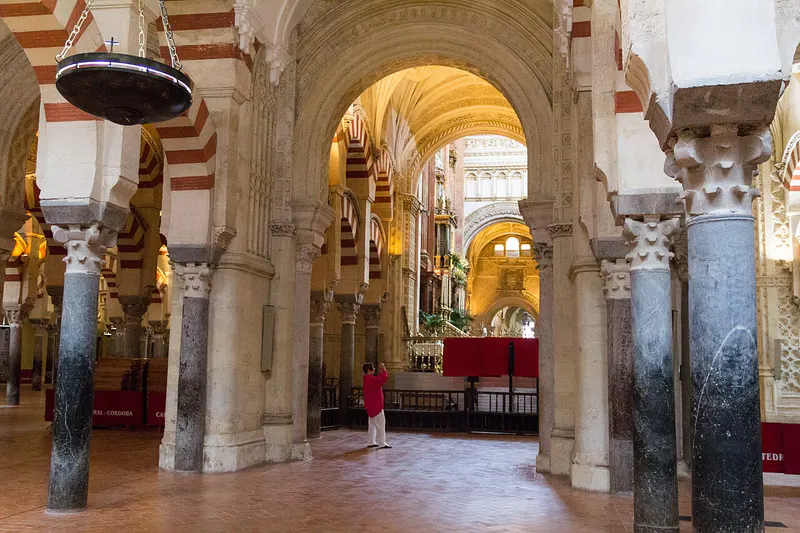
7 Days
Moorish Andalusia: Granada, Seville & Cordoba in 7 Days
💰 Comfort · approx. $1,350–1,790 (≈ €1,170–1,560), excl. int'l flights
6 Days
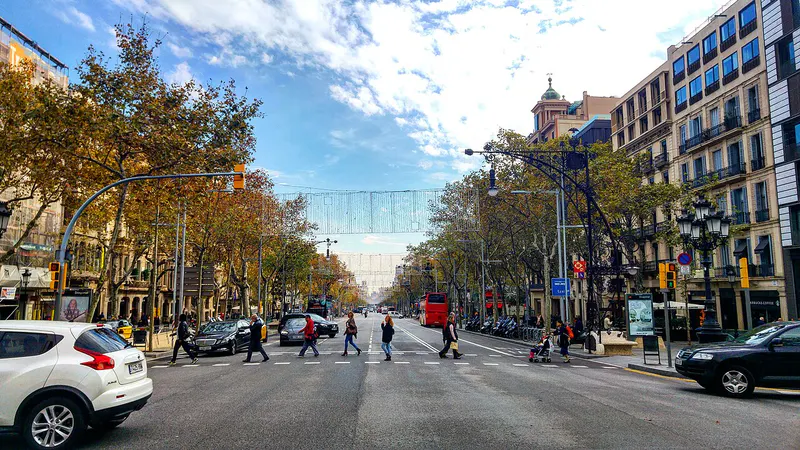
Spain Shopping: Las Rozas Village & Barcelona in 6 Days
💰 Shopping · approx. $1,050–1,640 (≈ €910–1,430), excl. int'l flights & shopping
MORE DESTINATIONS
Other Countries in Europe
FAQ
Frequently Asked Questions about Spain
Travel FAQ
Is Spain a safe country for tourists?+
Spain is generally very safe. The main risk is petty theft in crowded tourist areas, so keep bags zipped, avoid displaying valuables and stay alert in markets and transport hubs.
What are typical opening hours in Spain?+
Many shops open around 9:30-13:30 and 16:30-20:00, though large cities and chains often stay open all day. Lunch is late and dinner usually starts after 21:00.
What currency does Spain use?+
Spain uses the euro. Cards are widely accepted in cities, but carry some cash for small bars, markets and rural areas. (Spain.info practical information: money)
How do I use the Madrid metro?+
Buy a Multi card and load a ticket or pass, then tap at the gates. The metro is fast and extensive; keep bags zipped in crowded carriages.
Where can I see flamenco in Seville?+
Small tablaos in the centre offer intimate shows; book ahead for the best seats. Avoid dinner-show venues if you want the dancing to be the focus.