About Greece
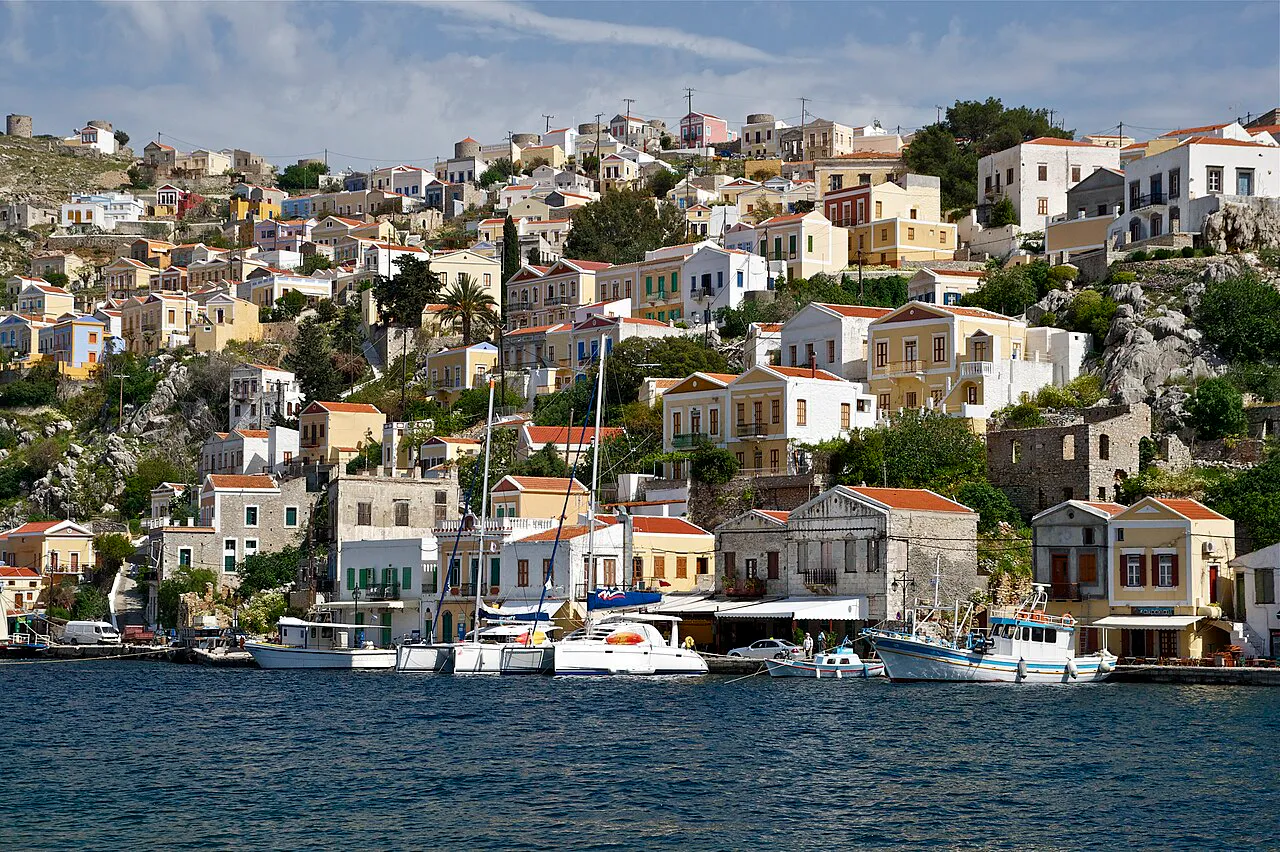
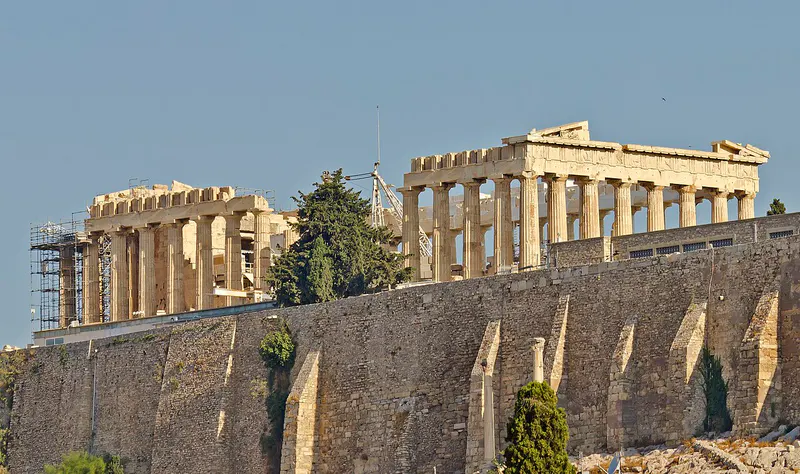
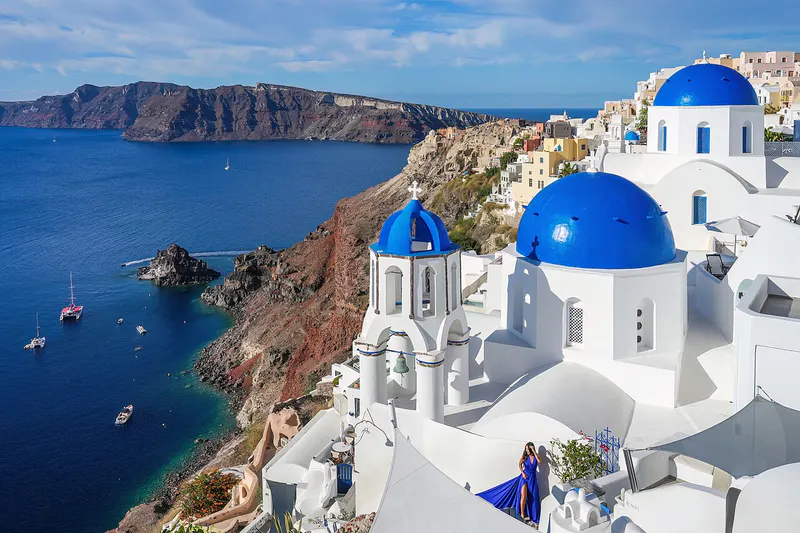
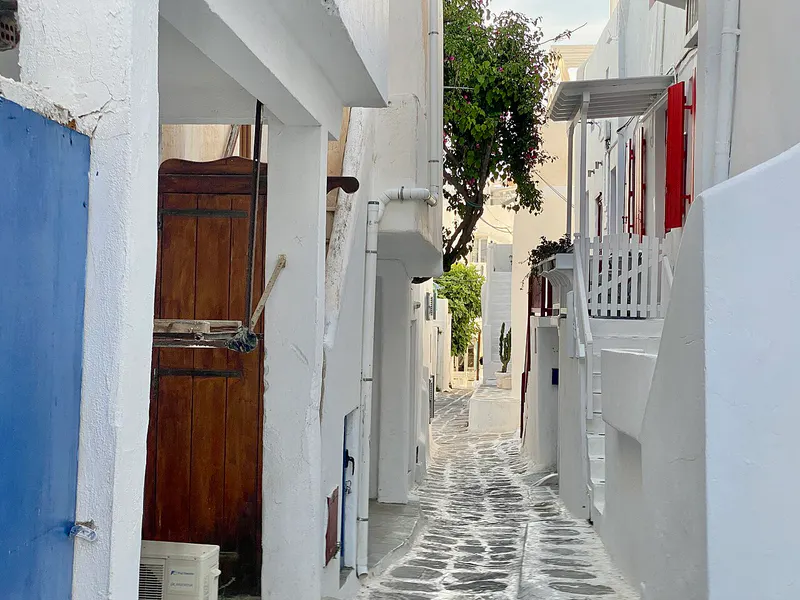
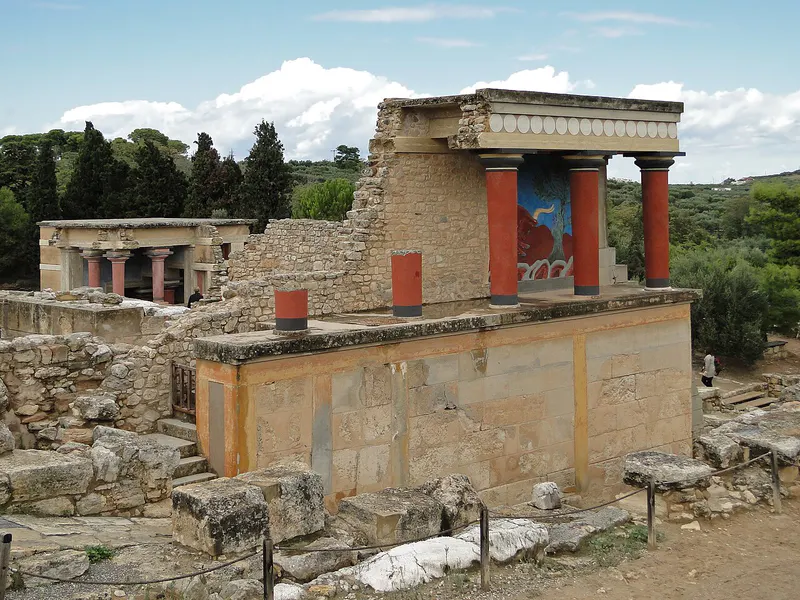
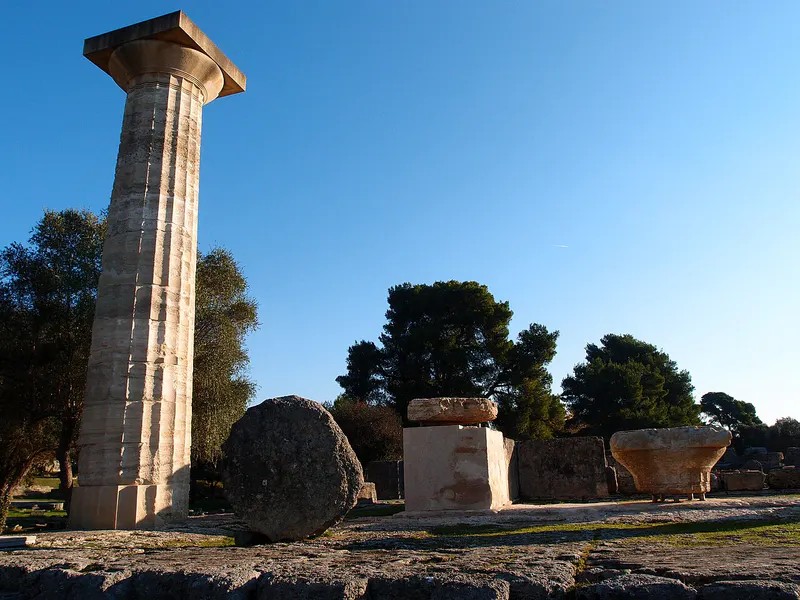
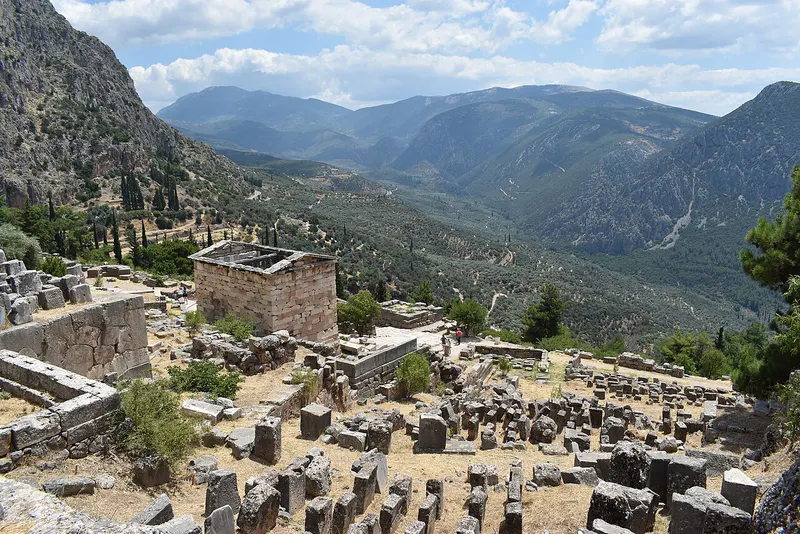
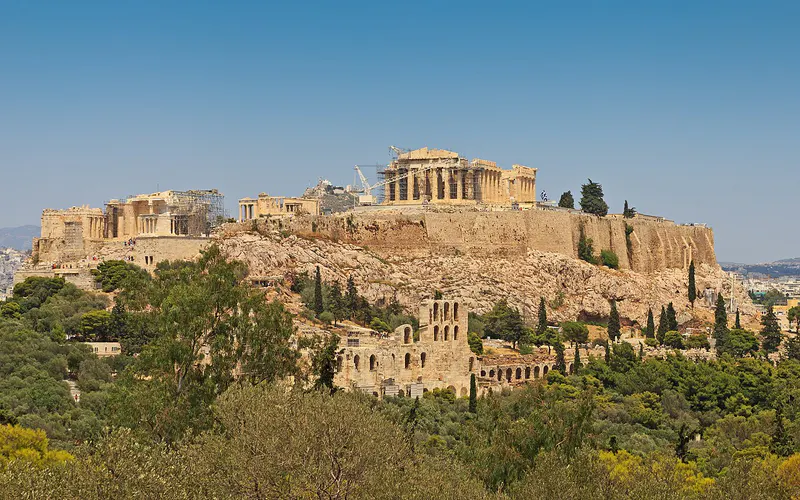
Athens anchors most trips, with the Acropolis, the Acropolis Museum and the Plaka district within walking distance of each other. The mainland beyond it is often skipped and shouldn't be: Delphi sits on a mountain slope above the Gulf of Corinth, Ancient Olympia preserves the original stadium, and the monasteries at Meteora balance on rock pillars. Island-hopping is the other half of a Greek trip, whether to Santorini's caldera villages, Mykonos, Crete for Knossos and the Samaria Gorge, or the greener Ionian islands such as Corfu. Ferries link the islands from Piraeus and Rafina, with high-speed catamarans cutting journey times at a premium; booking ahead matters in July and August. Taverna meals of grilled fish, souvlaki, feta and olive oil are inexpensive, and a budget day costs around $50 to $80, mid-range $120 to $180, with Santorini and Mykonos at the top and the mainland noticeably cheaper. Summer heat peaks in July and August, when the meltemi winds can delay ferries, and many island businesses close from November to March. Late May to June and September to October bring warm water, thinner crowds and the best balance of weather and cost.
Quick Facts
Greece at a Glance
🏛️
Capital
Athens
🗣️
Language
Greek
💰
Currency
EUR / Euro
⏰
Time Zone
UTC+2 (UTC+3 DST)
🔌
Voltage & Plug
230V, Type C & F
📞
Dialing Code
+30
👥
Population
~10.4 million, 2024
🌤️
Best Time To Visit
Jun–Sep
Best Time to Visit
When to Visit Greece
High Season (July-August): Hot, dry, and crowded across the islands and mainland coast. Athens and the Cyclades regularly reach 30-35 C, with occasional heatwaves pushing 40 C. Island hotels and ferries are at peak capacity with prices 50-80% above shoulder rates. Santorini and Mykonos sell out weeks or months in advance. July and August also bring the famous meltemi winds in the Aegean, which cool things down but can disrupt ferry schedules. Shoulder Season (May-June, September-October): Arguably the best time to visit. Temperatures range from 22-30 C on the islands and 18-28 C in Athens. Crowds are 40-60% thinner and prices drop significantly. The sea is warm enough for swimming from June through October. Spring (May-June) has wildflowers and longer days; autumn (September-October) offers warm sea temperatures and harvest season in wine regions like Crete and Santorini. Low Season (November-April): Mild and wet on the mainland (10-15 C in Athens), cooler and windier on the islands. Many island hotels, restaurants, and ferries close from November to March. However, Athens and Thessaloniki are excellent for city sightseeing, archaeological sites are nearly empty, and hotel rates drop 40-60%. Winter is also the season for skiing in the Pindus Mountains and on Mount Olympus.
Visa Information
Visa Policy for Greece
Entry rules for Greece depend on your passport. We track visa-free stays, e-visas and visa-on-arrival rules for US & Canadian, EU & UK, Chinese, and Australian & Japanese passports — with official sources and last-verified dates.
Visa policies are subject to official sources. Please verify with the embassy/consulate before travel.
Budget Reference
Travel Budget for Greece
Budget: $50-80/day (hostel dorm or budget hotel 25-40 EUR, street gyros/souvlaki and taverna lunches 15-25 EUR, local buses and ferries 10-20 EUR, free ancient sites + 1 paid attraction 10-15 EUR) Mid-Range: $120-180/day (3-star hotel or Airbnb 60-100 EUR, taverna dinners with wine 35-60 EUR, ferries and domestic flights 20-40 EUR, archaeological sites and island tours 25-40 EUR) Luxury: $250+/day (4-5 star hotel or boutique resort 150-400+ EUR, fine dining and rooftop bars 80-150 EUR, private transfers and yacht charters 100-300+ EUR, private guided tours and wine tastings 50-100 EUR) Per person per day in USD, excluding international flights. Santorini, Mykonos, and other popular islands in peak season are 40-80% above average. Athens and the mainland are 20-30% cheaper. Shoulder season (May-June, September-October) offers the best value.
Prices are per person per day in USD, excluding international flights.
TOP ATTRACTIONS
Must-Visit Attractions
TRAVEL GUIDES
Travel Guides for Greece
5 Days
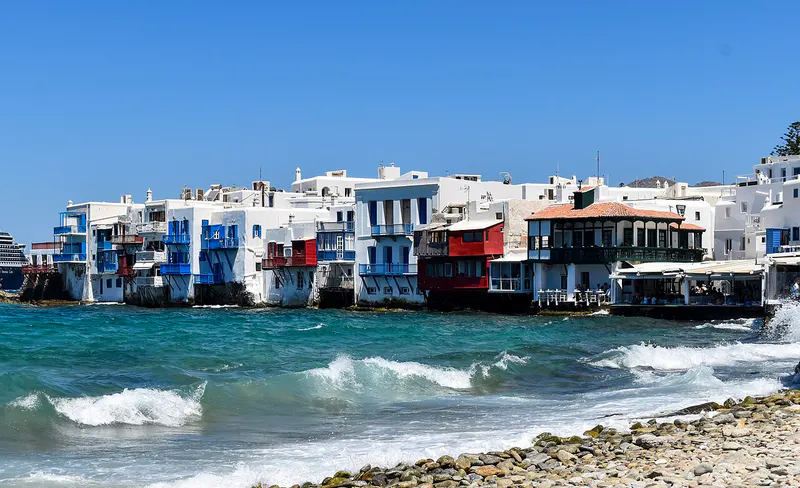
Greece Shopping Trip: Monastiraki & Mykonos in 5 Days
💰 Comfort · approx. $1,050–1,500 (≈ €910–1,300), excl. int'l flights & shopping
10 Days
Greek Classic Grand Tour: Athens, Santorini, Mykonos & Crete in 10 Days
💰 Comfort · approx. $1,790–2,690 (≈ €1,560–2,340), excl. int'l flights
6 Days
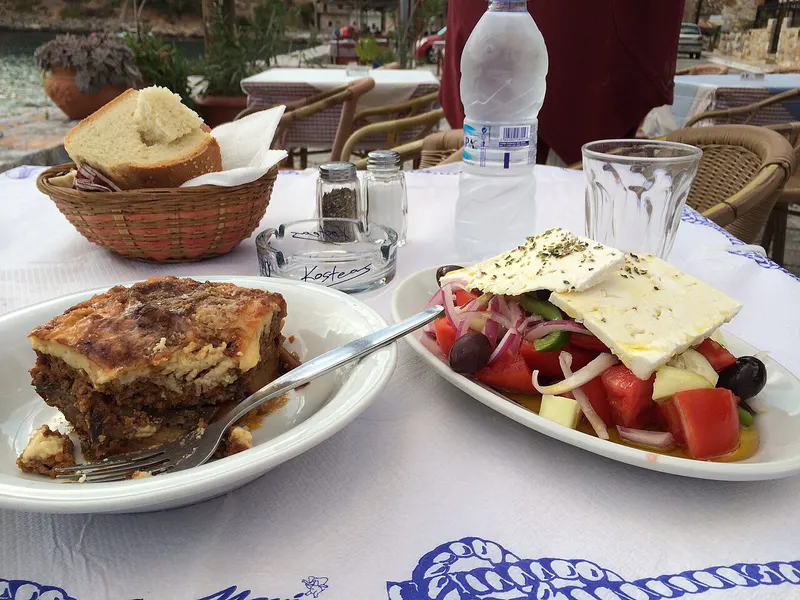
Greek Food & Taverna Trail: Athens, Santorini & Crete in 6 Days
💰 Comfort · approx. $1,050–1,500 (≈ €910–1,300), excl. int'l flights
7 Days
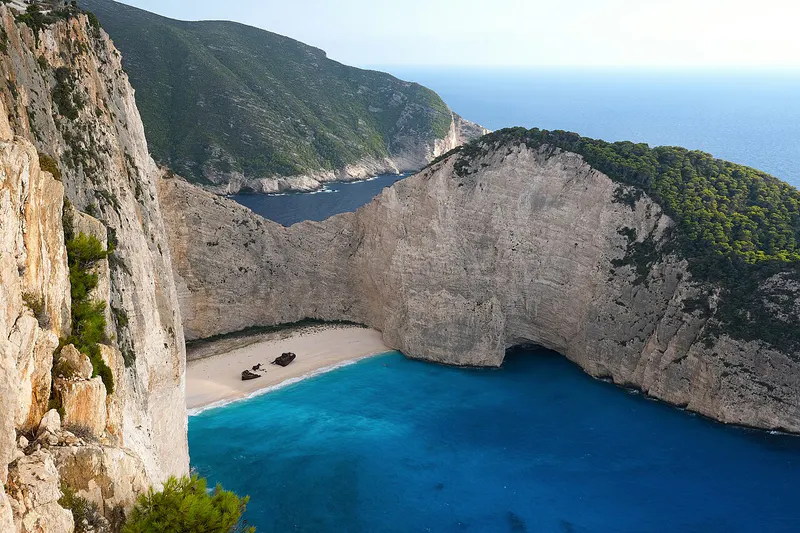
Greek Diving & Island Watersports: Crete, Paros & Santorini in 7 Days
💰 Comfort · approx. $1,640–2,390 (≈ €1,430–2,080), excl. int'l flights

7 Days
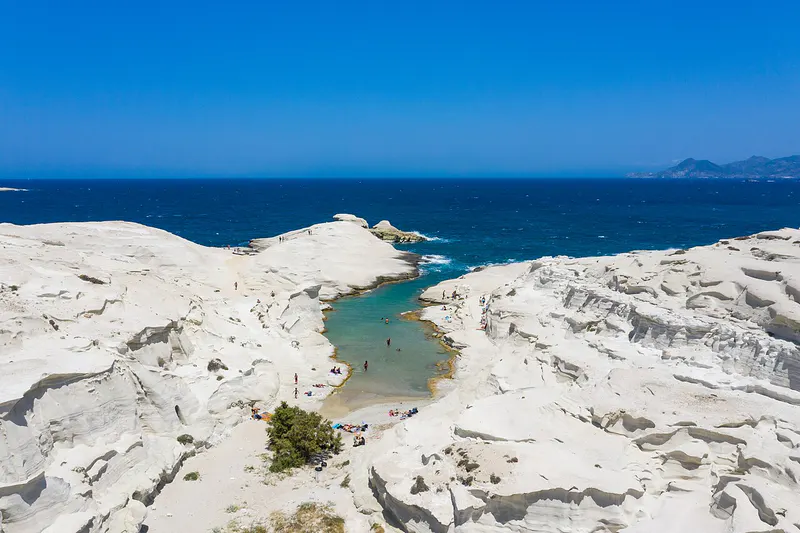
Greek Nature: Mount Olympus, Meteora & the Vikos Gorge in 7 Days
💰 Comfort · approx. $1,350–1,940 (≈ €1,170–1,690), excl. int'l flights
8 Days
Aegean Island Holiday: Santorini, Mykonos & Crete in 8 Days
💰 Luxury · approx. $2,690–3,890 (≈ €2,340–3,380), excl. int'l flights
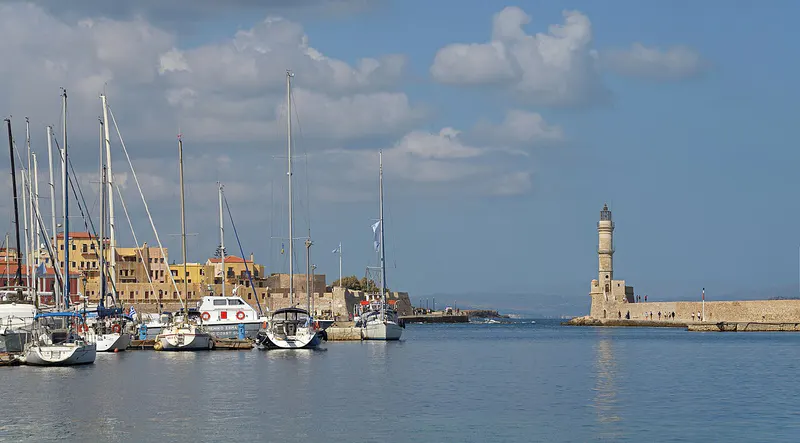
7 Days
Greece Family Trip: Athens & Crete in 7 Days
💰 Comfort · approx. $1,350–1,940 (≈ €1,170–1,690), excl. int'l flights; per family of 2 (1 adult + 1 child)
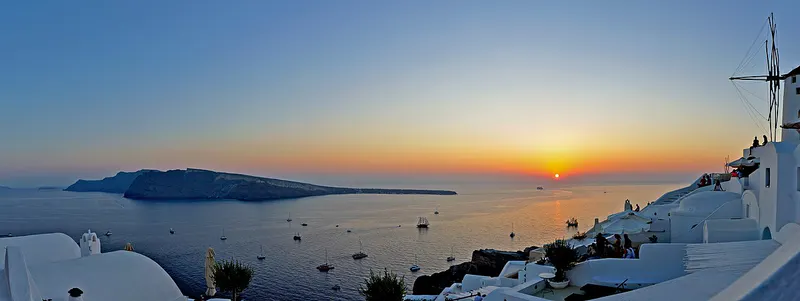
6 Days
Santorini Honeymoon: Caldera Villas, Wine Tasting & Private Yacht in 6 Days
💰 Luxury · approx. $2,990–4,490 (≈ €2,600–3,900), excl. int'l flights
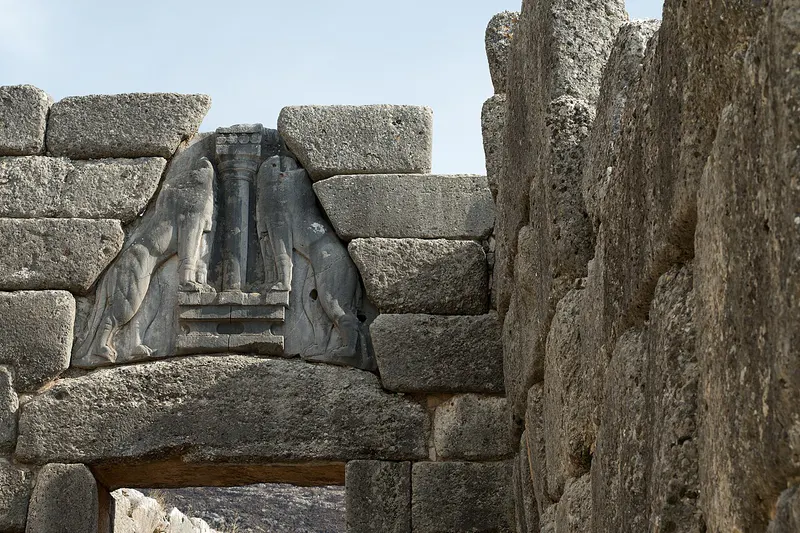
8 Days
Ancient Greece Trail: Athens, Delphi, Mycenae & Crete in 8 Days
💰 Comfort · approx. $1,350–1,940 (≈ €1,170–1,690), excl. int'l flights
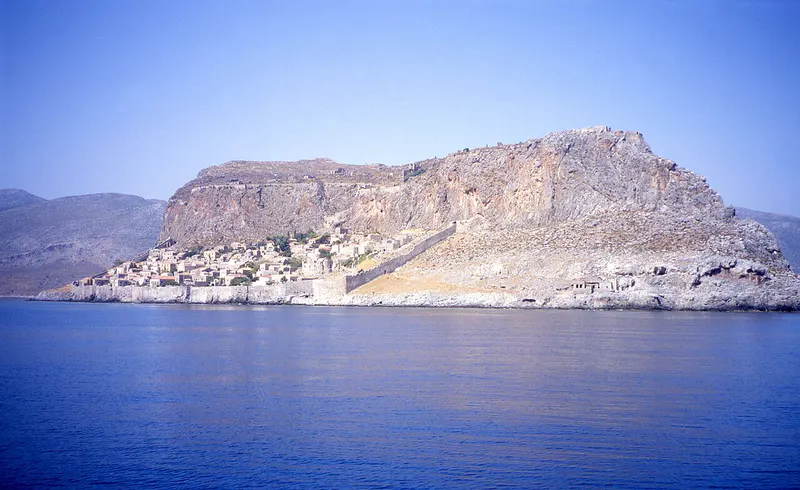
7 Days
Off-the-Beaten-Track Peloponnese: Nafplio, Monemvasia & Mystras in 7 Days
💰 Comfort · approx. $1,200–1,790 (≈ €1,040–1,560), excl. int'l flights
MORE DESTINATIONS
Other Countries in Europe
FAQ
Frequently Asked Questions about Greece
Travel FAQ
How do I travel between Greek islands?+
Use ferries and high-speed catamarans, with domestic flights for long routes. Book ahead in summer and allow buffer days for weather. (VisitGreece official travel tips)
What should I pack for Greece?+
Bring light clothing, sun protection, comfortable shoes and a layer for evenings. Cover shoulders and knees for churches and monasteries. (VisitGreece official travel tips)
How do I get from Athens to the islands?+
Use ferries from Piraeus or Rafina, or domestic flights for long routes. Check the port and allow buffer time for weather delays.
Is Greece safe for tourists?+
Greece is generally safe; the main risks are petty theft in busy areas and heat in summer. Carry water and avoid unprotected cliff edges. (VisitGreece official travel tips)