About Poland
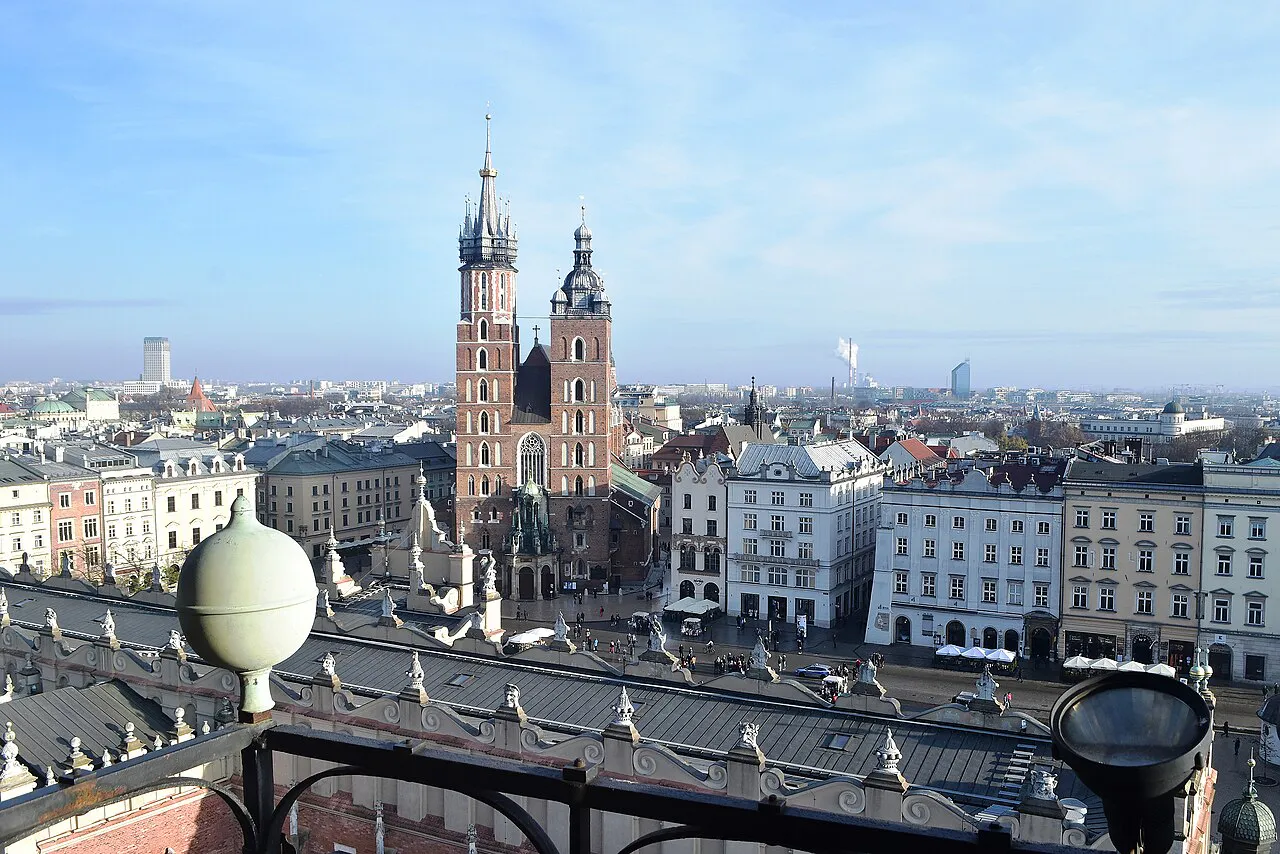
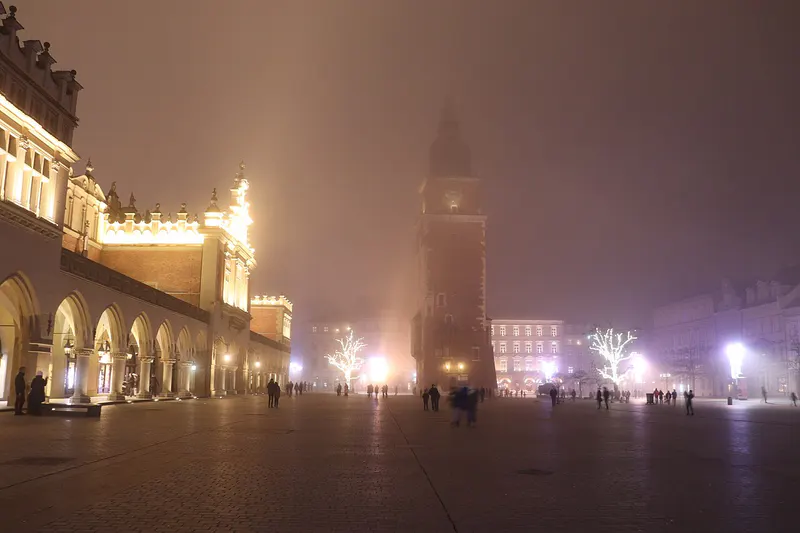
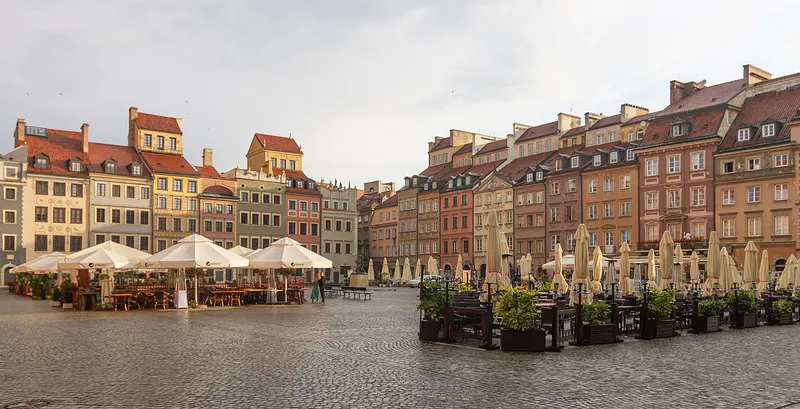
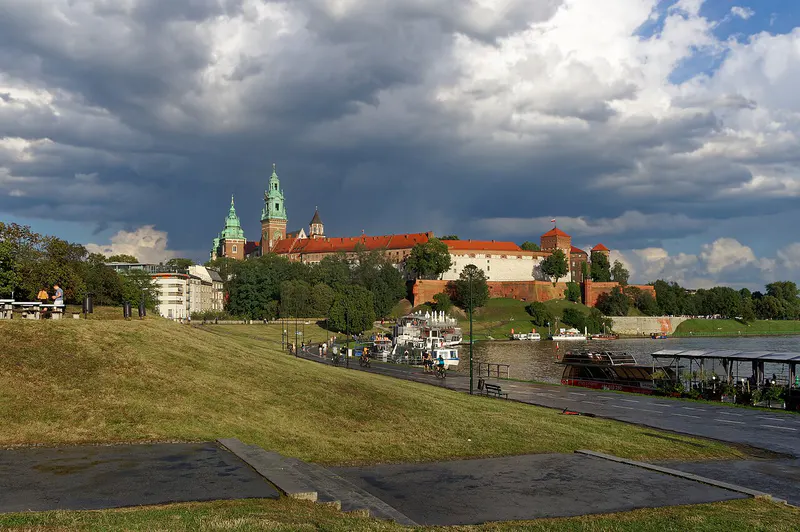
Poland's appeal lies in its cities and its edges. Krakow's Rynek Glowny and Wawel Castle, Gdansk's rebuilt merchant houses, Torun's brick Gothic and Wroclaw's island quarter each grew around a different history, while Warsaw was reconstructed after 1944 and now mixes a rebuilt Old Town with museums such as POLIN and the Rising Museum. Day trips reach Auschwitz-Birkenau, the Wieliczka salt mine and the Jasna Gora monastery, and the Tatra Mountains around Zakopane offer marked trails from June to October and skiing in winter. Trains link the main cities in two to four hours, with cheap intercity buses filling the gaps; the Baltic coast around Gdansk and the Masurian lakes are summer destinations, and the Bialowieza forest holds Europe's largest wild bison herd. Pierogi, bigos, kielbasa and milk bars keep everyday eating affordable. Budget travellers spend about $50-75 a day, mid-range $100-160 and luxury $220 or more, with Krakow and Gdansk under the most pressure in July and August. May and September bring mild weather and thinner crowds; December suits Christmas markets in Krakow, Wroclaw and Gdansk.
Quick Facts
Poland at a Glance
🏛️
Capital
Warsaw
🗣️
Language
Polish
💰
Currency
PLN / Polish Złoty
⏰
Time Zone
UTC+1 (UTC+2 DST)
🔌
Voltage & Plug
230V, Type C & E
📞
Dialing Code
+48
👥
Population
~36.8 million, 2024
🌤️
Best Time To Visit
Jun–Aug
Best Time to Visit
When to Visit Poland
High Season (June-August): Summer with warm to hot temperatures of 18-28 C across most of the country. July is the warmest and wettest month. Coastal areas (Gdansk, Sopot) and the Tatra Mountains (Zakopane) are most crowded with hotel rates 40-70% above shoulder. Krakow and Warsaw also see peak tourism. Long daylight hours (sunset after 9 PM). Shoulder Season (May, September): Arguably the best time to visit. May brings blooming flowers, green landscapes, and temperatures of 12-20 C with fewer crowds. September offers 15-22 C, harvest season, and some of the clearest mountain weather. Prices are 30-50% lower than peak summer. Crowds are manageable at major attractions. Low Season (November-March): Cold with temperatures ranging from -5 to 5 C in most areas. January is the coldest month (-5 to 0 C in most lowland areas, colder in the mountains). Snow covers much of the country from December to February. Zakopane and mountain ski resorts are busy in winter, but most other tourist areas are quiet. Hotel prices drop 30-50%. Christmas markets in December are a highlight.
Visa Information
Visa Policy for Poland
Entry rules for Poland depend on your passport. We track visa-free stays, e-visas and visa-on-arrival rules for US & Canadian, EU & UK, Chinese, and Australian & Japanese passports — with official sources and last-verified dates.
Visa policies are subject to official sources. Please verify with the embassy/consulate before travel.
Budget Reference
Travel Budget for Poland
Budget: $50-75/day (hostel dorm 50-80 PLN, milk bars and street food 40-70 PLN, local public transport 10-20 PLN, free sites + 1 paid attraction 15-30 PLN. Poland is one of the cheapest EU countries to visit.) Mid-Range: $100-160/day (3-star hotel or Airbnb 150-300 PLN, restaurant meals 70-120 PLN, intercity trains or buses 30-60 PLN, attractions and museums 30-60 PLN) Luxury: $220+/day (4-5 star hotel or boutique palace hotel 500-1200 PLN, fine dining 150-250 PLN, private tours and transfers 150-300 PLN, premium experiences like spa treatments or private guides 200-400 PLN) Per person per day in USD, excluding international flights. Poland is one of the most affordable EU countries, roughly 40-60% cheaper than Germany or France. Warsaw and Krakow are the most expensive cities but still very reasonable. Smaller towns and rural areas offer exceptional value. Milk bars (bar mleczny) offer cheap, filling home-style meals.
Prices are per person per day in USD, excluding international flights.
TOP ATTRACTIONS
Must-Visit Attractions
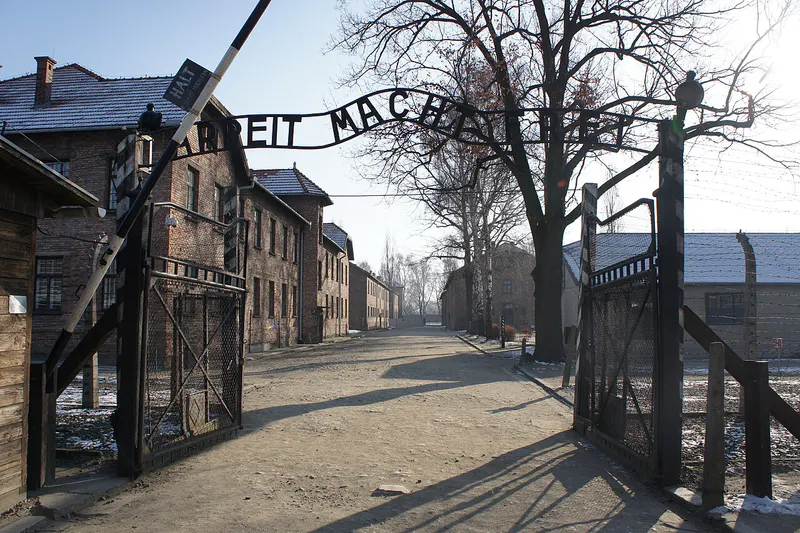
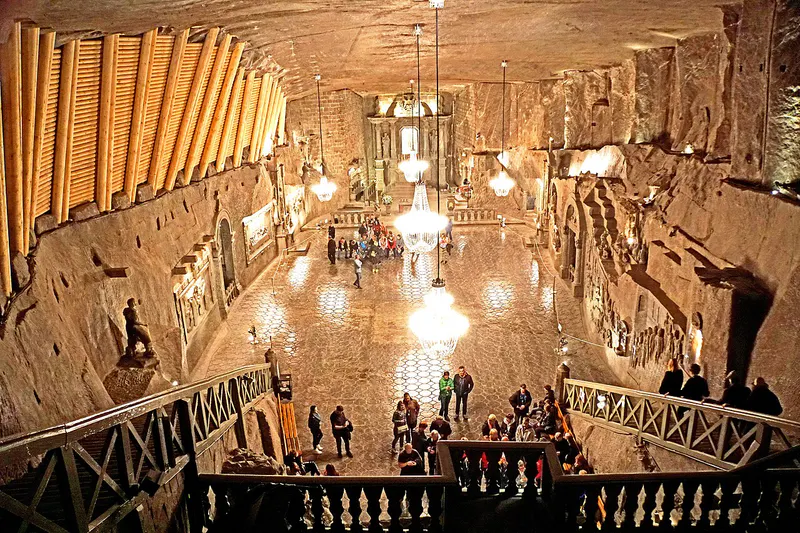
TRAVEL GUIDES
Travel Guides for Poland
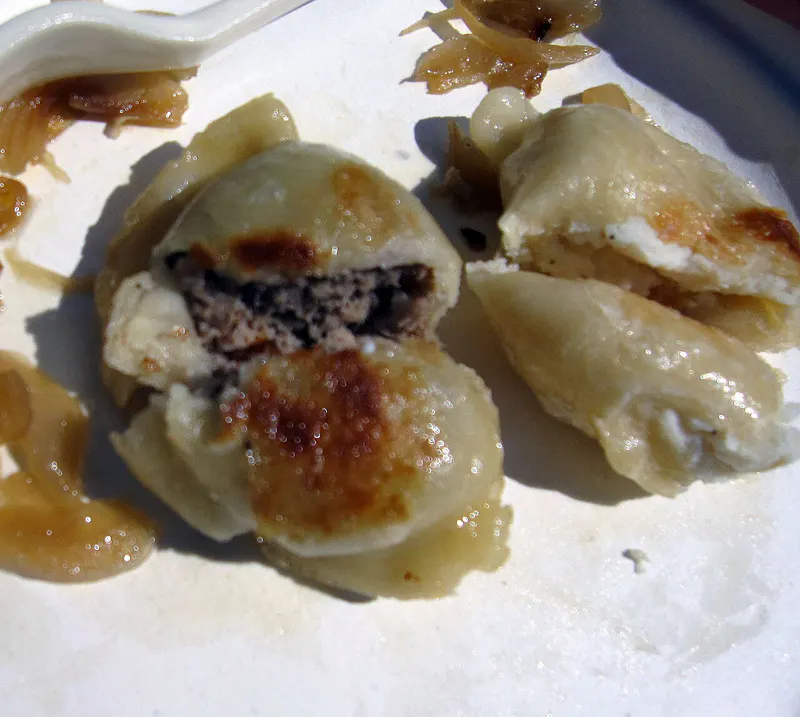
5 Days
Poland Food Trail: Milk Bars, Pierogi & National Soups in 5 Days
💰 Budget · approx. $1,200–1,790 (≈ €1,040–1,560), excl. int'l flights
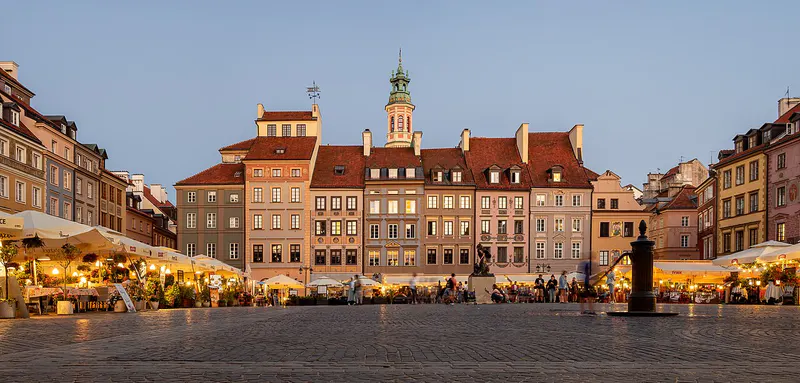
10 Days
Poland History Panorama: Warsaw, Krakow, Auschwitz & Wieliczka in 10 Days
💰 Comfort · approx. $2,240–3,290 (≈ €1,950–2,860), excl. int'l flights
6 Days
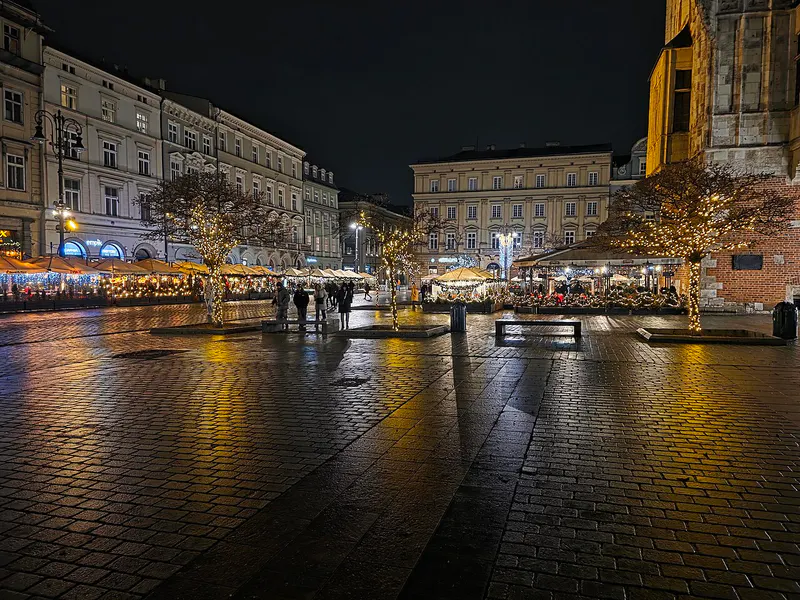
Poland Christmas Markets: Warsaw & Krakow Winter in 6 Days
💰 Comfort · approx. $1,500–2,240 (≈ €1,300–1,950), excl. int'l flights
5 Days
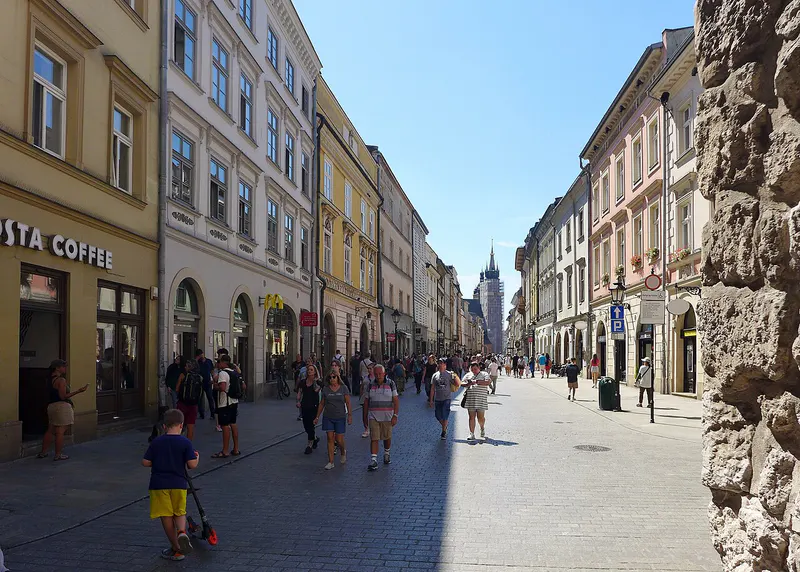
Krakow Old Town Deep-Dive: Market Square, Wawel & Kazimierz in 5 Days
💰 Budget · approx. $1,200–1,790 (≈ €1,040–1,560), excl. int'l flights
6 Days
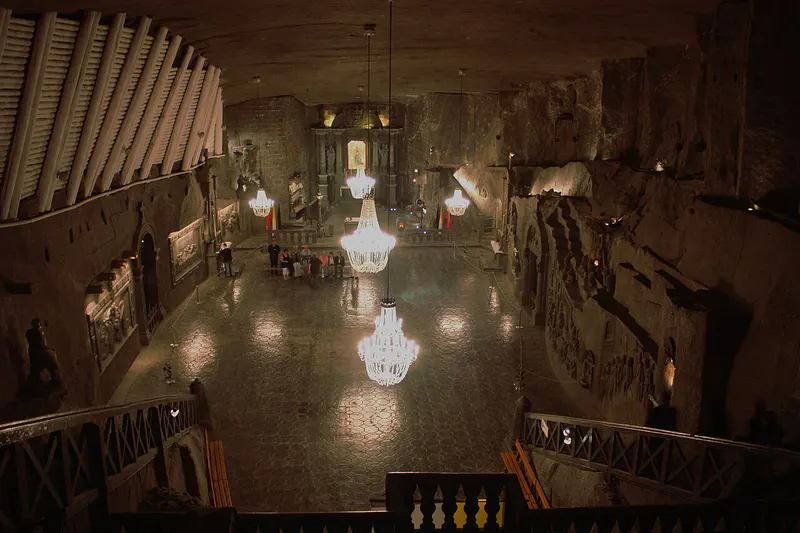
Poland Sacred Sights: Underground Salt Chapels & Cathedral Cities in 6 Days
💰 Comfort · approx. $1,500–2,240 (≈ €1,300–1,950), excl. int'l flights
6 Days
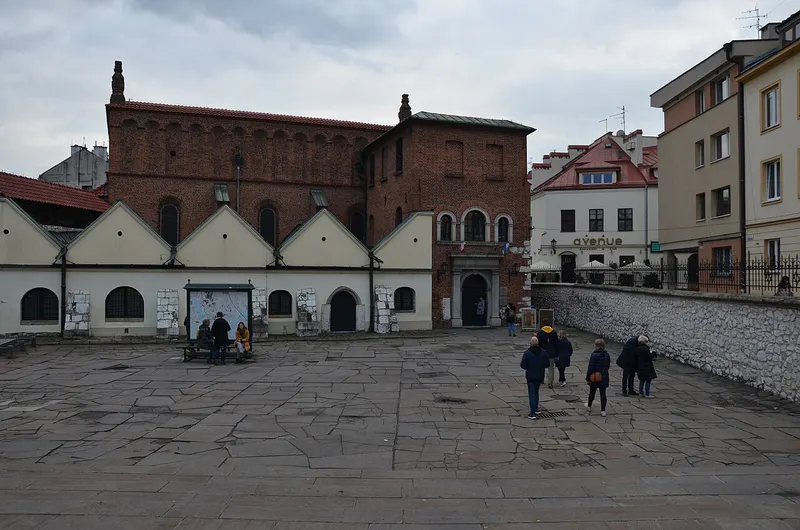
Poland WWII & Jewish Heritage: Warsaw Ghetto, Krakow & Auschwitz in 6 Days
💰 Comfort · approx. $1,640–2,390 (≈ €1,430–2,080), excl. int'l flights
MORE DESTINATIONS
Other Countries in Europe
FAQ
Frequently Asked Questions about Poland
Travel FAQ
Do I need to book Auschwitz-Birkenau in advance?+
Yes. Entry passes are reserved online, and guided tours sell out. Book on the official Auschwitz Memorial site before your visit. (Auschwitz Memorial visitor information)
How do I travel between Kraków and Warsaw?+
Take the EIP or EIC train; the journey is about 2.5 hours. Book ahead for lower fares and reserved seats. (Polish Tourism Organisation / PKP Intercity)
Is Poland card-friendly?+
Cards are widely accepted in cities, but some small shops, markets and rural businesses prefer cash. Carry some złoty as backup. (Polish Tourism Organisation practical information)
Is Kraków Old Town walkable?+
Yes. The old town, Wawel and Kazimierz are compact and best explored on foot. Wear comfortable shoes for cobblestones. (Polish Tourism Organisation / Kraków tourism)