About Hungary
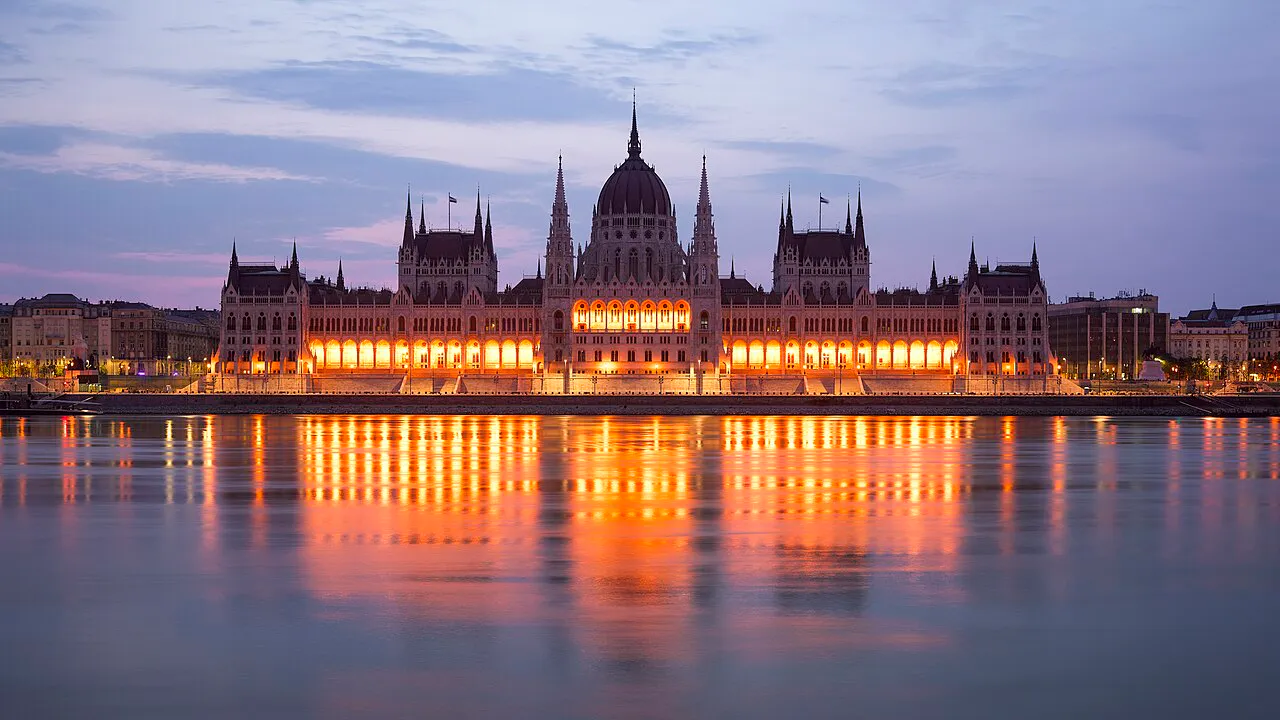
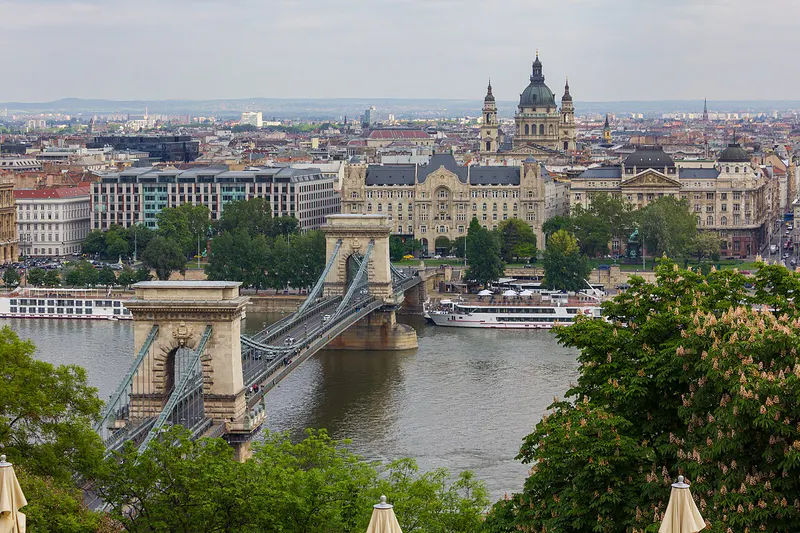
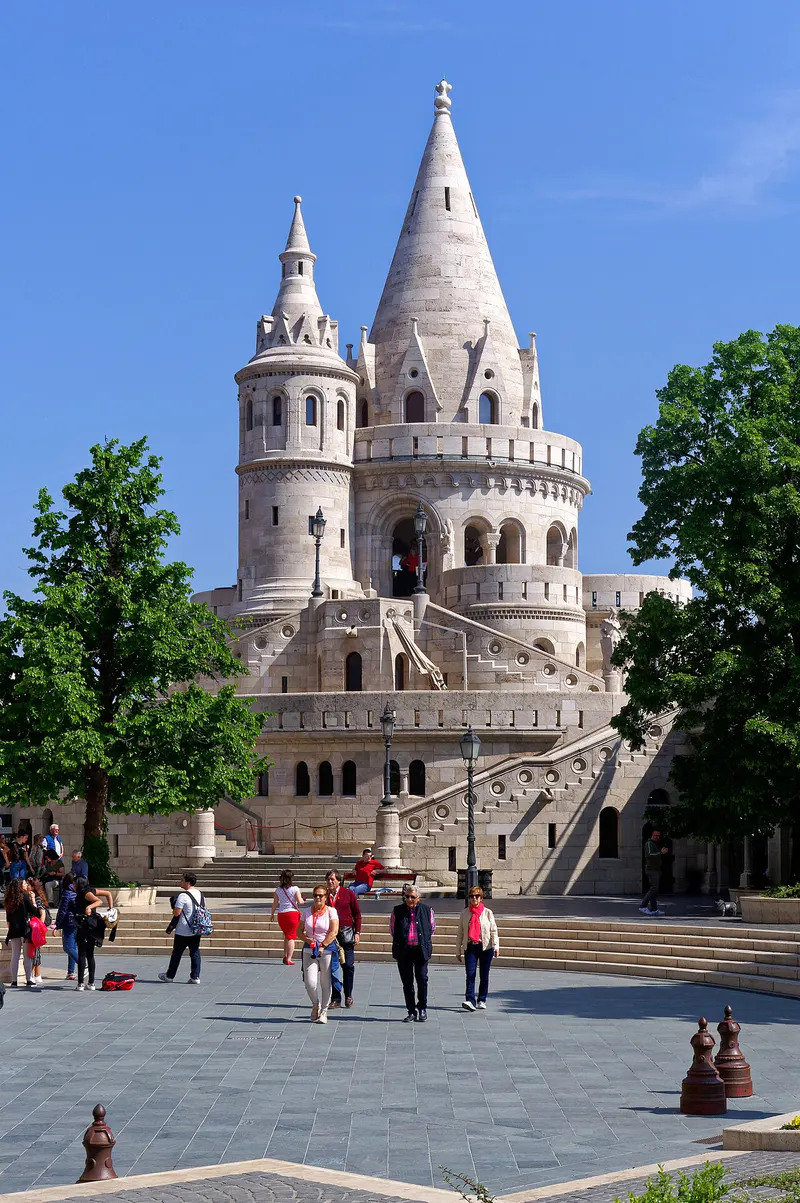
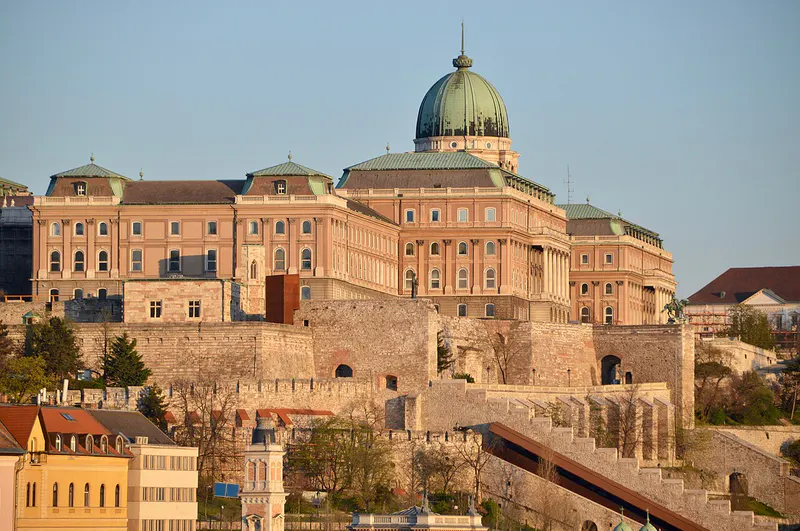
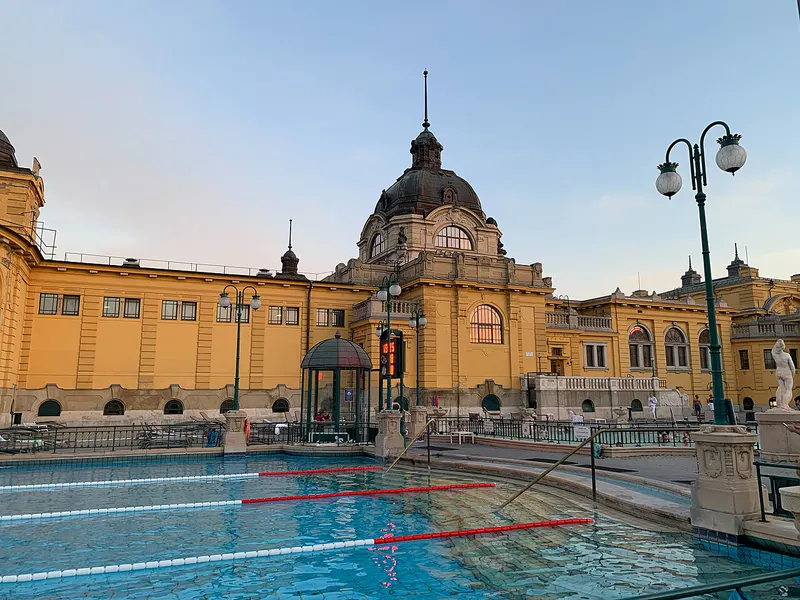
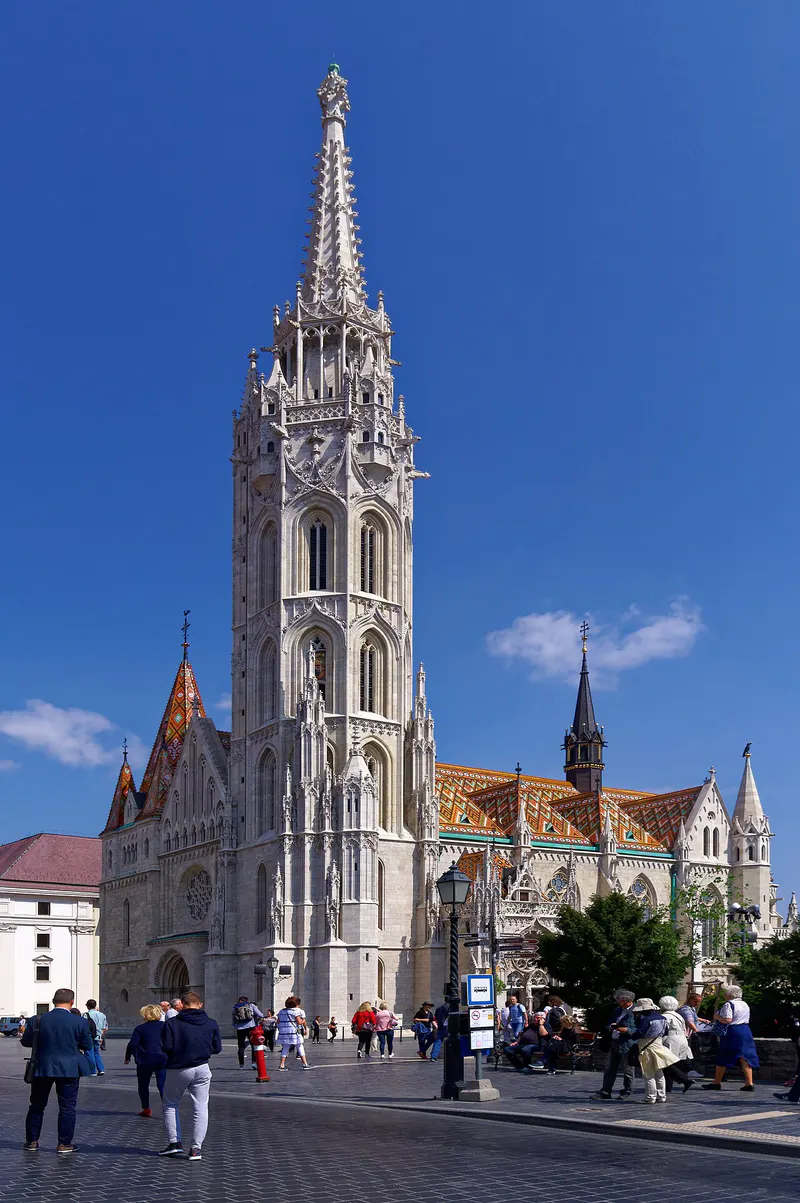
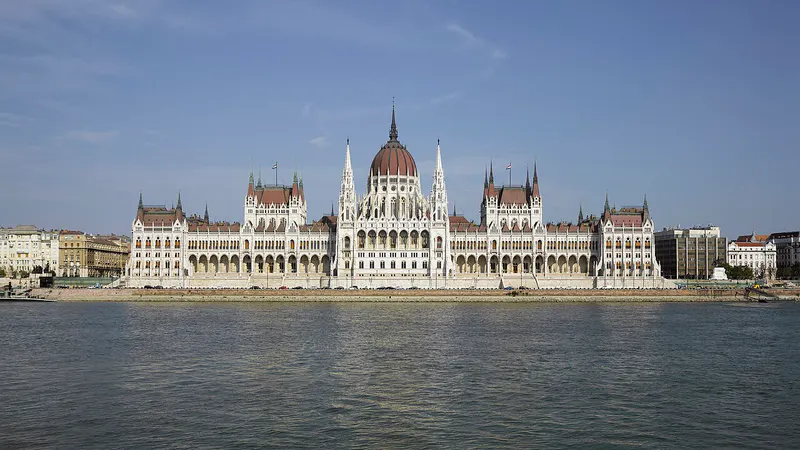
Budapest splits along the Danube: hilly Buda holds Buda Castle, Matthias Church and Fisherman's Bastion, while flat Pest carries the Hungarian Parliament Building, Andrássy Avenue and the ruin bars of the old Jewish quarter. The Széchenyi Thermal Bath and the Gellért baths keep the city's Roman and Ottoman bathing habit alive, and the Széchenyi Chain Bridge links the two banks. Beyond the capital, Lake Balaton is the summer resort for Hungarians, the Danube Bend holds Visegrád, Esztergom and Szentendre, and Eger and Pécs preserve baroque streets and wine cellars. Tokaj in the northeast produces the sweet white wine of the same name. Trains and coaches from Budapest reach Balaton and the Danube Bend in an hour or two, and the metro, trams and river ferries make the capital easy without a car. Goulash, lángos and chimney cake are the dishes to know, and market halls keep eating cheap. Budget travellers spend $40–65 a day, mid-range $70–120 and luxury from $180; Budapest costs more than the countryside. Summer reaches 30°C in July and August and fills Balaton, while winter is cold and quiet but good for baths and museums. April, May, September and October give mild weather and the best value.
Quick Facts
Hungary at a Glance
🏛️
Capital
Budapest
🗣️
Language
Hungarian
💰
Currency
HUF / Hungarian Forint
⏰
Time Zone
UTC+1 (UTC+2 DST)
🔌
Voltage & Plug
230V, Type C & F
📞
Dialing Code
+36
👥
Population
~9.6 million, 2024
🌤️
Best Time To Visit
May–Sep
Best Time to Visit
When to Visit Hungary
High Season (June–August) Summer brings temperatures of 22–30°C. Budapest and Lake Balaton are busiest, with thermal baths and outdoor activities drawing crowds. July and August are the warmest and busiest months along the Danube. Shoulder Season (April–May, September–October) The best time to visit. Mild weather (12–22°C), fewer crowds, and lower prices. Spring blossoms and autumn foliage are especially beautiful along the Danube. Ideal for sightseeing in Budapest and exploring wine regions. Low Season (November–March) Cold with temperatures of -5°C to 5°C. December Christmas markets bring some visitors. Winter is quiet but thermal baths are especially enjoyable in cold weather. Museum visits and indoor attractions have no queues.
Visa Information
Visa Policy for Hungary
Entry rules for Hungary depend on your passport. We track visa-free stays, e-visas and visa-on-arrival rules for US & Canadian, EU & UK, Chinese, and Australian & Japanese passports — with official sources and last-verified dates.
Visa policies are subject to official sources. Please verify with the embassy/consulate before travel.
Budget Reference
Travel Budget for Hungary
Budget ($40–$65/day) Stay in hostels or budget pensions. Eat at cheap restaurants, street food, and markets. Use public transport and walk. Free walking tours, thermal bath discount days, and ruin bar crawls. One of the most affordable capital cities in Central Europe. Mid-Range ($70–$120/day) Stay in mid-range hotels or boutique guesthouses. Eat at nice Hungarian restaurants and wine bars. Take day trips to Lake Balaton and Szentendre. Thermal spa packages, Danube river cruises, and castle visits. Excellent value for money. Luxury ($180+/day) Stay in 4–5 star hotels or historic palace hotels along the Danube. Fine dining at Michelin-recommended restaurants. Private tours and transfers. Luxury thermal spa treatments, private Danube cruises, and premium wine tours in Tokaj. Per person per day in USD, excluding international flights.
Prices are per person per day in USD, excluding international flights.
TOP ATTRACTIONS
Must-Visit Attractions
TRAVEL GUIDES
Travel Guides for Hungary
7 Days
Budapest Highlights: Buda Castle, Chain Bridge & Danube in 7 Days
💰 Comfort · approx. $1,940–2,840 (≈ €1,690–2,470), excl. int'l flights
6 Days
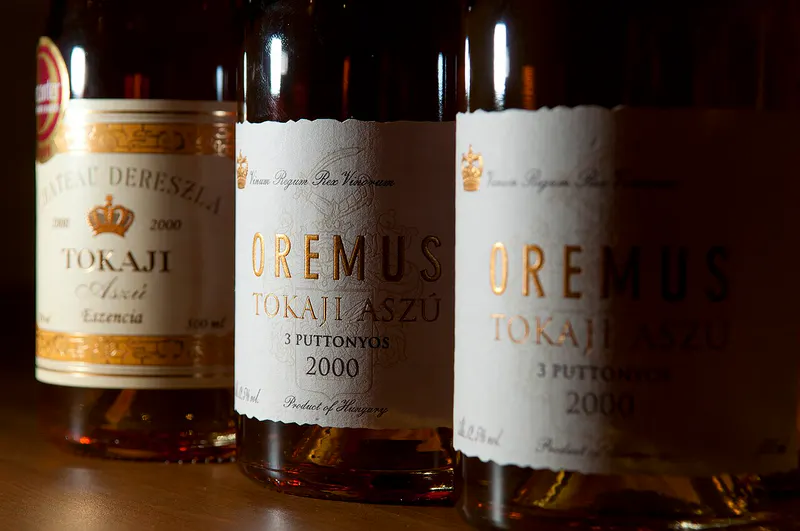
Hungarian Wine Tour: Tokaji Aszú & Eger Bull's Blood in 6 Days
💰 Comfort · approx. $1,640–2,390 (≈ €1,430–2,080), excl. int'l flights
5 Days
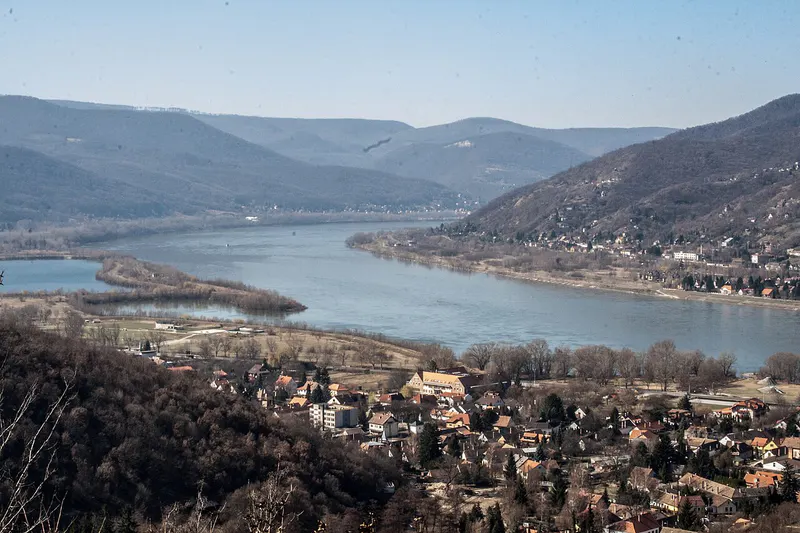
Danube Bend Day Trip: Visegrád, Esztergom & Szentendre in 5 Days
💰 Comfort · approx. $1,200–1,790 (≈ €1,040–1,560), excl. int'l flights
5 Days
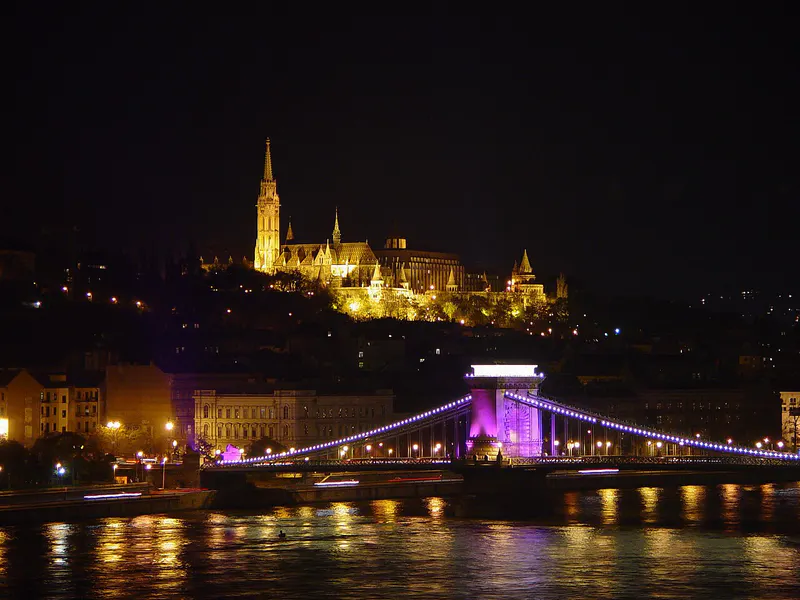
Danube Bend Honeymoon: Chain Bridge & Castle Hill Night Cruise in 5 Days
💰 Comfort · approx. $1,350–2,090 (≈ €1,170–1,820), excl. int'l flights
5 Days
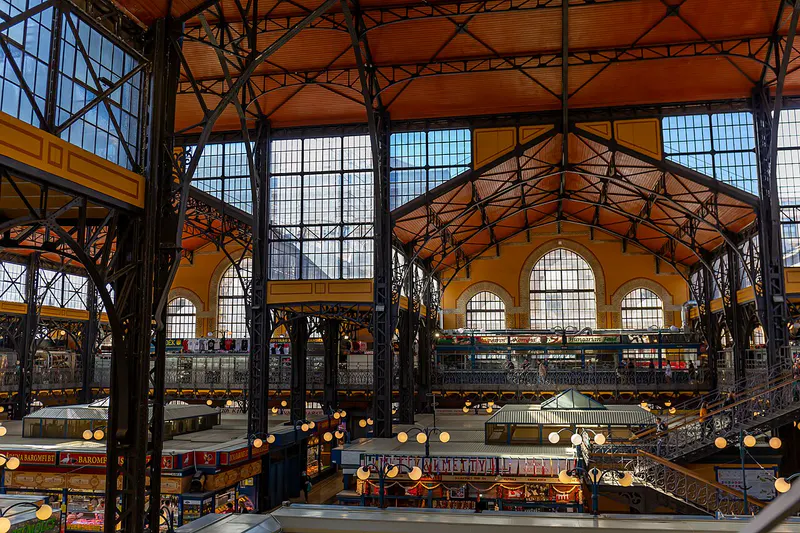
Budapest City Deep-Dive: Pest & Buda in 5 Slow Days
💰 Comfort · approx. $1,200–1,790 (≈ €1,040–1,560), excl. int'l flights
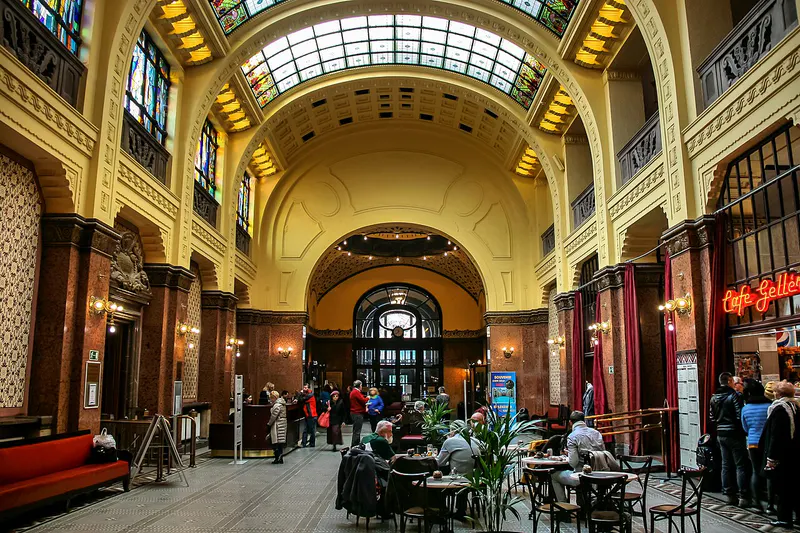
5 Days
Budapest Thermal Baths & Wellness in 5 Days
💰 Comfort · approx. $1,350–1,940 (≈ €1,170–1,690), excl. int'l flights
MORE DESTINATIONS
Other Countries in Europe
FAQ
Frequently Asked Questions about Hungary
Travel FAQ
How do Budapest public transport tickets work?+
Buy a single ticket or a travel card and validate it before boarding. Inspectors check tickets on the metro, trams and buses. (Visit Hungary / BKK public transport)
What is the etiquette at Széchenyi Thermal Bath?+
Bring a towel and flip-flops, shower before entering and keep voices low. A swim cap may be required in some pools. (Visit Hungary / Széchenyi Bath official information)
Are Budapest ruin bars suitable for families?+
Most ruin bars are aimed at adults and get busy late at night. Families may prefer daytime visits or the quieter courtyards. (Visit Hungary / Budapest tourism)
How do I get from Budapest Airport to the city?+
Take the 100E airport bus to central Budapest or a licensed taxi. Buy a dedicated airport bus ticket; regular city passes may not cover it. (Visit Hungary / BKK airport transfer)