About Croatia
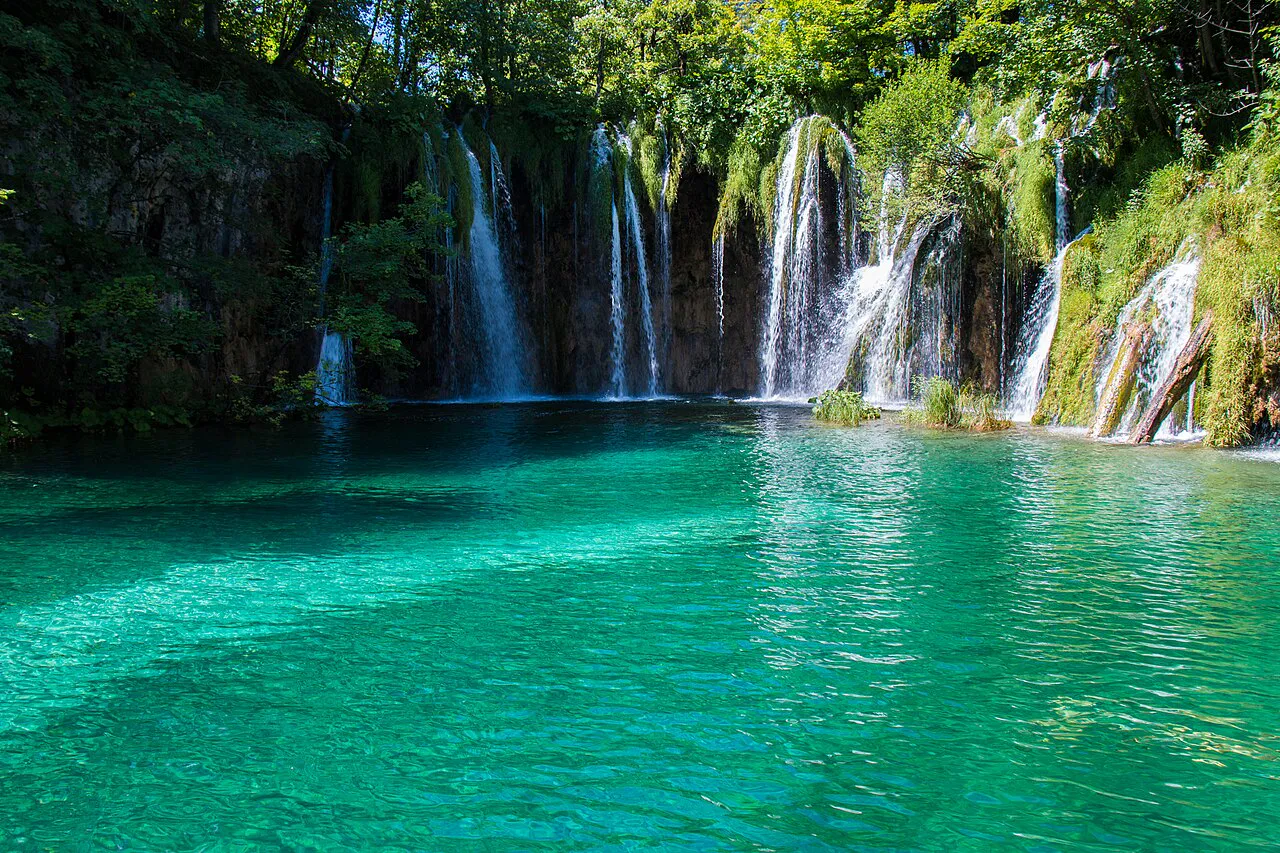
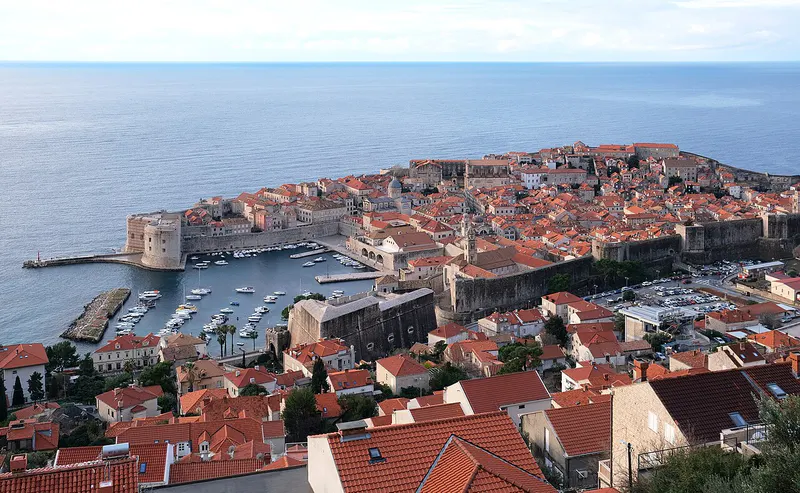
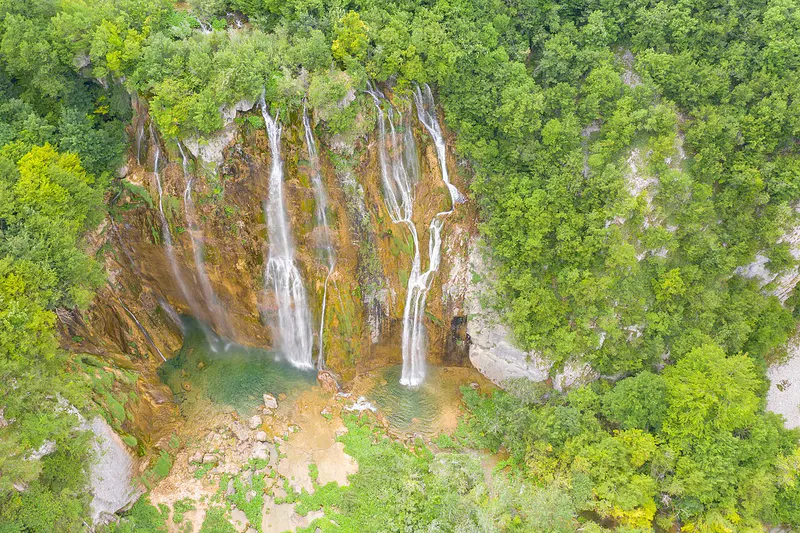
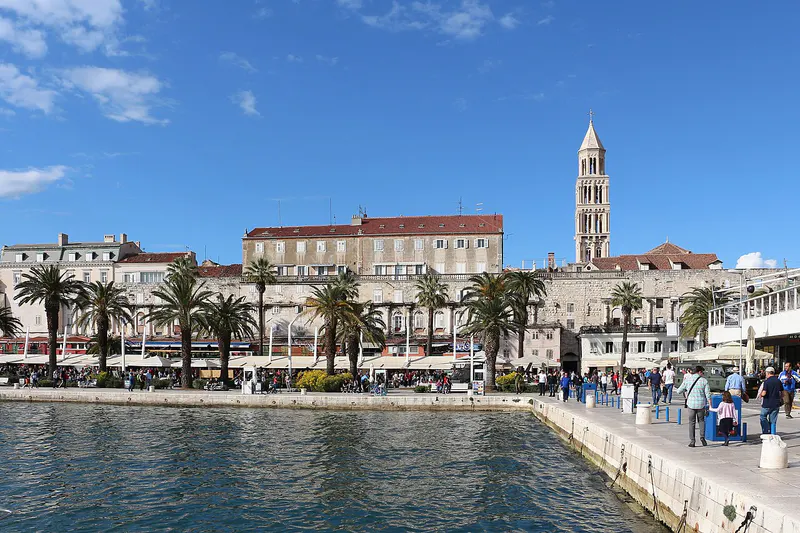
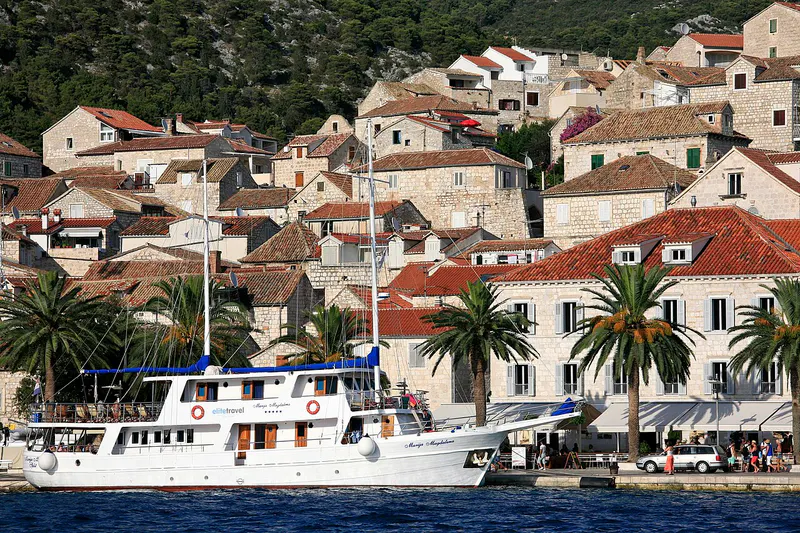
Explore Croatia, a stunning Adriatic travel destination where medieval wall cities, crystal-clear turquoise waters, and over a thousand islands create a dreamlike Mediterranean escape. Zagreb, its elegant capital, welcomes visitors with Austro-Hungarian architecture, a lively cafe scene, and the charming cobblestoned Gornji Grad. Croatia tourism truly shines along its Dalmatian coast—where UNESCO-listed Dubrovnik, with its massive stone walls and red-tiled rooftops, captivates history lovers and Game of Thrones fans alike. Sail between the stunning islands of Hvar, Brac, and Korcula, or explore the ancient Roman ruins of Split's Diocletian's Palace. Inland, discover the cascading waterfalls and emerald lakes of Plitvice Lakes National Park, one of Europe's most beautiful natural wonders. With Croatian hospitality, fresh seafood, and excellent local wine, Croatia delivers a premium Mediterranean experience. The best time to visit Croatia is May to September for swimming and island hopping, or spring and fall for milder weather and fewer crowds.
Quick Facts
Croatia at a Glance
🏛️
Capital
Zagreb
🗣️
Language
Croatian
💰
Currency
EUR / Euro
⏰
Time Zone
UTC+1 (UTC+2 DST)
🔌
Voltage & Plug
230V, Type C & F
📞
Dialing Code
+385
👥
Population
~3.9 million, 2024
🌤️
Best Time To Visit
Jul–Aug
Best Time to Visit
When to Visit Croatia
High Season (July–August) Peak summer season with temperatures of 25–32°C along the coast. Dalmatian islands and Dubrovnik are busiest, with hotel prices at their highest. Clear blue seas are perfect for swimming, sailing, and island hopping. Book well in advance. Shoulder Season (May–June, September) The best time to visit Croatia. Warm weather (20–28°C), fewer crowds, and lower prices. The Adriatic Sea is still swimmable from June through September. Ideal for sightseeing in Split, Dubrovnik, and exploring national parks. Low Season (October–April) Mild coastal winter (8–12°C) with rain. Many island hotels and ferries close for the season. Zagreb and inland cities are cold (0–5°C). Christmas markets in December add charm. Excellent value for city breaks.
Visa Information
Visa Policy for Croatia
Entry rules for Croatia depend on your passport. We track visa-free stays, e-visas and visa-on-arrival rules for US & Canadian, EU & UK, Chinese, and Australian & Japanese passports — with official sources and last-verified dates.
Visa policies are subject to official sources. Please verify with the embassy/consulate before travel.
Budget Reference
Travel Budget for Croatia
Budget ($50–$80/day) Stay in hostels or budget apartments. Eat at konobas (local taverns), bakeries, and street food. Use public buses and ferries. Free beach access and self-guided walking tours. Cheaper outside peak July–August. Mid-Range ($100–$160/day) Stay in mid-range hotels or private apartments. Eat at nice restaurants with seafood and local wine. Island hopping by ferry or catamaran. National park entrance fees and guided tours. Comfortable with a mix of relaxation and exploration. Luxury ($220+/day) Stay in boutique hotels or beachfront resorts. Fine dining at waterfront restaurants with fresh seafood. Private boat tours and yacht charters. Exclusive Dubrovnik Old Town experiences, luxury villa stays on the Dalmatian islands, and private sailing trips. Per person per day in USD, excluding international flights.
Prices are per person per day in USD, excluding international flights.
TOP ATTRACTIONS
Must-Visit Attractions
TRAVEL GUIDES
Travel Guides for Croatia
5 Days
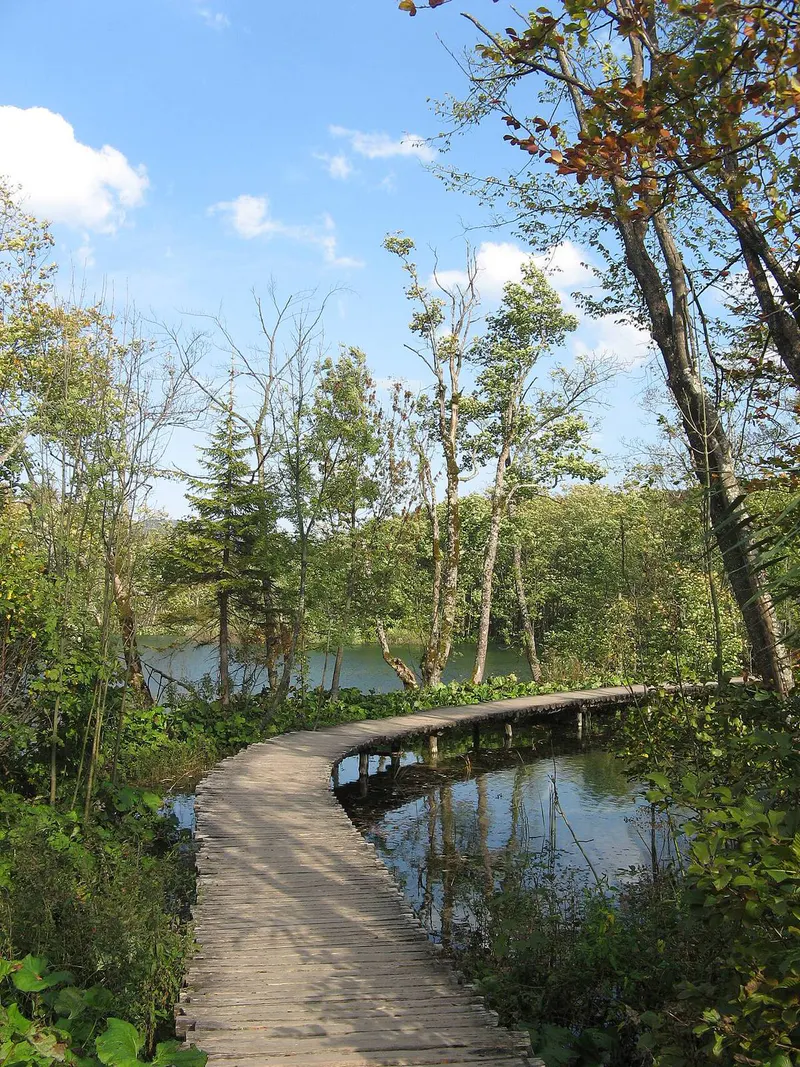
Plitvice Lakes: Waterfalls & Boardwalks in 5 Days
💰 Comfort · approx. $1,350–2,090 (≈ €1,170–1,820), excl. int'l flights
6 Days
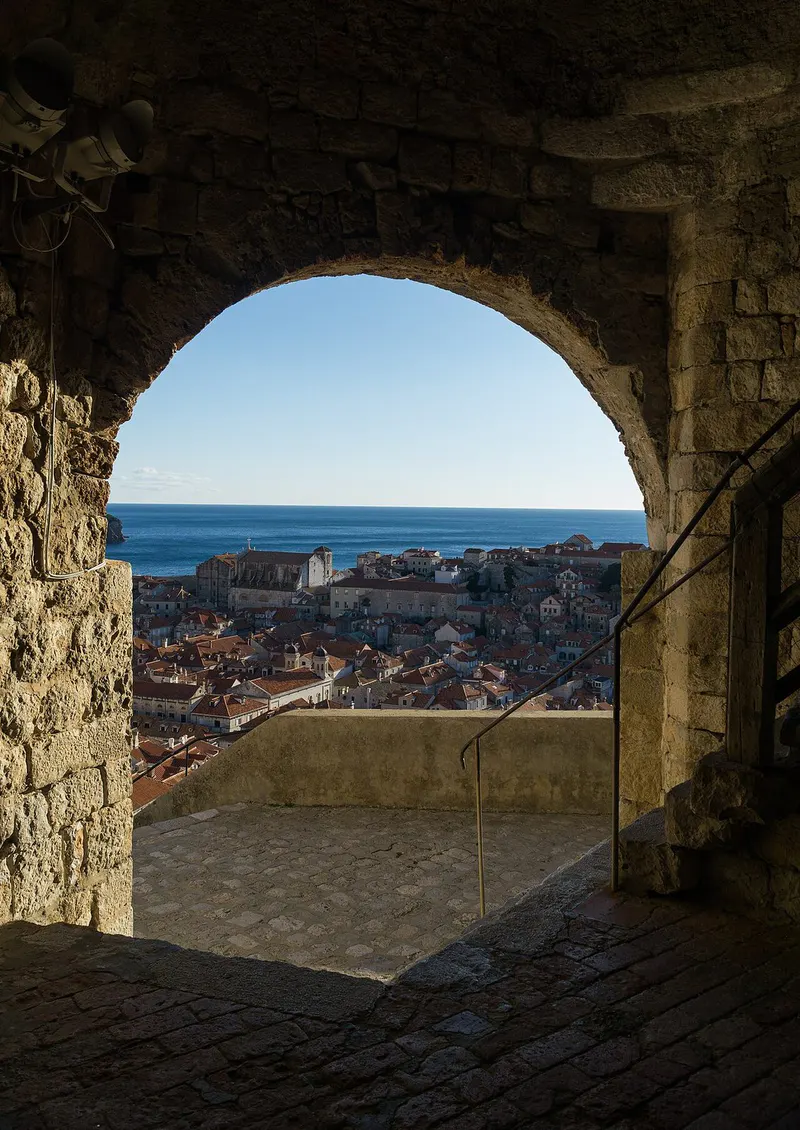
Dubrovnik Game of Thrones Walking Tour: King's Landing in 6 Days
💰 Comfort · approx. $1,790–2,690 (≈ €1,560–2,340), excl. int'l flights
6 Days
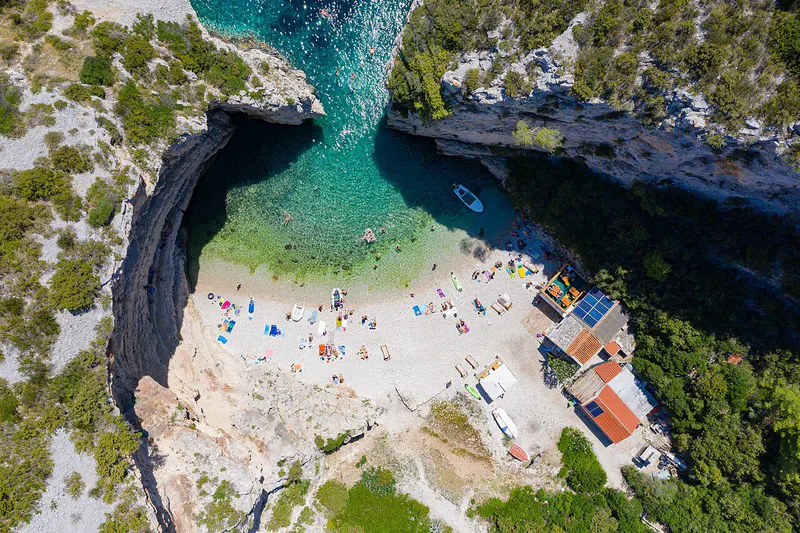
Adriatic Island Hopping: Snorkelling & Kayaking in 6 Days
💰 Comfort · approx. $1,940–2,840 (≈ €1,690–2,470), excl. int'l flights
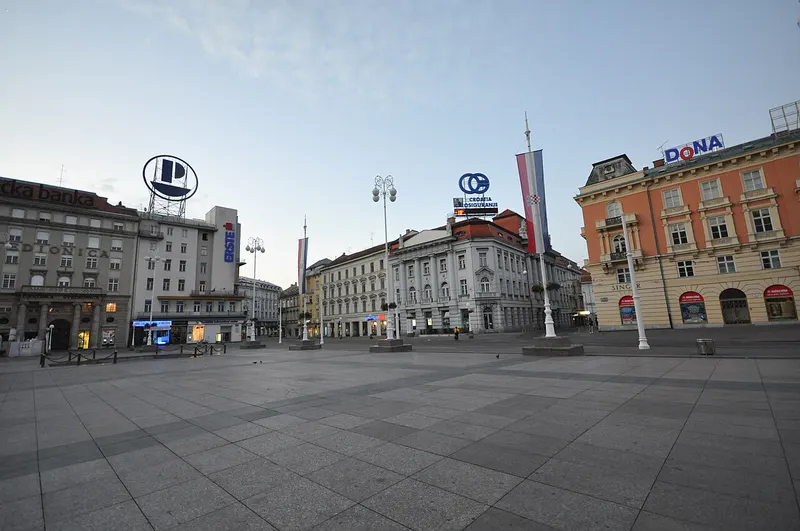
12 Days
Croatian Islands Grand Tour: Zagreb, Plitvice, Split & Dubrovnik in 12 Days
💰 Comfort · approx. $2,990–4,490 (≈ €2,600–3,900), excl. int'l flights
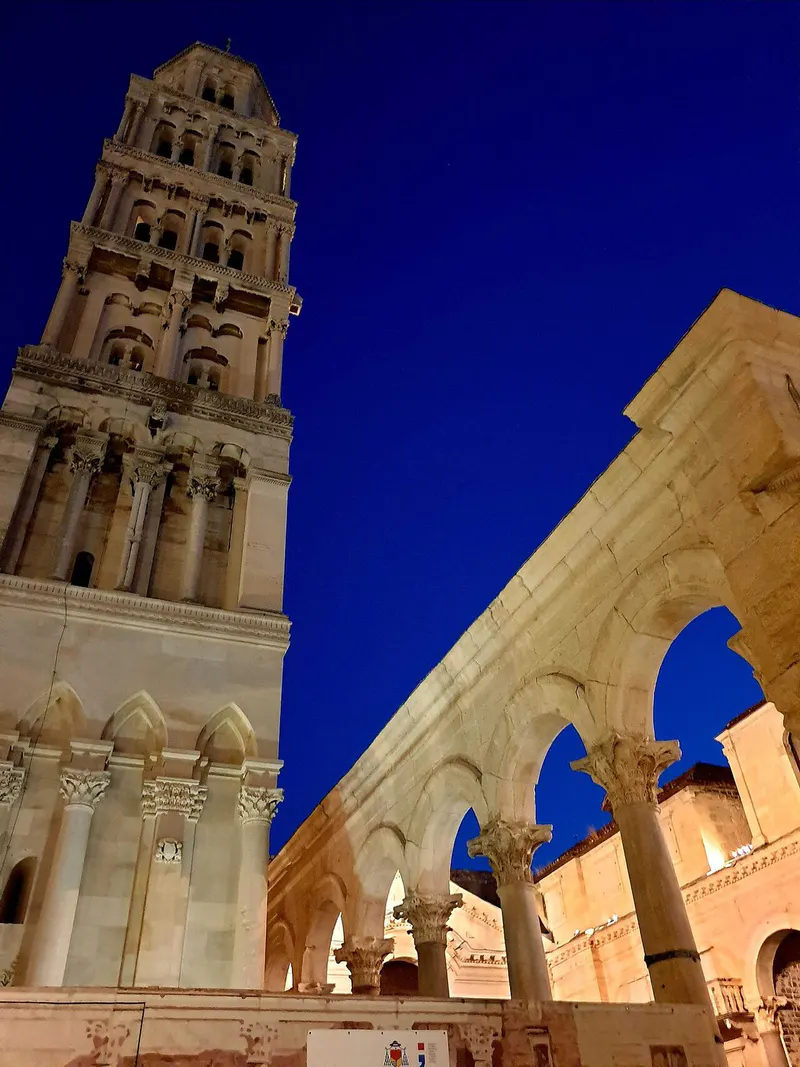
6 Days
Adriatic Honeymoon: Split & Hvar Coast in 6 Days
💰 Comfort · approx. $1,940–2,840 (≈ €1,690–2,470), excl. int'l flights
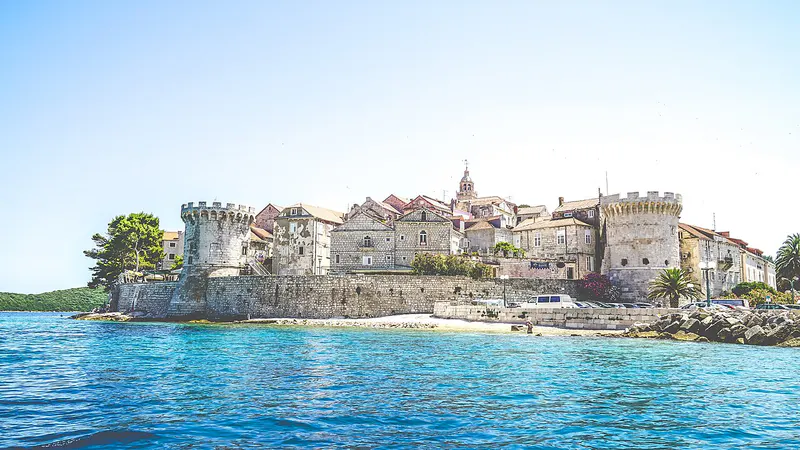
7 Days
Adriatic Island Holiday: Hvar & Korcula in 7 Days
💰 Comfort · approx. $2,240–3,290 (≈ €1,950–2,860), excl. int'l flights
MORE DESTINATIONS
Other Countries in Europe
FAQ
Frequently Asked Questions about Croatia
Travel FAQ
Do I need to book Plitvice Lakes in advance?+
Yes. Entry is timed and sells out in summer. Book on the official park site and choose an early slot to avoid the biggest crowds. (Croatia.hr / Plitvice Lakes official visitor info)
Can I pay by card in Croatia?+
Cards are widely accepted in cities and tourist areas, but some small islands, markets and konobas are cash-only. Carry some euros as backup. (Croatia.hr practical information)
How do Croatian island ferries work?+
Book car ferries and popular passenger routes ahead in summer. Check whether the boat leaves from Split, Dubrovnik or another port, and arrive early. (Croatia.hr transport information)
Is Dubrovnik overcrowded?+
The old town is very busy when cruise ships are in port. Visit early morning or evening, and check the cruise schedule before planning. (Croatia.hr / Dubrovnik tourist board)